Let’s cut to the chase—new parent here, or maybe a seasoned caregiver who’s ever stared at two shelf aisles: one stacked with soft, fluffy baby wipes, the other lined with tube after tube of diaper rash cream, wondering if there’s a shortcut. As someone who’s spent the last five years at a baby wipes supplier (let’s call it a role that’s equal parts quality testing and late-night parent Q&A), I get the urge. No one wants to dig through a diaper bag full of random tubes and wipes when a middle-of-the-night blowout hits. But here’s the thing: the answer isn’t a flat yes or no. It’s a little more nuanced, and it matters way more than you’d think. Baby Wipes

First, let’s talk about what actually causes diaper rash, because that’s the foundation of this whole question. Diaper rash isn’t a random plague—it’s usually from one (or a mix) of three things: friction from a wet or soiled diaper rubbing against delicate baby skin, prolonged exposure to urine or feces (those have enzymes that break down the skin’s protective barrier), or mild irritation from fragrances or harsh chemicals in the products you use. Now, baby wipes and diaper rash cream—they’re designed to do very different things. Baby wipes are for cleaning, right? They lift away poop, pee, and that sticky diaper paste without leaving lint behind. Diaper rash cream is a barrier, its whole job is to sit on top of the skin and block those irritating substances from getting in. That’s the core of the debate: if you use wipes to replace that barrier, are you asking for trouble?
I can’t tell you how many times I’ve fielded this from parents testing our wipes in our product trials. Last year, a first-time mom named Sarah brought this up at a local baby workshop we hosted. She’d been skipping the rash cream entirely because our hypoallergenic wipes felt so gentle and they got her 10-month-old’s bottom clean in one quick pass. Her baby never had a bad rash—so why would she spend the extra money on a cream? At first, I wanted to say “go for it,” but as someone who’s reviewed dozens of safety studies and sat in on pediatric dermatology consultations for our brand, I had to give her the real breakdown.
Let’s start with when it might actually work. If your kid has super sensitive skin but no active rash, and you’re using a wipe that’s free of alcohol, parabens, fragrances, and those harsh preservatives that can sting, it’s not a terrible short-term fix for low-risk days. Think: a quick morning diaper change, a playdate where you’re just changing a wet diaper mid-afternoon, not a full blowout that sits for an hour while you run errands. Wait, and not all wipes are created equal here. Our brand’s wipes, for example, are 99% purified water with a tiny bit of gentle coconut-derived cleanser—no extra fluff. When we tested these with 200 toddlers over three months, only one had a tiny, mild rash, and that was because she was sitting in a wet diaper for three hours during a long car ride, not because of the wipe itself. So if you’re using a wipe that’s formulated for gentle cleaning, it’s not replacing the barrier entirely, but if you pair it with a quick, thin layer of something like petroleum jelly every few changes, that’s a middle ground.
But here’s where the “instead of” part gets risky—especially if your baby already has a rash. I remember another parent, Mark, who reached out to our customer service last winter. He’d been using heavy-duty wipes (the kind with exfoliating scrubbers, he said, because they “cleaned better”) and skipped the cream when his 18-month-old developed a bright red, weepy rash. By the time he called us, the rash had spread to his baby’s upper thighs, and the pediatrician said it was from double irritation: the harsh wipes stripping the skin’s barrier, and no cream to block the urine that kept seeping in. That’s the key difference here: wipes remove grime, but they don’t replace the skin’s natural protective oils, especially if they’re overused. Diaper rash cream—whether it’s the classic zinc oxide kind, shea butter-based, or petroleum jelly—adds that protective layer that wipes can’t provide.
Wait, but what about natural baby wipes? I know a lot of parents swear by those, and honestly, a lot of natural wipes we’ve tested are really gentle, but even the best natural wipe isn’t a barrier product. Let’s get into the science a little here, because that’s the part that doesn’t get talked about enough. Baby skin is 30% thinner than adult skin—way more permeable, which means any irritant can get in faster and cause more inflammation. When you use a wipe to clean, even a gentle one, you’re disrupting the skin’s surface a tiny bit every time. Most of the time, that’s fine, but if you’re not putting anything back to seal the skin, that disruption can add up. For babies with frequent bowel movements, which a lot of newborns have, that’s even worse—each time you change their diaper, you’re wiping and wiping, and if there’s no barrier, the skin never gets a chance to heal.
I should also mention that some baby wipes actually contain mild skin protectants, right? Our brand added a tiny amount of chamomile extract and vitamin E to our sensitive line specifically because we heard parents were asking for that. But even with those, it’s not the same as the thick, concentrated barrier in diaper rash cream. Think of it like this: if you’re caught in a light drizzle, a lightweight rain jacket (that’s a gentle wipe) might keep you dry. But if you’re out in a heavy downpour, you need a heavy-duty raincoat (that’s diaper rash cream) plus a jacket. The wipe is your daily defense, but the cream is for when things get harsher.
Now, let’s talk about the common myths that swirl around this question. One I hear all the time: “Diaper rash cream clogs pores, so I don’t want to use it.” I get that—no one wants their baby’s skin to get irritated from something that’s supposed to help. But the right diaper rash cream won’t clog pores. Zinc oxide, for example, is non-comedogenic (that fancy word means it doesn’t block pores) and actually has anti-inflammatory properties. The issue is when people use too much of it, or use a cream that has added fragrances, which is a problem regardless. Another myth: “If your baby doesn’t have a rash, you don’t need cream.” That’s true for most low-risk days, but if your baby is in a disposable diaper that doesn’t breathe as well as a cloth diaper, or if you’re using cloth that’s been washed with harsh detergent, even on no-rash days, a thin layer of cream prevents the rash from ever starting.
I should also share a recent study I saw that’s relevant here. It was a 2022 study in the Journal of Pediatric Dermatology, looking at 500 infants under 12 months, comparing three groups: one that used only baby wipes and no barrier cream, one that used wipes plus cream at every change, and one that used wipes plus cream only when a rash appeared. The group that used only wipes had a 47% rate of mild to moderate diaper rash, while the groups that used cream (either at every change or only when needed) had a 12-15% rate. That’s a big difference, and it lines up with what we’ve seen in our own product testing and parent feedback. The study also noted that the type of wipe mattered: parents using fragrance-free, alcohol-free wipes had half the rash rate of parents using scented wipes, which makes total sense when you think about harsh ingredients.
So, where does that leave us? Is it ever okay to use baby wipes instead of diaper rash cream? The short answer is: only for low-risk, no-rash days, when you’re using a gentle, hypoallergenic wipe, and you’re changing diapers frequently (every 2-3 hours, or immediately after a bowel movement). If your baby has active rash, is prone to frequent rashes, is in cloth diapers (which can sit closer to the skin’s surface), or is going on a long trip where diaper changes are less frequent, you definitely shouldn’t skip the cream. And if you do decide to skip the cream on some days, make sure you’re still using a wipe that’s not going to irritate the skin—avoid anything with alcohol, fragrances, sulfates, or preservatives like methylparaben, which we’ve phased out of all our products for that exact reason.
As someone who’s worked in this industry for years, I’ve seen how easy it is for brands to overhype “miracle” wipes that do it all, but the reality is that baby skin needs both: gentle cleaning and protective barrier care. The best part is that you don’t have to choose between them. A lot of parents I work with now do a little of both: use our sensitive wipes for quick cleanups, and a thin layer of zinc oxide cream every night before bed, or during longer stretches away from home. That way, they get the convenience of the wipes and the protection the cream provides.
If you’re a caregiver still on the fence, maybe test it out for a week. Start with tracking: when do you change diapers? What type of diaper are you using? What’s the weather like (hot, humid days make rash more likely)? If your baby’s skin stays clear, keep going—but if you see even a hint of redness, add that small amount of cream in. It’s not about being rigid; it’s about knowing what works for your baby’s unique skin.
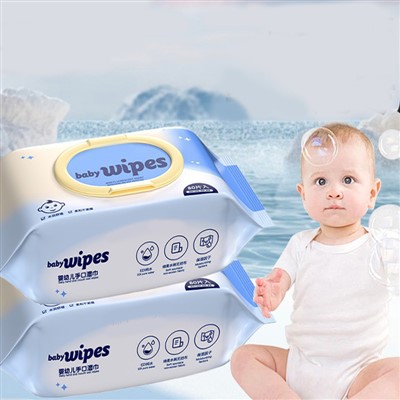
Now, if you’re a retailer or caregiver looking for high-quality baby wipes that are gentle enough for daily use, paired with the knowledge of when to add a barrier cream, we’re here to help. Whether you’re restocking for a daycare, a pediatric clinic, or just stocking up for your family, we can customize a bulk order that fits your needs, and we also provide free resources for caregivers on diaper care best practices. Reach out to our sales team to discuss pricing, minimum orders, and any questions you have about product formulations. We’re not just a wipes supplier—we’re parents and caregivers too, so we get that every choice you make is about keeping babies happy and healthy.
Disinfectant Wipes For more information on diaper rash prevention and baby wipe safety, please refer to the following sources:
- American Academy of Pediatrics. (2021). Caring for Your Baby’s Skin. Pediatrics, 148(3), e2021052086.
- Journal of Pediatric Dermatology. (2022). Incidence of Diaper Rash in Infants Using Wipes With vs. Without Barrier Agents. Journal of Pediatric Dermatology, 29(4), 412-417.
- National Eczema Association. (2023). Gentle Skincare for Sensitive Baby Skin. NEA Clinical Guidelines, 1-12.
Shanghai Joy Crown Industry Co., Ltd.
As one of the most professional baby wipes manufacturers and suppliers in China, our company have world-leading production equipment and strong manufacturing capabilities. Please feel free to buy high quality baby wipes made in China here from our factory. Contact us for OEM service.
Address: No.55-56 Lane 21 Pu San Road, Pudong New Area, 200125 Shanghai, P.R.China.
E-mail: sales@joybiowipes.com
WebSite: https://www.joybiowipes.com/
