Hey everyone, Woven Fabric
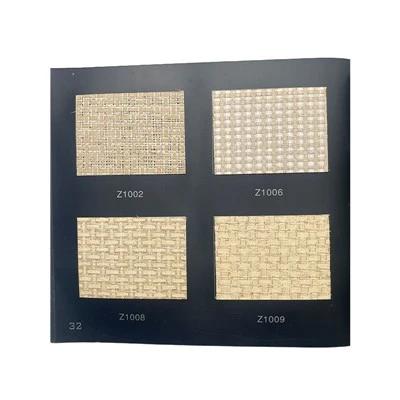
If you’ve ever stood in a clothing store, run your hand over a shirt label that says “100% breathable woven” or grabbed a sports bag that promises to keep sweat from clinging, you’ve probably wondered what makes that fabric different. As a woven fabric supplier, I get asked this question all the time—not just by designers, but also by small business owners and even regular folks hunting for durable, comfortable materials. So let’s break it down, no fancy tech jargon, just real talk about what breathable woven fabric actually is, why it matters, and how we make sure our stock checks every box.
First off, let’s start with basics: woven fabric is made by crossing two sets of yarns at right angles—lengthwise (warp) and crosswise (weft). That crisscross pattern is what gives it structure, unlike knit fabric which loops yarns together, or non-woven which’s just fused fibers. Breathability here isn’t just “air gets through”—it’s a combo of how those yarns are arranged, how porous the gaps are between them, and even what the yarns are made of. Too many people think “breathable = thin,” but that’s not true. A thick woven cotton lawn can be way more breathable than a flimsy synthetic sheet that traps heat.
Here’s the part that’s not obvious: when we talk about breathable woven, we’re usually referring to two types of porosity. There’s macro-porosity—those little gaps between the woven threads that let air flow in and out. And then there’s micro-porosity—spaces within the yarns themselves that can wick moisture away from skin before it turns into sweat, instead of letting it pool on the fabric’s surface. I’ve seen cheap woven fabrics that have big macro-gaps but super tight micro-yarns, so they feel airy but get soaked through in 10 minutes. That’s why we test both at our warehouse before shipping anything out.
Let’s talk common woven types that get the breathable label, because not all are created equal. Cotton is the big one—natural, soft, and its hollow fibers hold tiny air pockets. But not all cotton weaves breathe well. Muslin, a plain weave with loose warp threads, is like a sponge for air. It’s why people love it for summer dresses and swaddle blankets. Then there’s linen—wait, linen is a woven, right? Its fibers are stiffer and naturally more porous, so it’s way more breathable than most cotton, even when it’s a bit heavier. I’ve had clients in the apparel industry pick linen for outdoor work shirts specifically because it doesn’t stick to your back when you’re moving around.
Synthetics get a bad rap for being unbreathable, but modern woven synthetics like polyester or nylon can actually be breathable if woven right. Take ripstop nylon, for example—it’s a tight basket weave with tiny reinforced threads, but the gaps between them are calibrated to let air pass without letting wind through. That’s why it’s used for hiking jackets and athletic bags. We’ve seen a lot of small sports brands switch to our woven polyester blends lately because they don’t have the “plastic bag” feel of old-school sportswear. Even rayon, a semi-synthetic made from wood pulp, woven in a plain weave, is surprisingly breathable—it’s soft, absorbs moisture, and has that nice drape that works for blouses and linings.
Now, what makes a woven fabric not breathable? The main culprits are tight weaves—like sateen, which has long weft threads that lay flat, closing up most of the gaps. That’s why sateen is good for bed sheets that feel silky, but bad for workout clothes. Another one is coated woven fabrics—like canvas with a PVC coating, which is waterproof but traps all that heat. We used to get a lot of orders for coated fabric a few years back, but lately, clients have been asking for coated woven with a breathable membrane instead—thick enough to keep rain out, but porous enough so sweat can escape. That’s a game-changer for outdoor gear.
I should mention something that trips a lot of people up: breathability vs. moisture-wicking. They’re related, but not the same. A woven fabric can be super breathable (air moves through it) but if it doesn’t wick, sweat just sits on the surface and makes you feel damp. For example, a plain weave cotton is breathable, but it takes forever to dry after you get caught in the rain. A woven polyester blend with micro-grooved yarns, though, moves moisture from your skin into the air through those tiny gaps, so it dries fast. That’s why we’re careful to explain both to our customers—they might want breathability for summer, but moisture-wicking for running gear.
As a supplier, we don’t just send out any woven fabric labeled “breathable” and call it a day. We have a simple test in our workshop: if you hold a swatch up to a light and can see the gaps clearly, it’s a good start. But we also check what’s called the “moisture vapor transmission rate” (MVTR)—that’s basically how much moisture passes through the fabric over a certain time. A high MVTR means it’s great for active use. For casual wear, a medium MVTR is usually enough, since people aren’t sweating as much.
We’ve learned a lot over the years about what works for different industries. For custom tote bags, customers love a 10oz plain woven cotton that’s breathable enough to let things air out (no more smelly gym gear left in a bag!). For children’s clothing, we use a lightweight woven muslin blend because it’s soft, breathable, and doesn’t irritate sensitive skin. For workwear, we carry a mid-weight woven polyester-cotton blend that’s durable but still lets air flow through—perfect for construction or landscaping crews.
One mistake a lot of new apparel makers make is skimping on weave density to save money. They go for a super thin woven fabric thinking it’s more breathable, but it’s often too flimsy, rips easily, and doesn’t hold its shape. We had a startup clothing brand come to us a year ago—they’d been ordering cheap woven fabric from a overseas supplier, and their shirts were falling apart after two washes. We switched them to a medium-density plain weave cotton, and they’ve been a repeat customer ever since because it’s both breathable and long-lasting.
Another big trend lately is recycled woven fabrics that are breathable. A lot of our customers care about sustainability now, so we stock woven recycled polyester (made from plastic bottles) and woven recycled cotton that’s still breathable, even though it’s eco-friendly. It’s not just a buzzword—recycled woven fabrics can have similar MVTR rates to virgin ones, and we’ve had eco-brands tell us their customers will pay more for that.
Wait, let’s address a common myth: woven fabric is always less stretchy than knit fabric, but that doesn’t mean it’s less comfortable. A lot of breathable woven fabrics have a tiny percentage of spandex woven into the weft, so they have a little give—great for leggings or activewear bottoms. I tried a pair of woven spandex-blend running shorts last month, and they were way more breathable than my old knit ones, no clinging at all. That’s a combo we don’t see enough of, so we’ve been pushing that blend lately.
So why does all this matter to you, whether you’re a designer, a small business owner, or just someone shopping for clothes? Breathable woven fabric isn’t just about comfort—it’s about function. If you’re making outdoor gear, a breathable woven jacket means your customers don’t overheat on a hike. If you’re making summer clothing, a breathable woven dress means they won’t feel sticky at a picnic. And as a supplier, our job is to know the difference between a fabric that looks breathable and one that is breathable, so you don’t waste time or money on something that doesn’t live up to the label.
At the end of the day, the best breathable woven fabric is the one that fits your specific needs. If you’re not sure what weave or fiber is right for your project, just reach out—we’ve helped hundreds of clients pick the right fabric, from small batch designers to large-scale retailers. We can send swatches, explain the MVTR, even customize a weave if you need something specific. No sales pitch, just straight talk about what works.
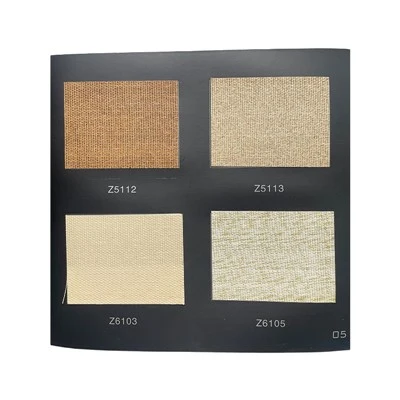
If you’re looking for a reliable woven fabric supplier that actually knows their stuff, don’t hesitate to get in touch. We’re here to answer questions, share what we’ve learned over the years, and help you find the perfect breathable woven fabric for your next project.
PP Woven Fabric References
- "Textile Fibers: Properties and Performance," 7th Edition, The Textile Institute, 2021.
- "Breathability and Moisture Management in Woven Fabrics," Journal of Industrial Textiles, vol. 48, no. 3, 2018, pp. 452-471.
- "Sustainable Woven Fabrics: Production and Applications," Textile Research Journal, vol. 90, no. 11-12, 2020, pp. 1289-1305.
Nanping Kingway New Material Co., Ltd.
As one of the most professional woven fabric manufacturers and suppliers in China, we also support customized service. With abundant experience, we warmly welcome you to wholesale durable woven fabric in stock here from our factory. If you have any enquiry about pricelist, please feel free to email us.
Address: No.10, Chengnan Branch Road, Chengjiao Town, Nanping, Fujian, China.
E-mail: npjwxcl@aliyun.com
WebSite: https://www.suernew.com/
