If you’ve ever walked through a food and beverage manufacturing facility, you’d have noticed that most production lines run nearly nonstop—especially tea bag packaging machines, which are the unsung workhorses of any tea brand. As someone who’s spent 12 years selling, installing, and maintaining these machines for a global packaging supply company, one question comes up more often than you’d expect: “Do tea bag packaging machines require lubrication?” It’s a simple question, but the answer isn’t as straightforward as it seems. Let’s break this down with the kind of on-the-ground, real-world insight you won’t find in generic machine manuals. Tea Bag Packaging Machine
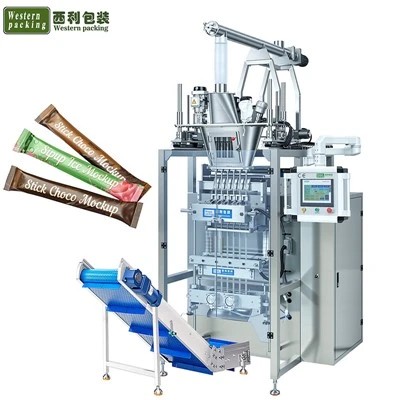
First, let’s ground this in how tea bag packaging machines actually work. Most modern high-speed models—like the vertical form-fill-seal (VFFS) machines common for tea bags—operate at 100 to 400 cycles per minute. They pull thin paper filter material off a roll, form it into a tube, seal the bottom, fill it with measured quantities of tea leaves (or herbs, fruit blends, etc.), seal the top, cut individual tea bags, and often attach tags or strings. That’s a lot of moving parts: gears, bearings, chains, cams, sealing rollers, and the feed mechanism for filter paper. All these parts are in constant contact, spinning, sliding, or rolling against each other for days, weeks, and even months at a time without a full shutdown.
Without proper lubrication, friction between these parts would cause rapid wear. Imagine trying to turn a rusty bike chain at 300 cycles a minute—you’d break it or strip the gears in days. The same logic applies to tea bag packaging machines. But here’s the catch: not all lubrication is created equal, and getting it wrong can cause more problems than skipping it entirely. That’s why my team and I spend the first 90 days with every new client walking them through their machine’s specific lubrication requirements, not just as a “rule” but as a core part of production reliability.
Let’s start with why lubrication is non-negotiable for these machines. The three biggest benefits we see on the floor are:
Reduced wear and tear: High-speed machines produce heat, and that heat accelerates metal fatigue. For example, the cams that control the sealing and cutting of tea bags move hundreds of times a minute. If these cams aren’t lubricated, the metal will grind against itself, creating metal shavings. Those shavings are a disaster for tea production—they can contaminate batches, clog the fill mechanism, or damage the sealing rollers enough to make bags leak. We’ve had at least three clients in the last two years shut down a line for 12 hours because unlubricated cam parts shed metal, leading to a $50,000 loss in production alone, not to mention the cost of cleaning and replacing parts.
Energy efficiency: Friction doesn’t just wear parts out—it wastes energy. A properly lubricated machine uses 15-20% less power than one that’s under-lubricated, according to data from the packaging machinery trade association. For a plant running three shifts a day, that adds up to thousands of dollars a year in utility costs. One client in Colombia told us after we optimized their lubrication schedule, their monthly electricity bill for the packaging line dropped by $1,200—enough to cover a year’s worth of lubricant and still have extra.
Consistent product quality: Tea brands live or die by a tight margin of error. If a seal is too weak, the tea bag breaks during brewing; if it’s too strong, the string or tag pulls off. Lubrication ensures that the cams and rollers move at a consistent speed every cycle, so seals and cuts are uniform. We once worked with a specialty tea brand that was seeing a 8% reject rate on their tea bags because the cutting mechanism was misaligning the filter paper. The root cause? The chain driving the cutter had dried up, so it was stretching slightly during high cycles, leading to off-center cuts. After relubricating the chain and adjusting the schedule, the reject rate dropped to 0.5%—a massive improvement for a small-batch brand that relies on every bag to be perfect.
But wait—this is where the nuance comes in, because many new operators ask: “What about food safety?” That’s a valid concern. Tea is a consumable, so any lubricant that comes into contact with tea leaves, filter paper, or the final tea bag has to meet strict standards. Regular motor oil or general-purpose grease is off-limits here. We only recommend food-grade lubricants that are certified for incidental food contact, like H1 or H2 lubricants from the National Sanitation Foundation (NSF). H1 lubricants are designed to come into accidental contact with food, which is exactly what happens when a machine’s moving parts are near the tea fill. H2 lubricants are for parts that don’t touch the product, like the exterior frame or the drive chain. We always emphasize this to clients because using the wrong lubricant can lead to product recalls, which are far more costly than the lubricant itself. For example, a mid-sized tea brand in India had to recall 2 million tea bags in 2021 because they used non-food-grade lubricant, which left a rancid taste in some batches. That mistake cost them over $200,000 in recalls, lost customer trust, and regulatory fines—all because they skipped the step of using the right lubricant.
Another common misconception is that “more lubrication is better.” I’ve seen clients douse their chains and gears in grease every day, thinking it will protect the machine. But over-lubrication is just as bad as under-lubrication. Excess grease can build up on parts, attract dust, tea leaf fines, and other debris, which then acts like an abrasive and wears parts out faster. It can also get onto the filter paper, leading to stains or contaminants on the tea bags. We’ve developed a custom lubrication schedule for every machine we sell, based on its speed, the operating environment, and the type of tea being packaged. For a high-speed VFFS machine running black tea at 350 cycles a minute, we recommend lubricating the drive chain every 40 hours of operation, the cam mechanisms every 80 hours, and the sealing rollers every 20 hours. For slower, smaller machines for specialty tea blends, the schedule is less frequent—usually every 100 hours for chains, every 200 hours for cams. We also tell clients to wipe off any excess lubricant immediately after applying it, to prevent debris buildup.
What about older machines, the ones that are still running 15, 20 years after installation? A lot of our clients have aging lines, and they often ask if lubrication is still necessary. The short answer is yes—even older machines need regular lubrication, in fact, they might need it more often because their parts are already worn, so friction is higher. We worked with a small family-owned tea estate in Kenya that had a 20-year-old tea bag machine that was breaking down every other week. We went in, cleaned all the old, hardened grease out of the gears, relubricated with food-grade grease according to the schedule, and adjusted the tension on the chains. After that, the machine ran for 6 weeks without a single breakdown, and the reject rate dropped from 5% to 1%. The estate saved about $8,000 a month in repair costs and lost production—enough to justify the service call in less than a month.
There are also parts of tea bag packaging machines that don’t require lubrication at all, and that’s another point we make clear. The bearings for the filter paper roll, for example, are often sealed pre-lubricated by the manufacturer, so adding grease will cause over-lubrication and damage the seal. The cutting knife assembly on some modern machines is self-lubricating, so no additional lubrication is needed. We always train clients to check their machine’s operation manual for “no-lubrication” parts, and we mark these parts on the machine during installation to avoid mistakes.
Now, let’s talk about how to implement a good lubrication program, because it’s not just about adding grease. Our team helps clients build a lubrication log that tracks when each part was lubricated, what type of lubricant was used, and any issues that came up after lubrication. This log helps identify trends—if a certain chain is needing lubrication every 30 hours instead of 40, that might be a sign the chain is stretched or a bearing is going bad, so we can fix it before it breaks. We also recommend that clients have a dedicated maintenance person in charge of lubrication, because it’s a task that’s easy to delegate but easy to neglect if it’s not assigned to someone.
At the end of the day, the answer to “Do tea bag packaging machines require lubrication?” is a resounding yes—but only if it’s done correctly. Skipping it leads to breakdowns, high reject rates, and lost profit. Using the wrong lubricant leads to product contamination and recalls. Over-lubricating leads to debris buildup and faster wear. The sweet spot is a tailored, consistent schedule with food-grade lubricants, and that’s exactly what we help our clients implement.
If you’re running a tea packaging line, whether it’s a small specialty operation or a large commercial plant, and you’re looking to optimize your machine’s performance, reduce downtime, and cut production costs, our team has the expertise to help. We’ve worked with hundreds of tea brands across the world, from startup blends to established multinational names, to build lubrication programs that keep their lines running smoothly for years. Reach out to our team today to discuss your machine’s specific needs and how we can help you get the most out of your tea bag packaging equipment.
Cartoning Machine References
- National Sanitation Foundation. (2022). Food-Grade Lubricants for Manufacturing Equipment. Food and Beverage Safety Association.
- International Packaging Machinery Association. (2021). Cost of Unplanned Downtime in High-Speed Packaging Lines. Industrial Machinery Journal.
- Tea Association of the USA. (2020). Quality Control Standards for Tea Packaging and Processing. Specialty Food Industry Report.
- Maintenance and Reliability Center. (2019). Lubrication Best Practices for High-Cycle Manufacturing Equipment. University of Manufacturing Engineering.
Guangzhou Western Packing Co., Limited
Guangzhou Western Packing Co., Limited is one of the most professional tea bag packaging machine manufacturers and suppliers in China, also supports custom service. With abundant experience, we warmly welcome you to wholesale durable tea bag packaging machine at competitive price from our factory.
Address: No.3, Yilong street, Wulonggang, Zhongluotan Twon, Baiyun District, Guangzhou
E-mail: david@westernpacking.com
WebSite: https://www.westernpackingusa.com/
