If you’ve ever run your hands over a soft cashmere sweater or wrapped yourself in a cashmere scarf, you know there’s nothing quite like that luxe, cloud-like feel. As a cashmere yarn supplier, I get why so many small boutique knitters, indie dyers, and even big fashion brands reach for it first. But over the years I’ve been in this game—traveling to goat farms, testing dozens of batches, chatting with customers who love my yarn, and hearing their frustrations first-hand—I’ve learned that cashmere isn’t all rainbows and cashmere socks. It has some major downsides that a lot of new folks (and even some seasoned ones) don’t talk about openly. Today I want to pull back the curtain, be real about the stuff no one posts on Instagram, and maybe save you some headaches if you’re thinking about working with it. Cashmere Yarn
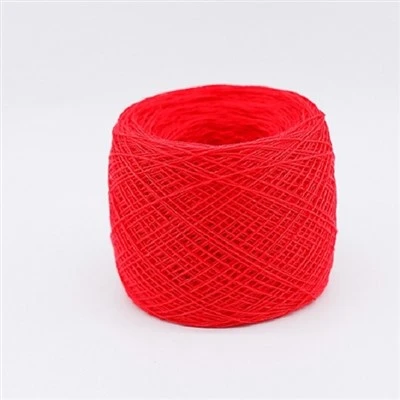
First off, let’s get one thing straight: cashmere comes from specific goats—mostly Capra hircus goats raised in places like Inner Mongolia, Mongolia, Afghanistan, and parts of Iran. These goats grow a fine, downy undercoat to survive harsh winters, and that’s what we turn into yarn. But that means it’s not a renewable resource you can crank out of a factory on demand, and that scarcity leads to some real issues. For starters, cost is a massive one. I’m not talking “a little pricier” than acrylic or even merino wool—this is the kind of thing that’ll make you hesitate when you’re pricing out a sweater kit for your customers. Last year, a pound of grade A cashmere down went for almost $20 more than it did in 2021. Why? A mix of factors: droughts in major producing regions killed off some goat herds, stricter regulations on grazing to prevent desertification made it harder for herders to collect the fiber, and there’s a huge demand boom from fast fashion brands that hoard cashmere to make their “luxury” lines every season. I’ve had a long-time knitter client who switched to my mid-grade cashmere yarn from a cheaper bulk supplier a couple years back, and she told me she had to raise her sweater prices by $35 just to keep her profit margins steady. A lot of casual knitters don’t realize that cashmere isn’t a “budget luxury”—it’s an investment, and one that’s only getting more expensive.
Then there’s the thing about its fragility. Cashmere fibers are super fine—like, half the diameter of a human hair, usually—so they’re way more delicate than other yarns. When I first started selling cashmere, I had no idea how many people would message me panicking because their hand-knit scarf started pilling after two wears. Pilling is basically those little fuzzy balls that pop up on fabric when fibers rub against each other, and cashmere is a major culprit because its fine structure breaks down easily. It’s not just pilling, either—cashmere yarn is prone to stretching out of shape if you’re not careful with it. I once got an email from a small boutique that ordered 50 skeins of my premium cashmere for a collection, and half the sweaters they finished were too big after the first wash. Why? Because a lot of new knitters (even some who’ve been knitting for years) don’t realize that you can’t wash cashmere in hot water, you can’t wring it out, and you can’t tumble dry it. Even if you follow the instructions, sometimes the natural elasticity of the fiber just gives way over time. I’ve had to replace a few skeins for customers who messed up their first project, which cuts into my own profits, but more importantly, it’s frustrating when people blame the yarn instead of their own care routine. That fragility also means it’s not great for high-use items—think kids’ sweaters, dog sweaters, or anything that’s going to be worn and washed all the time. It’s way too soft for rough and tumble, so if you’re making something that’s going to get a lot of wear, cashmere might not hold up as long as you want.
Another big one is sustainability and ethical issues—wait, hold on, I know a lot of people talk about cashmere being “sustainable” because it’s natural, but that’s not always the case, and it’s something I see a lot of suppliers brushing under the rug. Let’s talk about the grazing practices first. In places like Mongolia, overgrazing by goats (including cashmere goats) has led to massive desertification—like, the Gobi Desert has expanded by thousands of square miles in the last 20 years partly because of too many goats eating the grass down to the roots. Herders often have to move their herds constantly, which adds to the cost of collecting cashmere, and some of the smaller herders don’t have the resources to follow sustainable grazing rules. Then there’s the labor side. I’ve visited a couple of small herder co-ops in Inner Mongolia, and while most are fair-trade certified, I’ve heard horror stories from competitors about factories that use child labor to sort cashmere, or pay herders barely enough to get by. Even beyond that, the process of processing cashmere is pretty harsh. To turn that raw downy fiber into yarn, you have to wash it with harsh chemicals to get rid of lanolin, dirt, and debris, and then card and spin it. Those chemicals can be bad for the environment if they’re not disposed of properly, and some small processors don’t have the equipment to handle that waste. I only work with processors that use eco-friendly detergents and have zero-waste policies, but that’s another reason my cashmere yarn costs more—those sustainability practices add up.
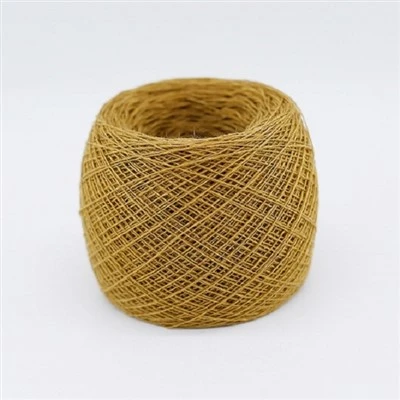
Wait, and let’s not forget about the color range and consistency. A lot of people think cashmere is super versatile when it comes to colors, but raw cashmere only comes in natural tones: white, cream, gray, brown, and black. To get those bright neons, pastels, or deep jewel tones everyone wants, you have to dye it, and cashmere is a pretty finicky fiber when it comes to dyeing. It takes dye differently than wool—you have to use specific types of dye, and if you don’t get the temperature or the pH levels right, you get uneven color, or the dye fades really fast. I’ve had a customer send back a whole batch of dyed cashmere yarn because the pink skein faded after one wash, and that’s not something you see with, say, acrylic yarn. Also, cashmere’s natural quality varies a lot from goat to goat, and from region to region. One batch of cashmere might be softer than the last because the goats had a better growing season, or the herders collected the fiber at a different time of year (cashmere collected in spring when goats shed is softer than fiber collected in winter). That inconsistency can be a huge problem for brands that need to make a dozen identical sweaters for a collection—if your yarn batches vary too much, your finished products will look different, and that’s a big no-no for consistency.
Oh, and let’s talk about allergies, because this is something almost no one brings up. A lot of people assume cashmere is hypoallergenic because it’s so soft, but that’s not true for everyone. The lanolin in cashmere (even after it’s processed) can irritate sensitive skin, and some people have reactions to the fine fibers themselves. I’ve had more than one customer tell me that they can wear merino wool fine, but cashmere gives them an itchy neck. That’s a bummer, because cashmere is supposed to be the “no itch” alternative, but it just doesn’t work for some folks. And if you’re selling to a wide range of customers, that’s a potential downside—you might lose people who can’t handle cashmere’s properties.
Now, before you think I’m bashing my own product—hold up. I’ve been a cashmere yarn supplier for over 8 years, and I sell a lot of it, because when it’s good, it’s unbeatable. A soft cashmere sweater that’s been cared for properly will last decades, it keeps you warmer than wool without being heavy, and it feels like a hug. But ignoring the downsides does no one any favors: it sets customers up for frustration, it’s bad for the industry, and it’s not honest. If you’re a knitter or a small brand considering working with cashmere, you need to know these things before you place an order.
Here’s the thing: as a supplier, I work hard to mitigate these downsides as much as I can. I partner with herder co-ops that follow sustainable grazing practices, I test every batch of cashmere for consistency and color fastness, I offer different grades of cashmere so you can pick what works for your budget, and I provide super clear care instructions to my customers to avoid pilling and stretching. I also only sell cashmere that’s cruelty-free—no goats are harmed to get the fiber, it’s collected during the natural shedding season. But I can’t lie to you: cashmere isn’t perfect. It’s expensive, it’s fragile, it has ethical and environmental pitfalls if you’re not careful, it’s tricky to dye consistently, and it’s not for everyone’s skin.
If you’re tired of working with yarn that pills after two uses, or you’re looking for a premium option that’s actually transparent about its practices, hit me up. I don’t do pushy sales pitches— I’ll tell you straight up if cashmere is right for your project, or if you’d be better off with merino wool or a blend. I can send you free sample skeins so you can test the consistency, or walk you through care tips to make your projects last. No fine print, no hidden costs, just real talk about cashmere yarn and what you can expect when you work with it.
Fancy Yarn References:
- The Cashmere & Camel Hair Institute. (2022). Global Cashmere Supply Chain Report.
- Mongolian Ministry of Environment and Tourism. (2021). Grazing Practices and Desertification in the Gobi Region.
- Textile Institute. (2020). Properties and Performance of Fine Animal Fibers.
- Fair Trade USA. (2023). Ethical Sourcing Practices for Cashmere Production.
Huangshan Aotai Textile Co., Ltd.
As one of the most professional cashmere yarn manufacturers and suppliers in China, we’re featured by quality products and good service. Please rest assured to wholesale bulk premium cashmere yarn in stock here and get quotation from our factory. We also accept customized orders.
Address: Development Zone, Bei’an Town, She County, Huangshan City, Anhui Province
E-mail: aotaifangzhi2007@163.com
WebSite: https://www.cn-aotai.com/
