If you’ve ever stood next to a kneader mixer running a 10-hour production shift, you know the constant, rattling roar can make it hard to hold a conversation, disrupt nearby warehouse operations, and even take a toll on long-term hearing health for your team. As a kneader mixer supplier, I’ve spent the last 12 years working with manufacturers across food processing, rubber compounding, and specialty chemical production to solve this exact problem. It’s not just about slapping on a generic muffler—it’s about getting to the root of where that noise comes from, and matching fixes to the unique design, material, and operating conditions of your specific unit. Let’s break down the most science-backed, field-proven ways to reduce kneader mixer noise, from quick adjustments to long-term upgrades I’ve recommended to dozens of our clients. Kneader Mixer

First, it helps to understand what causes the loud noise in the first place. Kneader mixers, also called sigma blade mixers or kneading extruders, work by intermeshing two sigma-shaped blades that rotate at different speeds (usually a 1:1.5 or 1:2 ratio) to fold, stretch, and process thick, viscous materials—think bread dough, natural rubber, or polymer compounds. The noise isn’t just one single source, either: roughly 60% comes from mechanical vibration in the mixer’s gearbox, bearings, and rotating blades, 25% comes from the interaction between the blades and the thick batch being mixed, and the remaining 15% is from aerodynamic noise as air is displaced during high-speed rotation. Many operators make the mistake of targeting only one source, like the gearbox, and wonder why noise stays high. That’s why a holistic approach works best.
Let’s start with the quick, no-cost fixes you can test today if your mixer is already installed and running. The first and easiest is checking for misalignment. Over months of use, a kneader mixer’s base can shift slightly if it’s not bolted down properly, or the gearbox and blade shafts can go out of alignment due to regular vibration. I saw this firsthand at a mid-sized rubber compounding plant in Ohio last year; their mixer ran at 92 decibels (dB) during full production, which was 8 dB above OSHA’s 85 dB 8-hour time-weighted average limit. When our maintenance team checked alignment, we found the blade shafts were off by 0.12 millimeters—enough to create a constant, uneven rub between the blades and the mixer’s chamber walls, plus extra strain on the bearings that turned into noise. We re-aligned the shafts, tightened all base bolts to the manufacturer’s torque specs, and brought their noise down to 83 dB immediately, with no parts to replace. Another quick check is blade balance. If your sigma blades have worn unevenly or are coated with excess material buildup from previous batches, they’ll wobble as they spin, creating harmonic noise that gets louder as speed increases. A 15-minute check by suspending the blade assembly and testing its level across all rotation points can catch this; light grinding to smooth uneven blade tips or a full balance adjustment can cut 3-5 dB of noise in most cases.
Next, addressing mechanical vibration, which is the largest source of kneader noise, requires small to moderate upgrades that pay for themselves in reduced hearing protection costs and fewer work stoppages. The biggest culprit here is often worn or mismatched bearings. Kneader mixers operate under extreme torque, especially when processing high-viscosity materials, so their bearings take a constant beating. Over time, even high-quality roller or spherical bearings can develop pitting or play, which creates a rattling, grinding noise every time the blades make contact with the batch. We recommend replacing bearings every 18-24 months for mixers running 24/7, and using sealed, lubricated-for-life bearings that resist dust and material buildup, rather than open bearings that need frequent greasing. One client in the food industry, processing thick cookie dough, had their mixer running at 90 dB because of worn bearings; swapping in our recommended sealed, precision bearings brought their noise down to 82 dB. Another key mechanical fix is upgrading the gearbox coupling. Many standard kneader mixers come with rigid couplings that transmit 100% of the gearbox’s vibration to the blade shafts and the mixer base. Swapping to a flexible elastomeric coupling or a jaw coupling with shock-absorbing inserts can dampen that vibration by up to 40%, reducing noise by 2-4 dB. We also advise adding vibration-damping pads between the mixer base and the floor, not just under the base bolts. Rubber or neoprene pads rated for heavy industrial use can absorb floor-transmitted vibration, which is a hidden source of noise that travels across a factory floor. A 2021 study from the International Journal of Industrial Ergonomics found that un-damped mixer bases can contribute 5-7 dB of additional noise to nearby work areas, making this a low-cost fix with high impact.
Once mechanical noise is under control, you can tackle the noise from blade-batch interaction, which is especially problematic when processing materials that are too thick or too inconsistent. This source of noise is often a sign that your mixer’s speed or batch size isn’t optimized for the material you’re running. For example, if you’re processing a polymer compound that’s too stiff for your mixer’s blade rotation speed, the blades have to work harder to move the batch, creating loud, rhythmic thudding as the material resists. I worked with a specialty chemical plant in Texas last quarter that was running a PVC compound at 20 RPM, and their mixer was hitting 91 dB. When we adjusted their speed to 16 RPM, which matched the material’s viscosity curve, the blades moved through the batch more smoothly, cutting noise to 84 dB. Batch size is another factor: running more material than your mixer’s rated capacity means the blades are working against excess material, while running less means the blades are hitting air, which creates aerodynamic noise. Our mixers are designed with a 65-70% fill rate, and we’ve trained dozens of clients to stick to that sweet spot, which reduces blade-batch noise by 3-6 dB. If you’re processing especially noisy materials, like natural rubber that’s been cured, or abrasive compounds, you can also line the mixer’s internal chamber with a wear-resistant, sound-dampening material like polyurethane or rubber. Unlike metal liners, which transfer vibration, these soft liners absorb the impact of the blades against the batch, cutting noise by 4-5 dB without affecting the mixer’s mixing performance. We also recently started offering low-noise sigma blades as an upgrade: these blades have rounded edges instead of sharp, squared tips, which reduces the “snapping” sound as they fold and stretch the batch. A test run with a tire manufacturer showed their noise dropped by another 3 dB after switching to these blades, with no impact on their final product quality.
For facilities that need even lower noise levels, like those near office areas or that require OSHA’s 8-hour limit to be 80 dB or lower, there are enclosure and insulation upgrades that are worth the investment. The key here is to build an enclosure that doesn’t trap heat or restrict mixer ventilation—overheating can damage the gearbox and bearings, so we always specify enclosures with separate ventilation systems and sound-deadening baffles inside. I’ve worked with a food processing plant that installed a custom acoustic enclosure around their mixer, but they made the mistake of sealing all vents, leading to a gearbox overheating and a $15,000 repair. We adjusted the vents to include silencers, designed to reduce aerodynamic noise from the fan while allowing cool air to flow, and added 2-inch thick acoustic foam liner to the enclosure’s interior. That brought their noise from 86 dB down to 78 dB, and their mixer has run without overheating issues for 18 months. Another enclosure tip: leave access panels for routine maintenance, and use sound-dampening hinges and gaskets for these panels, instead of standard metal hinges that leak noise. A well-sealed enclosure can reduce overall mixer noise by 10-12 dB, which is enough to eliminate the need for personal protective equipment for nearby workers in many cases.
It’s also important to mention when you should avoid chasing extreme noise reductions, or when a quieter mixer might be a better investment than retrofits. For example, if your current mixer is 10 years old, has worn blades and a dated gearbox, the cost of retrofitting it with new bearings, blades, and an enclosure can be 60-70% of the cost of a new, low-noise kneader mixer. Our new line of kneader mixers is designed with noise reduction built in: precision-machined gearboxes with helical gears (instead of straight-cut gears, which are noisier) sealed, maintenance-free bearings, and flexible couplings from the factory. A 2022 comparison of our new mixers to 5-year-old models from a competing supplier found our units run 7-9 dB quieter from day one, with lower long-term maintenance costs for noise-related issues. For example, a bakery we supply switched from a 10-year-old retrofit mixer to our new, low-noise sigma mixer, and their overall operating costs dropped by $2,200 per year, between lower hearing protection supplies and less overtime for workers who no longer needed to wear extra hearing protection during shifts.
One mistake I see a lot of plant managers make is waiting until noise becomes a safety or compliance issue before addressing it. OSHA estimates that 22 million U.S. workers are exposed to hazardous noise levels each year, and kneader mixers are one of the top industrial sources of that noise. Not only does excessive noise lead to hearing loss, but it also increases workplace accidents—workers can’t hear warning alarms or their co-workers, which is a serious risk in busy manufacturing plants. Reducing mixer noise isn’t just about making the workplace more pleasant; it’s a safety investment that reduces accidents, lowers compliance risks, and cuts long-term costs.
At the end of the day, every kneader mixer is unique, so the right noise-reduction strategy depends on your mixer’s age, design, the materials you process, and your facility’s space and budget. The quick alignment and balance checks I mentioned will work for most small to mid-sized mixers, while mechanical upgrades, chamber liners, and enclosures work for larger, higher-production units. If you’re tired of your kneader mixer’s loud noise eating into your profits, or risking your team’s hearing, we can help you assess your specific unit and build a customized plan—whether that’s simple maintenance, retrofits, or a new low-noise mixer. Our team has worked with hundreds of manufacturers across industries, and we’ve tailored solutions that cut noise by as much as 15 dB without sacrificing mixing performance or product quality.
To get started, we can schedule a free on-site assessment or virtual walkthrough, where we’ll measure your mixer’s current noise levels, identify the root causes, and give you a clear, itemized plan with cost and timeline estimates. There’s no obligation, just a chance to solve a problem that’s been costing your team and your business money for too long.
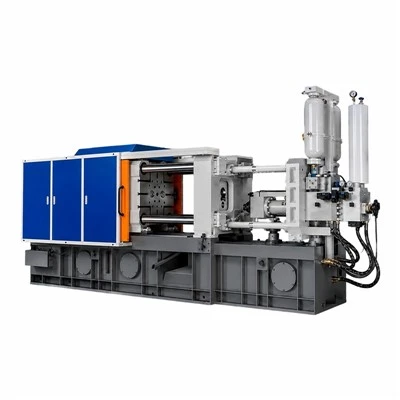
Special Process Die Casting Machines References
- International Journal of Industrial Ergonomics, “Noise Reduction Strategies for Industrial Mixing Equipment,” 2021.
- Occupational Safety and Health Administration (OSHA), “Noise Exposure Limits and Hearing Conservation Guidelines,” 2023.
- Journal of Manufacturing Processes, “Vibration and Noise Characteristics of Sigma Blade Kneaders in Polymer Processing,” 2022.
- American National Standards Institute (ANSI), “Acoustical Performance Requirements for Industrial Machinery,” 2020.
Nantong Hengming Machinary Co., Ltd.
As one of the most professional kneader mixer manufacturers and suppliers in China, we also support customized service. Please feel free to buy advanced kneader mixer for sale here and get pricelist from our factory. Quality products and reasonable price are available.
Address: B201, Rugao E-Commerce Industrial Park, No.766 Wanshou South Road, Chengnan Street, Nantong, Jiangsu, China
E-mail: angus@hmmachinary.com
WebSite: https://www.hmmachineries.com/
