If you’ve ever visited our warehouse (or maybe you saw the random shot of our backstock on our Instagram), you know stainless steel sheet doesn’t just sit on a pallet waiting for a delivery—there’s actual method to how we stack, store, and prep every sheet that rolls in. A lot of people think “stainless is stainless, right? It’s unbreakable, doesn’t rust, just leave it in the corner.” Spoiler: that’s exactly how you end up with spots that mess up a full order, or worse, sheets that need to be scrapped before they even hit a job site. We’ve made every single mistake over the past 12 years of supplying stainless steel sheet to custom fabricators, HVAC teams, even small metal artists building those fancy outdoor fire pits. Today, I’m spilling the no-BS, actually science-backed tips we live by to keep stainless steel sheet in perfect shape from our loading dock to yours. Stainless Steel Sheet

First, let’s get one thing straight: not all stainless steel is the same, and that matters A LOT for storage. You can’t store a batch of 304 grade (the most common, for kitchen equipment and general fabrication) the same way you store 316L (the marine-grade stuff, resistant to saltwater, used for docks and medical tools). We separate them the second they come off the truck—never mix grades in the same bay. Why? 304 has higher nickel content, and if it rubs against the edge of a 316L sheet during storage, it can leave a tiny, almost invisible iron transfer mark that’s a pain to buff out. Even worse, if you’ve got a job that needs matching finishes, mixing grades early can ruin a whole project. We also separate different thicknesses, but not for the reason you might think. Thin sheets (16 gauge and up, the ones that are flexible enough to bend for ductwork) are way easier to scratch, so they get their own lower rack, while thicker, rigid 10+ gauge sheets go up top where they’re less likely to get knocked around by forklifts or random stray bolts falling from overhead.
Now, the biggest enemy of stainless steel storage: moisture. I know, stainless is supposed to be rust-proof, right? Well, that’s true when it’s doing its job, but if you leave it sitting in a puddle of rainwater, or a pool of condensation from a leaky overhead pipe, you’re gonna get what’s called “surface rust” or even “corrosion pitting” if it stays wet for days. We had a horror story about this three years ago—we stored a pallet of 304 sheets on the ground outside for a week during a rain delay. By the time we covered them with a tarp, the bottom inch of every sheet had tiny brown spots that took 8 hours of heavy buffing to get off. That meant we had to knock 10% off the customer’s bill, and we had to rework the sheets just to avoid shipping a subpar product. Lesson learned: stainless steel doesn’t hate rain because it gets wet—it hates rain because it gets trapped wet. So rule number one: never store stainless directly on the ground. Ever. Concrete, even the sealed kind, holds moisture. We use heavy-duty plastic pallets with raised slats, or wooden pallets that we sanded smooth and sealed with a waterproof sealer (no rough wood, those splinters leave scratches that turn into trouble later). If we have to store any sheets outside for more than 48 hours, we cover them with two layers of UV-resistant tarp—one tight under, one over, and we weight the edges down with concrete blocks so wind doesn’t yank it off and leave a section exposed.
Next up: how to stack them. This is where so many fabricators mess up when they buy stainless and store it on their own. You can’t just stack sheets any old way. First, no sharp edges touching flat surfaces. Wait, what? Let me explain. When you stack a flat stainless sheet on top of another, the edge of the top sheet is sharp, and when you set it down, it presses tiny amounts of metal into the sheet below. That creates what’s called a “load mark”—a tiny indent that’s almost impossible to sand out without ruining the finish. We put thin, non-abrasive rubber spacers between every sheet. You can pick these up at any metal supply store, they’re cheap, and they’re the size of a quarter, so you only need 4 per sheet, one at each corner. They lift the edges just enough so the whole sheet sits evenly, no pressure points. Also, don’t stack more than 8 sheets high. We had a customer last year who stacked 20 10-gauge sheets—by the time he got to the bottom one, the whole stack had warped slightly from the weight. Warped stainless is a nightmare because even if you can bend it, it won’t fit right on a CNC machine, and it leaves gaps when you weld it. 8 sheets max, and if you need more, build a second stack.
Another thing a lot of people don’t think about: chemicals and debris. If you store stainless near a welding shop, or a paint mixing area, or even a garage where you keep power tools with oil and fuel, those fumes and particles can attach to the stainless surface. They’re called “contaminants,” and over time, they can cause rust, even if the grade is supposed to be resistant. We keep our stainless bays at least 20 feet away from our welding and metal grinding area. We also wipe down the top of every stack once a week with a mild, non-abrasive stainless steel cleaner—no ammonia, no harsh solvents, just something that lifts dust and small metal shavings without scratching. And if a sheet gets a tiny speck of something, we don’t wait—we wipe it off right away. We once had a sheet that had a drop of hydraulic fluid on it that we missed; by the end of the month, that spot had corroded enough that we had to cut 2 inches off the end to fix it. Total waste, that’s money we didn’t get from the customer, and extra time we had to make up elsewhere.
Wait, what about finished vs. raw sheets? That’s a huge one for our clients. If you buy a sheet that’s already polished to a 2B finish (the dull, standard one), or a BA finish (super shiny, used for trim and kitchens), you have to handle and store them way different from raw, mill-rolled sheets. Finished sheets are way more prone to scratching, so we never stack them with raw sheets—too many tiny metal shavings on raw ones that rub off. We store finished sheets on edge, in vertical racks, not flat. That way, gravity keeps them straight, no load marks, and we don’t have to stack them high, so less risk of scratching. We also put plastic sheeting between any finished sheets in the same rack, and we label them clearly so no one grabs a raw sheet to use on a custom trim job—scratching that shiny finish would make the whole part unusable.
Oh, and one last quick tip: check on your stack every few days, especially if you’re storing for more than a couple weeks. We do a daily walkthrough of our warehouse, and we look for any spots where moisture might be collecting, any spacers that slipped, any sheets that are leaning. Last month, we noticed a small tear in one of our outside tarps, so we moved the stack inside for a few days instead of waiting for rain—saved us from having to buff 5 sheets that would’ve had water spots. It takes 2 minutes, but it’s way better than dealing with a ruined order.
Let’s be real: most of you reading this aren’t storing stainless steel sheets in a giant warehouse like ours. You might be a small fabricator with a garage, a custom metal worker with a shed in the backyard, or even a homeowner who bought a sheet to make a custom BBQ grill. All these tips still apply, just scaled down. No need for a fancy pallet—put a few wooden blocks under the sheet to lift it off the concrete. No need for industrial spacers—cut small pieces of old tire inner tube, that works just as good. No need for a dedicated 20-foot bay—just keep it away from your welding area, cover it when it rains, and wipe it down once a week.
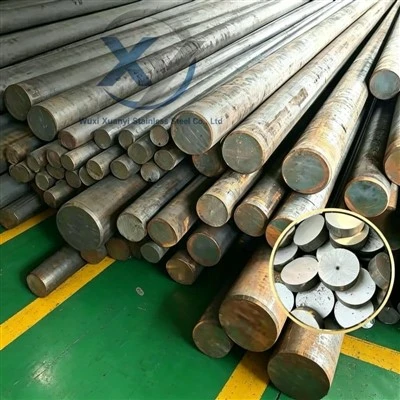
Stainless Steel Bar At the end of the day, we’re not just a stainless steel sheet supplier—we’re here to make sure your order works when you get it. We’ve had clients tell us they’ve had sheets from big box metal suppliers arrive with rust spots or scratch marks that cost them hundreds in rework. That’s why we put this stuff into practice every day, not just for our warehouse, but for every tip we pass along. If you’re working on a job right now, whether it’s a small DIY project or a big commercial build, and you need stainless steel sheet that arrives ready to go, no extra work to fix storage damage, hit us up. We’ll make sure you get the right grade, the right thickness, and it gets to you in perfect shape. Don’t waste time buffing out marks or dealing with warped sheets—let us handle the storage so you can handle the build.
References
- "Stainless Steel Storage Best Practices." Metal Supermarkets, 2024.
- Corrosion Control for Stainless Steel, ASTM International, 2022.
- Fabricator’s Guide to Stainless Steel Handling, The Fabricator Magazine, 2023.
Wuxi Xuanyi Stainless Steel Co., Ltd.
Wuxi Xuanyi Stainless Steel Co., Ltd. is one of the most professional stainless steel sheet manufacturers and suppliers in China. With abundant experience, we warmly welcome you to wholesale bulk durable stainless steel sheet made in China here from our factory. If you have any enquiry about cooperation, please feel free to email us.
Address: 1207-1208, Building 11, Shengang Metropolis Plaza, No. 299 Fangcheng Avenue, Xinwu District, Wuxi City,China.
E-mail: jscherryxy@163.com
WebSite: https://www.xuanyisteel.com/
