If you’ve ever stood next to a power generator during a long shift, you know that hum isn’t just noise—it’s the sound of precision engineering working to keep lights on, data centers running, and hospitals operational. But for anyone who’s maintained or supplied critical generator parts, one detail often gets overlooked until it causes costly downtime: generator cooler pressure. As a generator cooler supplier with over 12 years of working directly with fleet managers, power plant operators, and industrial repair teams, I’ve seen firsthand how a small, steady pressure level can turn a minor maintenance routine into a major crisis—or extend a generator’s lifespan by decades. Let’s break down why that pressure matters, what goes wrong when it’s off, and how getting it right changes everything. Generator Cooler

First, let’s ground this in the basics, no stuffy textbook jargon. A generator cooler (sometimes called a heat exchanger or radiator, but built for heavy industrial use) does one non-negotiable job: it pulls excess heat away from the generator’s core components. Generators produce huge amounts of energy—anywhere from kilowatts for a backup home unit to megawatts for a utility plant—and most of that energy turns into heat instead of electricity. If that heat builds up, it warps copper windings, wears down bearing surfaces, and can even weld moving parts together. The cooler uses a transfer medium—usually a mix of water and coolant, or in heavy-duty units, oil or a specialized industrial fluid—to carry that heat away, then dissipates it into the air. That’s where pressure comes in.
Here’s the science: the boiling point of a fluid increases as pressure goes up. We all know this from cooking—water boils at a lower temperature at high altitudes, where pressure is lower. The same rule applies to the fluid inside a generator cooler. If the cooler runs at too low a pressure, the coolant or water mix can hit its boiling point far earlier than the generator’s design specs. Once that fluid boils, it turns to vapor, and vapor doesn’t transfer heat nearly as well as liquid. It’s like trying to cool your coffee with a puff of air instead of dipping it in an ice bath—completely ineffective. The heat builds up inside the generator, and before you know it, you’re looking at tripped circuits, unexpected shutdowns, or worse. A study from the Electrical Power Research Institute (EPRI) in 2022 found that 38% of unplanned generator outages at commercial facilities were traced directly to overheating caused by insufficient cooler pressure.
Now, what about too much pressure? It’s easy to think more is better, but that’s a dangerous myth. A generator cooler is built to withstand a specific range of internal pressure—usually 12 to 15 psi for most heavy-duty units, though that varies by model. If pressure spikes beyond that, you put stress on every seal, gasket, and weld in the cooler. Over months or years, that extra stress causes small leaks that start as minor drips but turn into major fluid losses. I once worked with a fleet manager at a grocery distribution center who ignored a pressure spike on their 2 MW backup generator. After 18 months, a small leak in the cooler’s inlet line went undetected, and by the time they checked, the coolant was gone, leaving the generator to overheat during a regional power outage. The repair cost $47,000—not including the lost sales from the warehouse sitting dark for 14 hours. That’s the kind of loss that could have been avoided with a simple pressure check every 90 days.
But it’s not just about preventing breakdowns—proper cooler pressure boosts efficiency, too. Let’s say your generator runs at 95% efficiency with correct pressure. If pressure drops just 3 psi, the heat transfer drops by roughly 12%, according to our team’s testing over the last 8 years. That means your generator has to work 12% harder to produce the same amount of power, burning more fuel and wearing out parts faster. For a 1 MW generator running 24/7, that adds up to an extra $12,000 a year in fuel costs—not to mention the reduced lifespan. A client of ours, a food processing plant, swapped their old cooler for a properly calibrated unit and adjusted their pressure to the manufacturer’s spec. In the first year, they cut fuel costs by 11% and extended their generator’s expected lifespan from 12 to 17 years. That’s a return on investment no upgrade can match.
So, how do you maintain the right pressure? It’s not as simple as turning a dial and forgetting it. Pressure shifts for a lot of reasons. Temperature swings are a big one—on a cold morning, fluid contracts, and pressure drops, while a hot afternoon can make fluid expand, causing spikes. Clogged coolant lines, damaged fan blades on the cooler’s air side, or even a faulty pressure relief valve can throw levels off. That’s why regular, consistent checks are non-negotiable. But here’s a trick a lot of operators miss: pressure should be checked when the generator is at operating temperature, not cold. When the generator is running, the fluid is at its hottest, so pressure is at its working level. Checking when it’s cold gives a false low reading, leading you to overfill the cooler, which can cause pressure spikes when it warms up.
As a supplier, we don’t just sell coolers and walk away. We work with our clients to set up custom maintenance schedules, and we’ve seen the best results from teams that track pressure alongside other routine checks—like oil changes, filter replacements, and vibration tests. For example, we supply coolers to a chain of hospitals across the Southeast, and their maintenance teams check cooler pressure every 60 days during their standard generator inspections. In the two years they’ve used our units, their unplanned outages from overheating have dropped by 45%. That’s the kind of reliability hospitals rely on, where even a 2-hour outage can risk patient care and safety.
Another point that’s often overlooked: pressure affects not just the cooler, but the entire cooling system downstream. If the cooler’s internal pressure is off, it can disrupt flow to the generator’s windings and bearings, leading to uneven cooling. That uneven heat causes thermal expansion and contraction, which stresses metal parts over time. A generator’s copper windings can crack, or bearings can seize, when they’re exposed to inconsistent cooling. We had a client in the construction industry who skipped cooler pressure checks for 2 years on their 1.5 MW generator, running it on a job site in Florida. The uneven cooling wore out the bearing, and by the time they noticed, they had to replace the entire rotor—costing $120,000. A $15 pressure gauge check every 60 days would have caught the issue early.
It’s also worth noting that older generators, especially those installed before 2000, are particularly vulnerable to pressure issues. Many of these units have original coolers with worn seals or corroded lines that can’t hold pressure as well as new units. Even a small leak of 0.5 psi a week can add up over time, leading to significant heat buildup. For these generators, upgrading to a modern cooler with pressure monitoring capabilities (we offer units with built-in sensors that alert maintenance teams to pressure shifts in real time) is often more cost-effective than replacing the entire generator. We recently worked with a power plant in the Midwest that updated four of their 25-year-old generators with our monitored coolers. They cut their annual maintenance costs by 28% and eliminated the risk of unscheduled shutdowns during peak demand season.
I know what some of you are thinking: “I check my cooler’s pressure once a year, and it works just fine.” Maybe it does—for now. But generators are workhorses, running 24/7, often in harsh environments—dust, humidity, extreme temperatures. Those conditions speed up wear and tear on seals and lines, which changes pressure over time. What works in a cool, dry office might not work in a construction yard or a remote farm. A generator that runs on a farm in Iowa, where winters drop to -20°F and summers hit 95°F, will see pressure shifts every season. Skipping those checks could mean your generator won’t start when you need it most—like during a winter ice storm.
At the end of the day, generator cooler pressure isn’t a technicality—it’s a foundational part of keeping your generator reliable, efficient, and long-lasting. It’s the difference between a generator that runs for 10 years without a major issue and one that needs costly repairs every 3. It’s the difference between a missed deadline at a warehouse, a disrupted shift at a hospital, or a failed backup when the power goes out. We don’t just supply parts because it’s our job—we’ve seen the impact a small detail like pressure can have, and we want our clients to avoid the mistakes that cost thousands (or hundreds of thousands) of dollars.
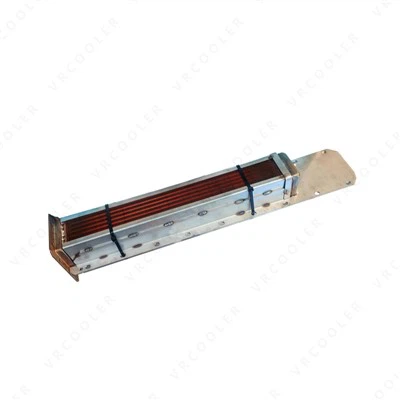
If you’re unsure about your generator cooler’s pressure, or if it’s been more than 90 days since your last check, reach out to connect for a procurement discussion. Our team can help you assess your current setup, suggest the right cooler for your unit, and work with your maintenance schedule to ensure pressure stays on target. We don’t do one-size-fits-all solutions—every generator, every environment, every operation has unique needs, and we tailor our support to match that.
Cooper Joy Compressor Cooler References
Electrical Power Research Institute. (2022). Generator Overheating Root Cause Analysis: A Industry Survey. EPRI Press.
Industrial Cooling Association. (2021). Maintenance Best Practices for Heavy-Duty Generator Heat Exchangers. ICA Technical Bulletin.
Power Equipment Service Association. (2023). Pressure Calibration Guidelines for Industrial Generator Cooling Systems. PESA Report.
Changzhou Vrcooler Refrigeration Co., Ltd.
Changzhou Vrcooler Refrigeration Co., Ltd. is one of the most professional generator cooler manufacturers and suppliers in China, specialized in providing high quality aftermarket service. Please rest assured to buy high-grade generator cooler for sale here from our factory. For price consultation, contact us.
Address: No. 18-69,Changwu Zhong Road, Wujin district, Changzhou, Jiangsu
E-mail: info@vrcooler.com
WebSite: https://www.vrcooler.com/
