If you’ve ever walked around a construction site where aluminum formwork machinery is running, you’ve probably spotted that big, red, mushroom-shaped button hanging out on the side of every piece of equipment. It’s the emergency stop (or E-stop, as everyone calls it) button, and I can’t tell you how many times I’ve seen contractors either ignore it, misuse it, or not know how to actually use it when they need to. As someone who’s been in the aluminum formwork machinery supply game for 12 years now—answering hundreds of calls, troubleshooting mid-project headaches, and even helping new crews train on their gear—I can promise you this: knowing how to use that E-stop button correctly isn’t just a tiny detail. It’s the difference between a small hiccup, a days-long delay, or someone going home hurt. Aluminum Formwork Machinery
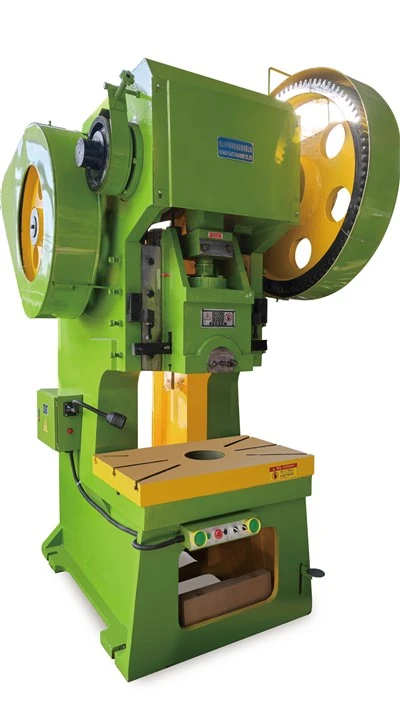
Let’s start with the basics: why E-stops on aluminum formwork gear are not the same as the ones on your office coffee maker. Aluminum formwork machinery isn’t just moving parts—it’s heavy, precise, and often running in tight spaces where workers are setting panels, tying rebar, and getting in and out of the way fast. The E-stop on our equipment (and most major aluminum formwork brands) isn’t just a power switch; it’s a fail-safe designed to cut all power to the machine’s motors, hydraulics, and moving parts in half a second, no questions asked. But here’s the thing I see most new crews messing up: they hit it when they’re annoyed, they forget to reset it, or they use it when a less drastic fix would work. That’s not just bad practice—it can make the machine unsafe later.
Let’s break down when you actually need to hit that E-stop. I’ve had guys call me panicking because a panel got a little stuck and they pressed E-stop instead of reaching for the manual override lever. No, that’s not what it’s for. You need to press the E-stop only when there’s an immediate, dangerous situation: a worker’s clothing getting caught, a panel shifting wrong and about to crush someone, a hydraulic line leaking fluid under pressure, or any time the machine is doing something totally unexpected that could hurt someone or wreck formwork panels. It’s not for pausing mid-task, it’s not for fixing a small jam, and it’s definitely not for when you just realized you forgot to grab your hard hat. Save that red button for when there’s actual danger.
Now, how to press it correctly—this sounds simple, but you’d be shocked how many people do it wrong. First, don’t tap it. You need to press it all the way down firmly. The mushroom shape isn’t a gimmick; it’s designed so you can find it with a gloved hand, even if you’re running around the machine at full tilt, no need to look. But here’s a common mistake: some people press it with their elbow or a tool when they’re busy, which can bend the button or make it not reset properly later. Always use your hand. And once you press it, make sure it’s actually engaged. A quick glance: the button will pop out slightly (if it was flat before) and the machine’s control panel will flash a red “E-stop activated” light—if that light’s not on, you didn’t press it hard enough, and the machine might still be running. I once had a crew that thought they hit E-stop, so they went to fix a jam, only for the machine to suddenly kick on and almost take off a hand—don’t let that be you.
The next big part most people skip: resetting the E-stop safely. A lot of guys just twist it once and hit the start button, which is a huge no-no. After you press E-stop, the machine’s internal systems lock up for a reason—they logged that an emergency happened, so resetting it without checking anything first is asking for trouble. First, you need to address the emergency you stopped. If a panel got stuck, you need to free it. If a line leaked, you need to tighten it. If someone’s clothing caught, you need to make sure no one’s hurt. Then, reset the E-stop correctly: turn it clockwise, not counter-clockwise (wait, yes, most are clockwise to reset—just like a door lock, not the other way around), and it will click back into the housing. Don’t yank it, don’t twist it too hard—you’ll break the button, and then you have no fail-safe next time. Once it’s reset, you always do a quick test: flip the machine to manual mode, move all moving parts by hand to make sure they’re free, and then run a 2-second test cycle before putting it back into work. I’ve seen way too many guys skip that test and have the machine lurch forward because a jam was still there—wasting 2 hours of work instead of 5 minutes checking.
Here’s something I’ve learned after thousands of service calls: most E-stop failures aren’t because the button is broken. They’re because people misuse it. Last year, I got a call from a job site where an aluminum formwork panel almost dropped 10 feet because the E-stop button was dirty—construction dust and concrete grime had gotten into the crack between the button and the housing, so when someone pressed it, it didn’t engage all the way. The crew thought they had pressed it, and the machine kept running. That’s why regular checks matter. Every morning before you start up the machine, take 10 seconds to clean the E-stop button—wipe off the dust, make sure it’s not stuck half-way, and test it by pressing it gently to confirm it engages. Also, never chain or tape the E-stop button down. I’ve seen crews do that because the button is in a spot that’s a little hard to reach, but that defeats the whole purpose of an emergency stop—if there’s a real emergency, you can’t quickly reach a button that’s tied down.
Now, let’s talk about a common myth I hear all the time: “My machine has a safety relay, so if I mess up the E-stop, that will fix it.” No, the safety relay is a backup, not a replacement. The E-stop is the first line of defense. On aluminum formwork machinery, which is built to handle 10,000-pound panels with precise hydraulic pressure, a faulty E-stop relay means the machine can keep running even when the button is pressed. That’s why following the correct E-stop procedure is non-negotiable, not optional.
I’m not here to lecture anyone—construction is a tough job, you’re on tight deadlines, and you don’t have time for extra steps. But 10 extra seconds checking your E-stop and using it right can save you weeks of delays, thousands of dollars in damaged panels, or worst of all, an injury. Over my years in this business, I’ve worked with crews that swear by their E-stop protocols, and they have zero incidents related to that button. The crews that cut corners? They’re the ones calling me at 2 a.m. because a button broke or someone got hurt.
If you’re running aluminum formwork machinery, whether you’re a small contractor with 2 machines or a big firm with 20, making sure your team knows this stuff is non-negotiable. At our company, when we sell machinery, we don’t just hand over the box and leave—we train every single operator on how to use the E-stop, and we have a 24/7 support line if you have questions. We also recommend doing monthly E-stop audits on your gear, just to make sure those buttons are working right, because even the best machines need a little check-up.

At the end of the day, construction is all about getting the job done safely. The E-stop button on your aluminum formwork machinery isn’t just a red dot on a piece of metal—it’s a lifeline. Use it only when you need to, press it correctly, reset it safely, and keep it clean. If you need help training your team, or if you’re in the market for new aluminum formwork machinery that comes with built-in, fail-safe E-stop systems, don’t hesitate to reach out to our team for a free consultation. We’ve helped hundreds of crews up their safety game, and we’re here to help you too.
Steel Formwork Machinery References
Occupational Safety and Health Administration. (2022). Control of Hazardous Energy (Lockout/Tagout) Standard – 29 CFR 1910.147.
Aluminum Formwork Industry Safety Alliance. (2023). Best Practices for Machine Emergency Stop Systems in Formwork Construction.
National Institute for Occupational Safety and Health. (2021). Preventing Machine-Related Injuries in the Construction Sector.
Foshan Yilaite Machinery Equipment Co., Ltd.
Foshan Yilaite Machinery Equipment Co., Ltd. is one of the most reliable aluminum formwork machinery manufacturers and suppliers in China, featured by quality products and good service. Please rest assured to buy CE approved aluminum formwork machinery from our factory. We also accept customized orders.
Address: No.28, Guangyun Road, Shishan Town, Nanhai District, Foshan City (next to Gaobian Bus Station)
E-mail: Myway18@163.com
WebSite: https://www.yilaitemachine.com/
