Hey everyone, let’s cut to the chase: if you’re in the hormone supplement, pharmaceutical, or research chemical space, you’ve probably asked this a dozen times already—can we just make testosterone raw materials in a lab, instead of sourcing them from natural animal or plant extracts? As someone who’s been in the testosterone raw materials game for over a decade, I’ve fielded this question from lab techs, startup owners, and even fellow suppliers so many times I almost have a standard answer on tap… but let’s get into the real, messy details no one’s posting on LinkedIn. Testosterone Raw Materials
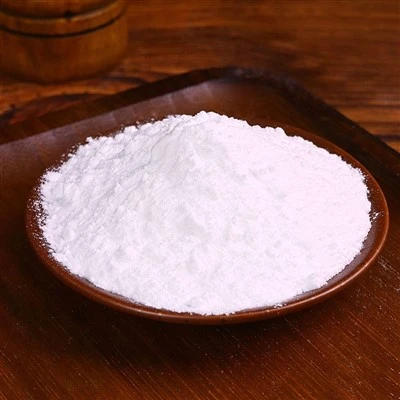
First, let’s back up a little. Testosterone is an androgen steroid hormone, right? Its molecular structure is 19 carbons, with a specific ring arrangement and double bond that’s non-negotiable for biological activity. For a long time, the only way to get bulk testosterone raw materials was to extract them from things like bull testes or wild yam sapogenins—those are plant compounds that get chemically tweaked into testosterone precursors. But over the last 20 years, lab synthesis tech has come a long way, so it’s worth breaking down what that actually means, and how it stacks up against what we (the suppliers) bring to the table.
Let’s start with the basics: what does “synthesizing testosterone raw materials in a lab” even mean here? It’s not just mixing a few chemicals in a beaker and popping out pure T. We’re talking about multi-step organic synthesis, where you build the T molecule from simpler, commercially available starting materials—like androstenedione, or even things like cholesterol or plant sterols. The process works something like this: first, you get a starting material that has a similar carbon skeleton to T, then you do a series of chemical reactions to adjust specific groups, add or remove atoms, and purify the final product so it’s 98%+ pure (the standard for pharma-grade raw materials).
Now, is that possible? Short answer: yes, it’s been done in lab settings for decades. But here’s the thing that most people don’t realize: lab-scale synthesis (for small batches, like 10 grams for a university research project) is totally doable. But when you’re talking about bulk—like 100kg, 1000kg, even 10,000kg batches that pharma companies or large supplement brands need—lab synthesis hits a bunch of snags. Let’s talk about cost first. The starting materials for lab synthesis might be cheap in small amounts, but when you scale up, the reagents and solvents add up fast. Plus, each step in the synthesis has a yield—like, if each step gives you 90% of the desired product, a 10-step process ends up being around 35% total yield. That means you’re wasting 65% of your starting material at every stage, which drives costs through the roof. Compare that to extraction from natural sources, where you’re pulling the target molecule directly from a raw material with way fewer processing steps—sometimes just 2 or 3, so yields are way higher, and costs are lower.
Then there’s purity and consistency. For pharmaceutical-grade testosterone raw materials, you can’t have random byproducts floating around—things like leftover solvents, unreacted starting materials, or even isomers (molecules that have the same formula but a different shape, which can be biologically inert or even toxic). Lab-scale synthesis can be super precise, but scaling it up introduces all kinds of variables: temperature fluctuations, mixing inconsistencies, even minor impurities in bulk reagents that mess up the final product. Natural extraction, on the other hand, has been standardized for years—we work with vetted partners that test every batch for residual solvents, heavy metals, and byproducts, so you get a consistent, pure product every single time. That’s a big deal for anyone who needs to meet regulatory standards—like cGMP (current Good Manufacturing Practices) for pharma, or dietary supplement regulations in the US and EU.
Wait, but hold on—there’s a middle ground now, right? Semi-synthesis. That’s where you take a natural precursor (like diosgenin from wild yam, or stigmasterol from soy) and modify it in a lab to get testosterone. That’s actually the method most large hormone manufacturers use these days, and it’s a happy middle between full natural extraction and full lab synthesis. We supply a lot of semi-synthetic testosterone raw materials, and the reason it works so well is that it combines the cost efficiency of natural raw materials with the control of lab processing. You can adjust the synthesis steps to get exactly the purity and potency you need, without the massive overhead of full lab-scale synthetic manufacturing.
I’ve had a lot of customers come to me saying, “Why not just skip natural sourcing and go 100% lab-made? It sounds more ‘high-tech’ or ethical.” Let’s address that ethical angle too, because that’s a big one for a lot of brands now. Lab synthesis, especially full lab synthesis from petrochemicals, has a way bigger carbon footprint than natural extraction from renewable agricultural sources. Wild yam, for example, is a fast-growing crop that’s cultivated on sustainable farms, so the carbon impact is way lower than the energy needed to run large-scale lab synthesis reactors, process all those solvents, and transport the raw reagents. Also, a lot of people assume lab-made is more “pure,” but when you account for the byproducts and waste from synthesis, it’s not that cut and dry. We test every batch of our raw materials with third-party labs, and the semi-synthetic stuff we supply is just as pure (if not more) than full lab-synthesized bulk T.
But let’s not act like lab synthesis is totally useless. For small-batch, specialty uses—like research for a new hormone therapy drug, or a niche supplement that only needs a few kilograms a year—full lab synthesis makes sense. The key here is scale. If you need 50,000 units worth of testosterone raw materials a month, lab synthesis just isn’t feasible. I’ve seen too many startups try to set up their own lab synthesis operation, only to burn through cash because they underestimated the cost of scaling, the regulatory hoops, and the yield hit. That’s where suppliers like us come in—we’ve already invested in the equipment, the testing, and the supply chains to get you consistent, compliant bulk raw materials without the headaches.
Another thing to consider: regulatory hurdles. The FDA, EMA, and other global regulatory bodies have strict guidelines for testosterone raw materials, especially for pharma use. Full lab synthesis requires a ton of documentation to prove that every step of the process is controlled, that byproducts are within safe limits, and that the product is identical to the testosterone the body produces. Natural and semi-synthetic raw materials already have a long track record of regulatory approval, so they’re way faster to get approved for use in products. That’s a huge time-saver for brands that want to get their products to market quickly.
Wait, I should also mention the difference between testosterone for pharma use vs. supplement use, because that changes things too. For prescription testosterone products, pharma-grade raw materials need to meet USP (United States Pharmacopeia) standards, which are super tight. Lab synthesis can meet those standards, but again, cost is a barrier. For supplements, a lot of brands use semi-synthetic raw materials, which are more cost-effective and still meet the purity requirements set by supplement regulatory bodies. We work with both pharma clients (who need to follow those strict USP guidelines) and supplement brands (who need bulk, affordable, compliant raw materials), so we know exactly what works for each use case.
Let me wrap this up with the real takeaway, not the clickbait stuff you’ll find on other blogs. Can testosterone raw materials be synthesized in a lab? Absolutely, especially in small batches. But for bulk, commercial use—whether that’s pharma, supplements, or industrial research—full lab synthesis isn’t practical yet. The sweet spot right now is semi-synthesis, which combines the best of both worlds: natural, renewable starting materials, and lab-controlled processing to get a pure, consistent product.
Veterinary API Raw Materials If you’re in the market for testosterone raw materials, whether you’re a startup testing a new formula or a large brand looking to streamline your supply chain, I’ve got you. We work with every kind of client, offer batch testing, compliance documentation, and flexible order sizes from small pilot runs to bulk industrial batches. Hit us up to chat about your specific needs, no sales pitch—just straight talk about what works for your business.
References
- Hanson, J. R. (2011). Steroid Chemistry and Biochemistry. Royal Society of Chemistry.
- International Council for Harmonisation (ICH). (2005). Q7 Good Manufacturing Practice Guide for Active Pharmaceutical Ingredients.
- US Food and Drug Administration (FDA). (2022). Regulatory Requirements for Testosterone Products.
- American Herbal Products Association (AHPA). (2021). Wild Yam Extracts and Steroid Precursor Safety Guidelines.
- Organic Process Research & Development. (2019). Scaling Up Semi-Synthetic Steroid Production: Economic and Environmental Analysis.
Henan Jinyi Import & Export Co., Ltd.
Address: Block A, Building 3, No.7 Guoji Road, Jinshui District, Zhengzhou City, Henan Province
E-mail: 13838041990@163.com
WebSite: https://www.jyingredients.com/
