When I first started out as a dental clinic micromotor supplier more than a decade ago, I noticed something that still sticks with me today: most dentists new to private practice rely on high-speed drills for 90% of their procedures, even when a low-speed dental micromotor would work better. I’d set up booths at local dental conferences, and time after time, young practitioners would ask, “What even is a low-speed micromotor, and why would I need one when I have that shiny high-speed unit?” It took years of demonstrating, talking through cases, and showing exactly how these tools work to change their minds—and now, I get questions every week from established practices looking to expand their toolkits. If you’re a dentist, office manager, or someone just breaking into dental supplies, this post is for you: I’m going to break down every common procedure that relies on low-speed dental micromotors, why they matter, and how choosing the right one can save your practice time, reduce patient discomfort, and even boost your bottom line. Dental Clinic Micromotor

Let’s start with the basics to set the stage. A low-speed dental micromotor differs from a high-speed handpiece in two key ways: its rotational speed (we’re talking 5,000 to 20,000 RPM, compared to 300,000 to 800,000 RPM for high-speed drills) and its torque, or rotational force. That lower speed means more control, which is non-negotiable for tasks where precision beats speed. High-speed drills are great for removing large amounts of hard enamel quickly, but they’re too aggressive for the delicate work that makes up most routine and specialized dental care. Over the years, I’ve supplied micromotors to practices of all sizes, and I’ve seen firsthand how the right tool turns a stressful procedure into a smooth one for both the dentist and the patient.
One of the most common uses for a low-speed micromotor is traditional cavity preparation for fillings. Wait, I know—you might be thinking, “Don’t we use high-speed drills for that?” Yes, for removing decay from large cavities that go through the enamel. But for small, shallow cavities (called class I or class II in the dental classification system) that only affect the outer layer of enamel and the underlying dentin, a micromotor is the better choice. Here’s why: high-speed drills generate heat and vibration, which can make patients feel anxious and even cause temporary sensitivity after the procedure. Micromotors run cooler, have less vibration, and let you carve away decay bit by bit, checking your work constantly. I recently worked with a pediatric dentist who swears by his micromotor for small cavities on kids’ baby teeth; he says it cuts treatment time by 20% because kids don’t fidget as much, and he’s had fewer calls about post-procedure sensitivity. We supply micromotors with slow-speed diamond burs specifically designed for this use, so dentists get the precision they need without extra steps.
Another staple in general dental practices is crown and bridge work, and low-speed micromotors are essential here. When you fit a crown, you have to prepare the natural tooth by shaping it so the crown will sit perfectly—no gaps, no uneven edges. That shaping work can’t be done with a high-speed drill; it’s too easy to remove too much tooth structure, which leads to pain or needing a redo. Micromotors are used with specific burs (like round, tapered, or fissure burs) to refine the tooth’s shape, smooth the edges, and even adjust the fit of the temporary crown before the permanent one arrives. I also supply micromotors for polishing the interior of the crown before it’s cemented, ensuring a tight seal that prevents bacteria from getting underneath and causing decay. I remember a general dentist in Chicago who told me he used to rush through crown prep with a high-speed drill, and he’d end up with 10% redo rates; since switching to our micromotor line, that number’s dropped to less than 3%. Small changes like that add up for a practice over time.
Root canal therapy is another procedure where low-speed micromotors are non-negotiable. Root canals require cleaning and shaping the inside of the tooth’s root canals—tiny, narrow spaces that are easy to damage if you use the wrong tool. Micromotors drive endodontic files (thin, flexible tools that clean out infected pulp from the canals) at a slow, controlled speed, so you can navigate the twists and turns of the root without breaking a file or perforating the tooth wall. A broken file inside a canal means extra work for the dentist and more discomfort for the patient, so using a micromotor with torque control is critical here. Some of our top-selling micromotor models include built-end torque limiters that prevent excessive force, which is exactly what endodontists need. I’ve even had endodontists tell me that without a reliable low-speed micromotor, they couldn’t perform the level of precision required for successful root canals, especially on molars with multiple, complex roots.
Periodontal procedures also rely heavily on low-speed dental micromotors. Periodontics is the branch of dentistry focused on the gums and bone supporting the teeth, and treatments here include scaling and root planing, gum grafting, and bone reshaping. Scaling and root planing is the deep cleaning to remove plaque and tartar from below the gum line, and micromotors drive ultrasonic scalers and hand instruments at low speeds to smooth the tooth roots so bacteria can’t build up again. For more advanced procedures, like osseous surgery (reshaping the jaw bone to treat periodontal disease), micromotors with specialized burs are used to contour the bone gently, preserving as much healthy bone as possible while removing diseased tissue. I recently supplied a periodontal clinic in Phoenix with a set of micromotors and contouring burs for their bone reshaping work; the lead dentist told me their patient healing time decreased by about a week because the less aggressive procedure caused less trauma to the tissue. That’s a big win for patients who are already managing a chronic condition.
Pediatric dentistry is a specialty that can’t function properly without low-speed micromotors, and it’s one of the areas I’m most passionate about. Kids are not small adults—they have smaller teeth, thinner enamel, and a tendency to move during procedures, so every tool needs to be gentle and precise. Micromotors are used for cavity prep on baby teeth, as I mentioned earlier, but also for things like extracting baby teeth that are loose but not ready to fall out, shaping crowns for kids’ temporary teeth, and even polishing teeth after cleanings. I’ve worked with pediatric dentists who say their micromotors have turned treatment anxiety into a positive experience for kids; because the tools are quieter and vibrate less, kids don’t associate the dental office with fear. One of our micromotor models is specifically designed for pediatric use, with a lightweight handpiece that fits small hands and a slow speed that’s easy to control— it’s been a staple in pediatric clinics across the country for years.
Prosthodontics, which deals with replacement teeth and oral appliances, is another area where low-speed micromotors are essential. Whether you’re fitting a denture, a fixed bridge, or an implant-supported restoration, you need to shape and adjust the restoration to fit the patient’s mouth perfectly. Micromotors are used to trim acrylic denture bases, polish metal frameworks for bridges, and even adjust the fit of dental implants during the osseointegration phase. When a denture doesn’t fit right, it can cause sore spots, difficulty eating, and even speech problems, so the precision of a micromotor is key to creating a comfortable, functional appliance. I supplied a prosthodontist in Miami with a micromotor for denture adjustment a few years ago, and she told me it cut down her adjustment time for new dentures by 30% because she could make small, precise changes without having to send the denture back to a lab every time. That saves the practice both time and money, which is a huge benefit in a busy prosthodontic office.
Orthodontics is a specialty that often gets overlooked when it comes to micromotor use, but it’s actually one of the largest growing areas for our products. Orthodontists use low-speed micromotors for a variety of tasks, including adjusting and removing braces brackets, shaping the enamel for bonding brackets, and even polishing teeth after braces are removed (called finishing and detailing). When bonding brackets to teeth, micromotors with small diamond burs are used to lightly etch the enamel surface, which helps the bracket adhere better. Too much etching with a high-speed drill can damage the enamel, so the slow, controlled speed of a micromotor is perfect here. I’ve also worked with orthodontists who use micromotors to adjust removable appliances (like aligners or retainers) for patients who need minor tweaks, instead of sending the appliance back to a lab. That’s a quick, on-site solution that keeps patients happy and in treatment.
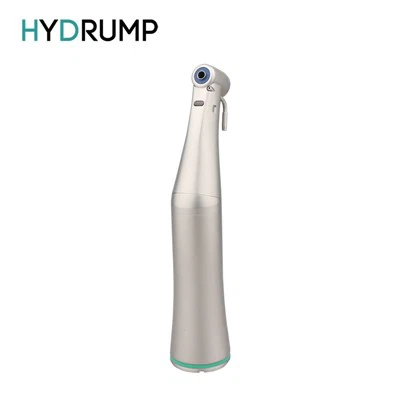
Now, let’s talk about why choosing the right low-speed dental micromotor matters for your practice, not just what procedures use them. Over the years, I’ve seen practices buy cheap, imported micromotors that break after a few months, don’t have enough torque for heavy procedures, or generate too much heat, which can damage both the tool and the patient’s tissue. The right micromotor should have adjustable speed, torque control, a lightweight handpiece for all-day use, and compatibility with a wide range of burs and attachments (from cavity prep burs to endodontic files to prosthodontic trimmers). I supply micromotors that meet all these needs, with a focus on durability and performance— I stand behind every unit I sell, because I know how much a reliable tool means for a dental practice.
I also want to address a common misconception: some dentists think that because high-speed drills are powerful, they can replace micromotors for most procedures. But that’s not true. The precision, control, and lower trauma that micromotors provide are irreplaceable for many of the procedures we’ve talked about. Adding a high-quality low-speed micromotor to your practice’s toolkit doesn’t mean you’re replacing your high-speed drill—it means you’re expanding your capabilities, being able to treat more patients with more comfort, and reducing redo rates that cost your practice time and money.
If you’re a practice owner or manager who’s been thinking about adding a low-speed dental micromotor to your supplies, or if you’re looking to upgrade your current unit, I’m here to help. I’ve worked with hundreds of dental practices, from small private offices to large multi-clinic groups, and I can help you find the right micromotor that fits your specific needs, whether you’re a general dentist, endodontist, periodontist, or pediatric specialist. I don’t do one-size-fits-all solutions; every practice is different, and your tool needs should match the procedures you perform most often.
I’ve spent decades in this industry, watching dental technology evolve, and I’ve seen how the right tools can make a huge difference in patient care and practice success. Low-speed dental micromotors aren’t just an extra tool—they’re a workhorse that supports many of the most common and important dental procedures, and they deserve a spot in every well-equipped dental clinic. If you want to learn more about which micromotor is right for your practice, or to discuss your specific needs, don’t hesitate to get in touch to discuss procurement options.
Low Speed Handpiece References:
- American Dental Association. (2021). Dental Instrumentation for General Practice. Journal of the American Dental Association.
- Cohen, S., & Hargreaves, K. M. (2020). Pathways of the Pulp (11th ed.). Elsevier.
- Rose, L. F., & Mealey, B. L. (2019). Periodontology: Principles and Practice (5th ed.). Wiley.
- Proffit, W. R., Fields, H. W., & Sarver, D. M. (2018). Contemporary Orthodontics (6th ed.). Elsevier.
- International Association for Dental Research. (2022). Low-Speed Micromotor Applications in Restorative Dentistry. Journal of Dental Research.
Foshan Wenjian Medical Instrument Co., Ltd.
Foshan Wenjian Medical Instrument Co., Ltd. is one of the most professional dental clinic micromotor manufacturers and suppliers in China, featured by supplying high quality medical devices. Welcome to wholesale dental clinic micromotor at competitive price from our factory. For more company information, contact us now.
Address: Workshop A, Sanyi Logistics, Shishan Town, Nanhai District, Foshan City, Guangdong Province, China
E-mail: export@wenjian88.com
WebSite: https://www.chinaywjmed.com/
