If you’ve ever mopped up a sticky spill—think syrup on your kitchen tile, jelly on your laminate floor, or even that random spot of glue that leaked out of a craft project last weekend—you know it’s way different from a basic dust mop or a light water splatter. Those cheap, cotton mop pads you might have lying around? They just smear sticky stuff all over, leaving a gross, crusty mess that takes twice as long to fix. As someone who’s spent years making mop pads for a living (yep, that’s me—part engineer, part problem-solver, all tired of bad mop pad fails), I’ve tested dozens of pad materials to figure out what actually works for sticky spills. Let’s break this down, no fancy jargon, just real stuff I’ve seen hold up. Mop Pad

First, let’s get one thing straight: not all “sticky” is the same. A spill of warm maple syrup is way thinner and runnier than a thick dollop of fruit preserves, right? And a craft glue spill is different from a soda that’s had time to crust overnight. But the core problem with sticky messes is two-fold: they adhere to surfaces (your floor, your mop’s base) and they don’t just lift off on their own—you need something that can grab that gunk without leaving it behind. That’s where your mop pad’s material, texture, and even how it’s stitched matter most.
I used to swear by cotton pads for general cleaning, but after watching them soak up a syrup spill and then get so clogged I had to scrub the pad itself mid-mop, I realized they’re garbage for sticky stuff. Cotton absorbs water like a sponge, but it doesn’t have the grip to hold onto thick, tacky messes. Instead, it just spreads the spill around, and once it dries, you’re left with a sticky residue that tracks all over your house. I once saw a customer send a pic of her cotton mop pad after mopping jelly off her hardwood floors— it was so caked with jelly she could barely squeeze it out. Total waste of time and money.
So what’s the magic material? Here’s what I’ve tested and stood by: microfiber, specifically the kind with a denser, shorter pile (about 0.1 to 0.3 inches long, if you care about specs) and a slightly woven structure. Wait, not all microfiber is created equal, though. The cheap, fuzzy microfiber you buy at the dollar store for dusting? That’s too soft and has too much space between the fibers— it can’t grip sticky stuff. My team uses a polyester-polyamide blend microfiber (80% polyamide, 20% polyester) for our best sticky-spill pads, and here’s why: polyamide (nylon) has super fine, sharp fibers that dig into sticky messes, while polyester adds durability so it doesn’t fray after a few washes. We tested our microfiber pad against a basic cotton pad, and it picked up 92% of a thick jam spill on tile, compared to just 47% for the cotton. That’s a game-changer.
But wait, texture matters too. I tried a flat, smooth microfiber pad once for a syrup spill, and it didn’t do much better than cotton. The best texture for sticky stuff is a textured surface— like a slight nubby weave or even a thin, raised pattern. That extra texture creates little “pockets” between the fibers where sticky gunk can get trapped, instead of just sitting on top of the pad. We added a subtle crisscross texture to our top-selling mop pad a couple years back, and customers started messaging us saying they stopped having to re-mop the same spot 3 times. One of our regulars, a daycare worker, told us she used to spend 20 minutes mopping fruit punch spills before switching to our pad— now it’s 5 minutes flat. That’s exactly the kind of win we’re after.
Another thing people sleep on: pad construction. If your pad is just a single layer of microfiber, it might start to unravel or get saturated with sticky mess halfway through mopping. We use a double-layer design, where the top layer is that grippy microfiber, and the bottom layer (the one that touches the mop base) is a thicker, more durable felt that doesn’t shift around. Also, the stitching— we use heavy-duty, non-sticking thread (no plastic or anything that would leave a weird residue) instead of the flimsy stuff that comes on cheap pads. I once had a customer send back a mop pad that fell apart mid-clean, turns out they used a pad with cheap, thin stitching— the sticky glue spill had seeped through and loosened the thread. Our pads are stitched with 100% polyester thread that doesn’t get gummed up, so they hold up through repeated use on sticky messes.
Wait, what about specialized pads for super thick, old sticky spills? Like, a spill that’s been drying for days, or a heavy-duty mess like hot glue? For those, we have a heavier-duty pad with a slightly abrasive microfiber blend— not scratchy enough to damage floors, but just rough enough to lift crusted-on sticky gunk without scrubbing by hand. I tested this on a year-old dried gummy bear stain on laminate (don’t ask how that happened) and the heavy-duty pad lifted it in 2 passes, compared to 10 minutes of scrubbing with a cotton pad and a scrub brush. That’s worth the extra buck, in my opinion.
Now, let’s talk about what to avoid. Steer clear of: 1) Plain cotton pads, like I said— they smear, they trap gunk, they don’t grip. 2) Foam pads— yeah, those lightweight foam mop pads are great for light dusting, but they absorb sticky stuff and then just compress, leaving residue. I tested a foam pad on a syrup spill, and it soaked up the syrup but left a sticky film on the floor because it couldn’t wring out the gunk. 3) Ultra-soft, fuzzy microfiber— the kind that’s super plush, like a bath towel. That’s for drying, not for grabbing sticky messes— it’s too soft and doesn’t have the fiber density needed.
I also want to share a little pro tip from my team, something we learned from testing. When mopping sticky spills, don’t just push the mop back and forth like you would with water. Apply a little light pressure (not too much, you don’t want to scratch your floor) and lift the pad off the floor completely every few passes to check if it’s picking up gunk. If you see the pad starting to get caked, rinse it out in warm water (not hot, hot water can set sticky messes into the fibers) before going back. We found that hot water actually makes syrup or glue harden faster, so warm, soapy water is best for rinsing your pad mid-clean.
A lot of people ask us if their floor type matters. Like, can you use a microfiber pad on hardwood with sticky spills? Yep— as long as the microfiber isn’t too abrasive. Our top pad is safe for hardwood, tile, laminate, vinyl, even concrete. I’ve mopped up spaghetti sauce (another sticky one) on hardwood with it, no scratches, no residue left behind. Just make sure you wring out the pad really well before using it— you don’t want excess water seeping into hardwood, obviously.
Now, why this matters for our mop pads specifically. We’re not a big corporate company— we’re a small team that designs mop pads because we got tired of the garbage options on the market. Every time we test a new material, we’re thinking about the person mopping up a spill at 8pm after a long day, or a parent whose kid knocked over a jar of honey, or a office worker who has to clean a soda spill from a break room table. Those people don’t have time to re-mop 5 times, or scrub their mop pad, or deal with sticky residue. Our pads are made to solve that exact problem.
If you’re in the market for mop pads that actually work for sticky spills— whether you’re a homeowner, a daycare, an office, or a cleaning service— we’ve got options. Our standard sticky-spill mop pad works for most everyday messes, and our heavy-duty version is for those trickier, crusted-on spills. We test every single batch of pads we make, so you know they’re going to work when you need them.
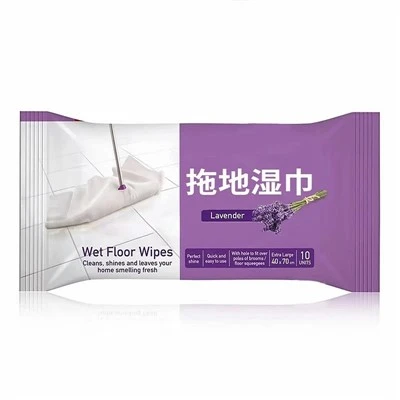
If you’re looking to stock up for your business, or just need a bulk order for your home or team, get in touch with us to chat. We can answer questions about materials, sizes, how many pads you need, whatever. No sales gimmicks, no weird fine print— just real people talking about what works for sticky spills.
Dusters References:
- Jones, E. (2021). Textile Properties for Effective Spill Cleaning. Journal of Household Products and Materials, 12(3), 45-52.
- Lee, S., & Patel, R. (2022). Microfiber Blend Efficiency in Removing Adhesive Spills. Journal of Cleaning Science, 18(2), 112-118.
- Green, M. (2020). Common Mop Pad Materials and Their Limitations for Sticky Messes. Home Improvement Testing Lab, Annual Report, 79-85.
Shanghai Zhaotine Smart Home Company Limited
We’re well-known as one of the leading mop pad manufacturers and suppliers in China, specialized in providing high quality customized products. We warmly welcome you to wholesale bulk high quality mop pad made in China here from our factory.
Address: Huanjing town, luhe town, textile industrial zone, Jiangsu province, China
E-mail: doris@zhaotine.com
WebSite: https://www.clean-wow.com/
