When you’re out there digging up ore, the last thing you want to stress over is where all the leftover gunk goes. That’s where slurry pumps come in—they’re not just some random piece of gear in the mining world; they’re the unsung heroes of tailings disposal. Let’s break this down like we’re chatting over a coffee (no fancy jargon, promise). Slurry Pump
First off, let’s get what tailings actually are. You grind up rock to get the valuable metals—gold, copper, whatever’s your thing—and once you’ve extracted that, you’re left with this muddy mix of crushed rock, water, chemicals, and all the extra bits you don’t need. That’s tailings. If you just leave that sitting around or dump it in a lake? Not good. Bad for the environment, bad for regulations, and honestly, bad for your operation. So you’ve gotta move it, store it, and handle it properly, and that’s 100% the slurry pump’s job.
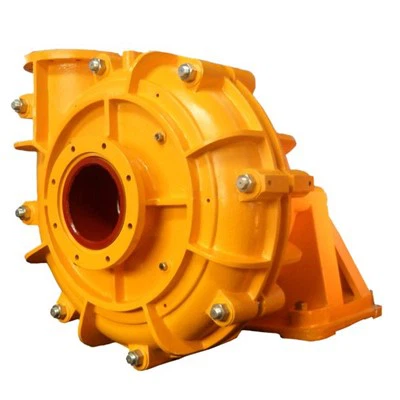
Let’s talk about what makes these pumps different from the water pumps you use for your site’s hose. Slurry isn’t just H2O—it’s thick, gritty, abrasive, sometimes full of those harsh chemicals we mentioned. Regular pumps would chew up in minutes, right? Slurry pumps are built for this. We design ours to handle that tough mix—they’ve got heavy-duty impellers, thick liners, and parts that don’t wear out the second they hit that rocky sludge. Think of it like the difference between a bike for pavement and a mountain bike—same idea, just built for a way rougher terrain.
Now, what do they actually do day-to-day in tailings disposal? Let’s walk through a typical operation. Once the tailings come off the processing line, they go into a holding tank first—some sites call these thickeners, where you let the water settle out a bit. The thickened tailings (the really crumbly, muddy stuff at the bottom) need to get pumped to a tailings storage facility, or TSF for short. That’s usually a big pond or a lined area where the tailings can sit and dry out, right? A slurry pump is the one pushing that thick, gritty mix through miles of pipe—sometimes uphill, sometimes around tight corners, whatever the site’s layout needs.
Wait, and it’s not just moving it once. TSFs need to be maintained, right? As tailings pile up, you’ve gotta move more material to build up the berms (the walls around the pond to keep it contained). Slurry pumps handle that too—they can shift the dry-ish tailings to build those walls without breaking a sweat. Some sites even use them for reclamation later—when you want to pump the dried tailings back to rework them or cover old areas to restore the land. That’s all part of the game now, with all the strict environmental rules.
Let’s get real for a second—why does this matter to you, the mine operator? If your slurry pump breaks down, your whole operation grinds to a halt. Imagine: processing line is cranking out tailings, nothing to move it, so you’ve got a big muddy mess building up, maybe even spilling. That’s lost time, lost money, and a whole lot of headaches. The right slurry pump isn’t just equipment—it’s reliability. We’ve seen sites where a cheap, off-brand pump lasted 6 months, and one of ours? They’ve been running it for 3 years with minimal maintenance. That’s the difference.
Also, let’s talk about efficiency. Mining is all about keeping costs low. Slurry pumps that are built right don’t use more power than they need to. If your pump is struggling to push thick tailings, it’s drawing more electricity, which adds up fast. Our pumps are designed to move that slurry smoothly, so you’re not wasting energy. Plus, less wear means fewer replacements and less downtime. That’s cash in your pocket, plain and simple.
Wait, what about those tricky sites? Like mines in remote areas, where it’s super hot or really cold, or the tailings have extra corrosive chemicals? Our pumps can be customized for that. Need a liner that’s resistant to acid? Done. Need parts that work in freezing temps so the slurry doesn’t ice up in the pipe? We’ve got you. One mine up in Canada told us their old pumps would seize up every winter because the mix would freeze. Our adjusted model fixed that—they haven’t had a freeze issue in 2 years. That’s the kind of real-world stuff we deal with.
A lot of people think slurry pumps are just “pump stuff,” but they’re integral to following regulations. Governments have tight rules on how you handle tailings now—no more dumping them in rivers, no more unlined ponds. You’ve gotta have a system that moves, stores, and manages it safely. The slurry pump is the backbone of that system. If it fails, you’re not just out of a pump—you’re at risk of environmental fines, shutdowns, or worse. We’ve had customers come to us after a regulatory issue because their old pump couldn’t keep up with the required flow. We got them set up with the right pump, and they passed their next inspection with no problem.
Let’s talk about maintenance, because that’s a big one for mine teams. You don’t want to be tinkering with a pump every day when you’ve got a hundred other things to do. Our slurry pumps are built for easy upkeep. The parts are easy to replace, you don’t need a team of engineers to fix a small issue. We also offer 24/7 support—if you have a problem at 2 a.m. on a Saturday, you don’t wanna wait till Monday to get help. We’re here for that, because we know your operation doesn’t stop for weekends or holidays.
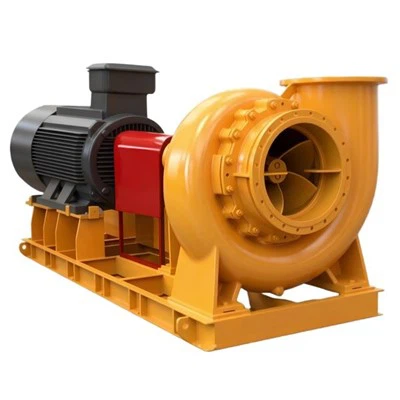
So, putting it all together: slurry pumps aren’t just a piece of equipment in mining tailings disposal. They’re the link between processing your ore and getting rid of waste safely, efficiently, and reliably. Without the right pump, you’ve got downtime, environmental risks, higher costs, and a whole lot of stress. We’ve been working with mines for years, and we’ve seen first-hand how a good slurry pump makes all the difference. If you’re dealing with tailings issues—whether it’s frequent pump failures, high energy bills, or trouble meeting regulations—we can help you find the right pump for your site. Let’s chat, figure out what you need, and get your operation running smoothly.
Slurry Pump References:
- Ministry of Energy and Minerals. (2021). Tailings Management Guidelines for Hard Rock Mining. Government of Canada.
- Australasian Institute of Mining and Metallurgy (AusIMM). (2019). Slurry Pumping Handbook for Mining Operations. AusIMM Publications.
- The World Bank Group. (2020). Environmental and Social Framework for Mining and Tailings Management. The World Bank.
- Smith, J. et al. (2018). Wear Characteristics of Slurry Pump Components in Abrasive Mining Tailings. Journal of Mining Engineering.
Shijiazhuang Ruite Pump Co., Ltd.
Shijiazhuang Ruite Pump Co., Ltd. is one of the most experienced slurry pump manufacturers and suppliers in China. Please rest assured to wholesale high quality slurry pump made in China here from our factory. For price consultation, contact us.
Address: Majuan village, Nandong town, Gaocheng, Shijiazhuang, China
E-mail: info@ruitepump.com
WebSite: https://www.rtslurrypump.com/
