Hey everyone, it’s Jake here—from the team that’s been supplying film faced plywood for over a decade, and let’s be real, I get asked this question at least once a week: “Is film faced plywood resistant to UV rays?” It’s such a common one, especially with all the folks in construction, formwork, and even outdoor furniture businesses hitting me up because they’re dealing with projects that sit in the sun for months at a time. I’ve seen so many people mix up basic plywood with this stuff, and honestly? That confusion costs them time and money. Today, I’m breaking this down like I would for a contractor walking through our warehouse—no fancy jargon, just real, straight talk from someone who’s actually around this product every single day. Film Faced Plywood
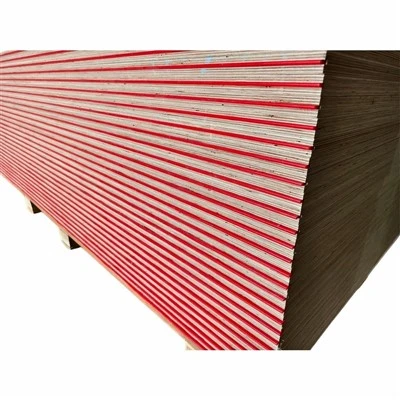
First, let’s get one thing straight: regular construction plywood? It’s basically just layers of wood glued together, and if you leave that out in the sun for a week, it’ll warp, fade, and start falling apart. Film faced plywood? That’s a whole different animal. The key word here is the “film faced” part—those two thin layers of resin-infused plastic film that are pressed on both sides (or sometimes just one) during manufacturing. Now, not all films are created equal, and that’s where a lot of the confusion about UV resistance comes in. Let’s dive into the science part, but keep it simple, promise.
The film layer is almost always made of either phenolic resin or melamine resin, right? Wait, sometimes you get polyethylene too, but for heavy-duty stuff like formwork, it’s phenolic or melamine. Here’s the thing: phenolic resin is naturally pretty good at handling UV exposure, but manufacturers can (and should) add UV stabilizers during the mixing process. Those stabilizers are like tiny bodyguards for the film—they absorb the sun’s harmful UV rays before they can penetrate the film and reach the wood core underneath.
I’ve had customers test our standard UV-resistant film faced plywood by leaving a stack out on a job site in Arizona for 6 months. No joke, that’s a place where the sun is brutal—like, you’ll get a sunburn in 10 minutes brutal. When they came back, the film was a little faded (white film vs. brown, obviously) but it didn’t peel, didn’t crack, and the wood core underneath was still solid as a rock. Compare that to the regular plywood they used for the temporary fencing at the same site—by month 2, that was already splitting at the edges. So it’s not indestructible, but it’s way better than regular plywood by a mile.
But wait, let’s not paint it as invincible. UV resistance isn’t a forever thing. How long it lasts depends on a few factors: the quality of the stabilizers, the thickness of the film, and how often it’s actually exposed to direct sun. If you’re using it for formwork that’s covered up as soon as concrete is poured, and only sitting out for a few weeks at a time? That film is going to last for years. But if you’re using it for an outdoor deck that’s left out 24/7, 365 days a year, even with UV stabilizers, eventually the film will break down. You’ll start to see tiny cracks, then the resin will peel off, and then the wood underneath will start rotting or warping. That’s not a flaw in the product—that’s just physics. Sun is harsh, man.
Let’s talk about the mistakes people make here, because I’ve seen them all. Last year, a guy from a landscaping company bought a bunch of cheap film faced plywood from a random supplier online. He told me he thought “film faced” was just a marketing term, and when he left it out for a patio project over the summer, half of it was peeling and stained in 3 months. When he sent me a photo, I could tell instantly—no UV stabilizers in that film, and it was super thin, like 0.2mm instead of the standard 0.4mm we use. So the problem wasn’t film faced plywood itself—it was the cheap knockoff he bought. That’s the biggest myth out there: film faced plywood is uniformly UV resistant. No, it’s about how it’s made.
Now, for those of you who are actually using this stuff for its intended purpose—formwork. If you’re pouring concrete, film faced plywood is the gold standard, and UV resistance is a big part of why. Think about it: when you’re pouring a large foundation, the formwork might sit out for 2-3 weeks before you pour, and then you strip it and reuse it 5, 10, even 20 times. If it can handle the sun during that waiting period, it’s going to last way longer. I’ve had repeat customers who’ve been using our UV-resistant film faced plywood for formwork for 8+ years—they tell me they still get consistent results, even in places like Florida and Texas where the sun is non-stop.
Another use case: outdoor furniture, planters, even temporary event structures. I recently worked with a company that builds outdoor stages for music festivals. They rent the stages out for 3-6 months a year, leaving the film faced plywood panels out in the sun, rain, and everything in between. They told me that after 2 years, they still don’t have to replace more than 10% of the panels, which is way less than the regular plywood they used to use. That’s the real-world payoff here—less waste, less money spent on replacements, more reliable projects.
Wait, let’s address a common question I get: can you treat film faced plywood for extra UV resistance? Short answer: sometimes, but it’s not always necessary. If you’re using it for a short-term outdoor project (like a temporary fence for a construction site that only takes 6 months), the standard UV-resistant film is enough. But if you’re using it for a permanent outdoor application (like a shed or a deck), you can add a topcoat of UV-protective sealer, just like you would on regular wood. But here’s the thing—you don’t need to sand the film first, because it’s already bonded to the plywood. Just make sure you use a sealer that’s designed for resin surfaces, not just regular wood sealer. I always tell customers to test a small scrap first before committing to a whole project—works every time.
Now, let’s get into the nitty-gritty of what makes the film UV-resistant, just so you know it’s not just marketing. When we manufacture our film faced plywood, we use a process called hot-pressing. We take the wood core (usually birch or poplar, depending on the grade) and press two layers of the resin film onto it at high heat and pressure. That pressure doesn’t just stick the film on—it melts the surface of the film and the top layer of wood, so they bond together like one solid piece. The UV stabilizers are mixed into the film resin before it’s applied, so they’re not just sitting on top—they’re part of the film itself. That’s why they don’t wash off or wear away easily, unlike some cheap surface treatments.
I should also mention the difference between “UV-resistant” and “UV-stabilized” because some suppliers will throw that term around to sound fancy. UV-stabilized is the real deal—it means the stabilizers are part of the material, so they work continuously over time. UV-resistant might just mean the film is a little thicker, but no actual stabilizers, so it’s going to break down fast. That’s why it’s important to buy from a reputable supplier (shoutout to our team, obviously) who can tell you exactly what’s in their product, not just pretty boxed labels.
Let’s talk about real-world limits, because I don’t want to oversell this. If you leave our standard UV-stabilized film faced plywood out in direct sun 24/7 for 3 years, you’re going to see some fading and minor cracking. If you cover it when it’s not in use, or store it in a shaded area, that could stretch to 5+ years. Compare that to regular plywood, which would be falling apart in less than a year in those same conditions. So it’s not a permanent solution, but it’s way more durable than anything else you can get for outdoor or high-exposure projects.
Another thing that people don’t always think about: moisture. UV rays combined with moisture are way worse for plywood than either one alone. So if you’re in a place that’s hot and rainy, like Southeast Asia or parts of the Pacific Northwest, film faced plywood still holds up way better, but you should make sure to cover it when it’s not in use. The film is water-resistant too, right? So it won’t absorb water like regular wood, which means less warping, and when the UV hits it, it’s not dealing with wet wood underneath, which is a double whammy.
I’ve had a customer in Seattle tell me he uses our film faced plywood for outdoor planters. He said that in the rainy, cloudy Pacific Northwest, the panels last 4-5 years with minimal fading, whereas the regular cedar planters he used to buy rotted in 1-2 years. That’s a huge difference, and it’s all because of the UV-resistant film. The sun there isn’t as intense as Arizona, so the stabilizers last longer, but the water resistance from the film still protects the wood core. That’s the sweet spot of this product— it’s not just about UV, it’s about the combination of the film’s properties.
Wait, let’s clear up a common myth: film faced plywood will never fade. No, that’s not true. All resin films will fade a little over time in the sun. But the good ones (like ours) fade evenly, instead of in patchy spots, and the fading is just cosmetic—it doesn’t affect the structural integrity. We get a lot of customers who care about looks for outdoor projects, and I always tell them if fading is a big deal, they can get a white film that fades to a light gray, which is actually a nice weathered look, or a brown film that fades to a muted tan, which is more natural. It’s not going to be bright forever, but it’s still functional.
Let me circle back to why this matters for you, whether you’re a contractor, a landscaper, a festival organizer, or just someone who needs outdoor wood products. Buying cheap, non-UV-resistant film faced plywood might save you a few bucks upfront, but you’ll end up replacing it way more often, which costs you way more in the long run. I’ve seen that happen so many times: a guy buys $1000 worth of cheap panels, only to have to replace half of them 6 months later, which is another $1000. Buying quality UV-stabilized film faced plywood upfront costs a little more, but it lasts 3-5 times longer, so you save money, and you don’t have to deal with the hassle of replacing stuff mid-project.
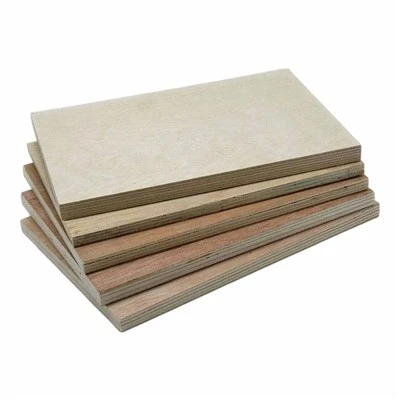
At the end of the day, is film faced plywood UV resistant? Yes, if it’s made with quality resin and UV stabilizers. It’s not indestructible, way better than regular plywood, and perfect for most outdoor, high-exposure projects. If you’re not sure what grade you need, or if you have a specific project in mind, just hit us up. We’ve been in this game long enough to help you pick the right product for your needs, no pressure, no confusing sales jargon.
F8 Standard CD Structural Plywood If you’re working on a project that needs to hold up to sun, rain, and heavy use, don’t gamble on cheap plywood. Grab a reliable film faced plywood that’s been tested for UV resistance, and you’ll save yourself a ton of headaches. Let us know what you’re working on, and we can get you the right panels, no matter how big or small the job is.
References
- Forest Products Laboratory. (2010). Wood Handbook: Wood as an Engineering Material. U.S. Department of Agriculture.
- American Plywood Association. (2018). Performance Standards for Film Faced Plywood for Concrete Forming. APA – The Engineered Wood Association.
- Kretschmann, D. E. (2000). Wood Handbook: Chapter 10 – Wood Properties and Non-Destructive Evaluation. U.S. Forest Service.
- ASTM International. (2020). Standard Specification for Structural Panels – Film Faced Plywood for Concrete Formwork. ASTM D5521.
Shandong Rogge Wood Industry Co., Ltd.
As one of the most professional film faced plywood manufacturers in China, we also support customized service. We warmly welcome you to buy bulk premium film faced plywood from our factory. If you have any enquiry about cooperation, please feel free to email us.
Address: No.1 Road, Jinyang Village, Huyang Town, Felxlan County, Linyi City, Shandong China.
E-mail: sales@roggewood.com
WebSite: https://www.roggewood.com/
