Hey there, fellow stitchers and small business owners! If you’ve ever stared at a spool of thread and a half-finished embroidery design, wondering why your work looks wonky or fades way too fast, I feel you. As someone who’s been in the embroidery fabric game for over 10 years now (shoutout to all the late nights testing fabrics with my team), I can’t tell you how many times a client has come to me frustrated because they picked the wrong fabric for their design. Today, I’m breaking down exactly how to choose the right embroidery fabric for whatever you’re creating—no stuffy jargon, just real, actionable stuff I’ve learned from hundreds of orders. Embroidery Fabric

First off, let’s talk about why fabric matters more than, like, the perfect thread color. Think about it: if your design is a bold, high-contrast logo for a baseball cap, using a super slippery silk fabric won’t hold up to the constant stretching and washing that a cap goes through. The stitches will pucker, slide, and fall apart way faster than if you used a sturdy cotton twill. Conversely, if you’re making a delicate lace table runner for a wedding, a thick canvas will look way too bulky, and the intricate details you’re trying to stitch will get lost under all that fabric. It’s all about matching the fabric’s properties to your design’s purpose, size, and how it’s going to be used.
Let’s start with the basics: what kind of design are you making, and who’s using it? That’s the first question I ask every person who hits me up for fabric. If it’s something functional—like a work uniform, sports gear, or a tote bag that people carry every day—you need a fabric that’s durable, stretchy enough to move with the person, and easy to wash. If it’s decorative—like a wall hanging, a dress, or a tablecloth—you can lean into fabrics that look pretty, even if they’re a little more delicate.
Now, let’s dive into specific fabric types and which designs they work for, straight from the supplier’s perspective. First up: cotton. Cotton is my bestseller, no question. It’s affordable, super versatile, and easy to stitch on, even if you’re a beginner. Wait, not all cotton is the same—let’s be real here. If you’re doing a small, tight design (like a monogram on a shirt pocket), pick a medium-weight cotton, like 100% cotton broadcloth or poplin. They’re smooth, so your stitches will lay flat, and they don’t pucker easily. But if you’re doing a big, bold design on a baseball tee or a hoodie, go for a heavier cotton, like cotton twill or canvas. Those have more structure, so the big stitches won’t stretch out or get distorted when you wear the garment. A lot of people tell me they used a thin cotton for a tote bag design, and the tote ended up looking lumpy after a few washes—trust me, that’s the difference.
Next, polyester and blends. Polyester is key for sports gear, y’all. It’s stretchy, fade-resistant, and doesn’t shrink when you wash it—perfect for soccer jerseys, swimwear, or team jackets. The only catch? Polyester is a little slippery, so if you’re stitching on it, you might want to use a stabilizer (I’ll talk about stabilizers in a sec!) to keep the fabric from shifting. Also, blends—like cotton-poly blends—are great if you want the softness of cotton with the durability of polyester. They’re less prone to wrinkling than pure cotton, which makes them ideal for things like corporate dress shirts where the design needs to stay crisp all day. I recently had a customer make custom polo shirts for a small business, and they used a 50/50 cotton-poly blend— the design looked sharp, and the shirts held up through multiple washes without fading.
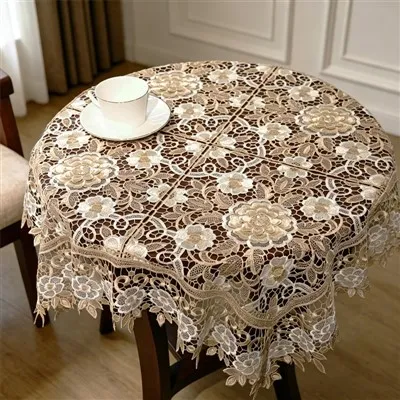
Then there are the fancy fabrics: silk, satin, lace, and linen. These are for decorative stuff, not everyday wear. Silk is dreamy for delicate embroidery—think a custom wedding gown or a fancy scarf. But here’s the thing: silk is super soft and stretchy, so you need to go slow with the stitching. If you pull too tight, the silk will tear, and the stitches will pucker. Satin is another one—great for things like evening bags or decorative pillow covers, but be careful with satin’s glossy surface. It can make some thread colors look muted, so test your thread on a scrap first. Lace is tricky, too. It’s super delicate, so you need to stabilize it well, and your design has to be simple enough to not get lost in the lace’s pattern. Linen is a wild card. It’s sturdy, has a nice texture, but it wrinkles like crazy. If you’re making a wall hanging, linen looks amazing once it’s pressed, but if it’s a garment that’s going to be worn a lot, the wrinkles might be a hassle. I had a customer who embroidered a landscape on linen for a tapestry—she loved it, but she had to iron it every time she hung it up. Fair warning.
Now, let’s talk about design specifics, because it’s not just the fabric type— it’s your design’s size, stitch density, and theme. If your design is super detailed, like a portrait or a tiny logo with lots of small stitches, you need a fabric that’s smooth and doesn’t have a big texture. A woven cotton broadcloth works here, because the tight weave will let those small stitches lay flat and show every detail. If your design is big and bold, with lots of open space between stitches, a heavier fabric like canvas or twill is perfect. The open stitches won’t pull through the big fabric gaps, and the fabric’s weight will make the design look prominent.
Stitch density is another big one. Stitch density means how close together your stitches are—like, a design that’s all solid blocks of color has high stitch density, while a design with lots of outlines has low. High stitch density needs a fabric that’s strong enough to handle all those close stitches. If you try to do a high-density design on a thin fabric like chiffon, the fabric will pucker and tear. I learned this the hard way early on— I had a customer try to make a high-density design on a thin chiffon dress, and half the stitches ripped out after the first wear. Now I always tell people: high density = thick, sturdy fabric; low density = you can go a little lighter, but not too light.
What about stretch? If your design is going on something that stretches, like leggings, a hoodie, or a baseball cap, you need a fabric that stretches with the embroidery. Cotton spandex blends are perfect here—they have a little give, so when you stretch the fabric, the stitches don’t break. If you use a non-stretchy fabric like canvas on leggings, the stitches will pull tight and snap when you bend your knees. I’ve had so many athletes tell me this—they switched to stretch fabrics for their team gear, and their embroidery no longer breaks during games.
Now, let’s not forget the stabilizer! Wait, I said I wouldn’t get into too many jargon, but stabilizer is a game-changer. It’s a thin sheet that you iron or stick to the back of your fabric to keep it from shifting while you stitch. If you’re using a slippery fabric like polyester or a stretchy fabric like spandex, you definitely need a stabilizer. Even if you’re using cotton, if your design is big or high-density, a stabilizer will help prevent puckering. I always keep a stock of cut-to-size stabilizers for my customers—way easier than cutting big sheets every time.
Wait, let’s test out some real examples to make this concrete. Let’s say you’re making custom tote bags for your bakery. The design is your logo, a little script, on the front. What fabric? Medium-weight cotton canvas. It’s durable enough for people to carry groceries, and the logo will stand out without puckering. If you used a thin silk, the logo would slip all over the place after a few washes. Another example: you’re making a wedding veil. The design is a delicate floral pattern. What fabric? Silk organza. It’s lightweight, has that sheer look you want for a veil, and with a good stabilizer, the small floral stitches will turn out perfect. If you used a thick denim, it would look way too heavy, and the delicate flowers would get lost.
Another common mistake people make: not considering washing and care. If your design is going to be on something that gets washed a lot—like kids’ clothes, work uniforms, or tote bags—you need a fabric that’s washable and fade-resistant. Cotton is fine, but make sure it’s pre-washed before you start stitching! A lot of people skip pre-washing, and then the fabric shrinks after the first wash, and all your stitches get bunched up. Polyester and blends are better for high-wash items because they don’t shrink. I always tell customers to pre-wash their fabric, even if it says “pre-washed” on the label—sometimes labels are wrong, and it’s a lifesaver.
What about color? Wait, no, not thread color—fabric color. If your design is light and delicate, like a tiny white monogram on a light pink shirt, a white or off-white fabric works best. If you’re doing a bold design with bright colors, a neutral fabric (black, white, gray) will make the design pop. I’ve had customers who tried to stitch a bright red logo on a dark navy fabric— the red looked muted, and it was hard to tell where the logo ended and the fabric started. That’s a quick fix, but it’s something to think about.
Now, as a supplier, what do I do to help people get this right? I always ask a ton of questions when someone reaches out: What’s the design? What’s it going on? Who’s using it? How often will it be washed? For example, if a mom comes to me wanting fabric for custom kids’ backpacks, I’ll point her to a heavy canvas or cotton twill, because it’s durable and easy to wipe clean. If a bride comes in wanting fabric for her wedding dress embroidery, I’ll send her silk charmeuse or lace, with a note about using a water-soluble stabilizer. I even send out small fabric samples for free—people love being able to feel the fabric before they buy it, because a photo on a screen doesn’t do it justice.
Wait, let’s talk about what to avoid. Don’t use super slippery fabrics like satin for high-density designs—they pucker. Don’t use thin fabrics like chiffon for big, bold designs—they tear. Don’t forget about stretch for garments that move—stitches break. And don’t skip pre-washing your fabric, no matter what. I can’t tell you how many times a customer has come back to me saying their embroidery is ruined, and it turns out they didn’t pre-wash, so the fabric shrank. It’s such a simple step, but it makes all the difference.
Also, let’s shout out to beginners. If you’re just starting out, stick to cotton first. It’s forgiving, easy to stitch on, and you don’t need a ton of fancy tools. Once you get the hang of it, you can branch out to blends or decorative fabrics. I had a girl who started with cotton for monograms on her grandma’s kitchen towels, and now she’s making custom bridal gowns—all because she picked the right fabric to start with.
Oh, and what about commercial embroidery vs. hand embroidery? Wait, a lot of people email me asking about this. Commercial machines can handle thicker fabrics, like denim or canvas, way easier than hand embroidery. If you’re using a machine, you can also work with a wider range of fabrics, as long as you use the right stabilizer. Hand embroidery is more flexible, but you have to go slower with stretchy or delicate fabrics. That’s another question I always ask—are you doing this by hand or with a machine? It changes everything.
Let me wrap this up with a quick checklist, so you don’t have to remember all this: 1. What’s your design’s purpose? (Functional vs. decorative) 2. What’s the fabric’s weight? (Heavy = durable, good for big designs; light = delicate, good for small designs) 3. Is there stretch? (If yes, go for a stretch blend) 4. Stitch density? (High = thick fabric, low = can go lighter) 5. Care instructions? (High-wash = cotton/poly blend, delicate = silk/lace) If you check all those boxes, you’ll pick the right fabric every time.
At the end of the day, embroidery is about making something that lasts and looks good. Picking the right fabric isn’t just a rule—it’s the difference between a design that you’ll be proud to show off and one that falls apart after a few uses. As someone who’s spent years testing fabrics and helping people get it right, I’m here to help you skip the trial and error. If you’re working on a project and need help picking fabric, shoot me a message—we can chat through your design, your needs, and I’ll hook you up with the right material, even send samples if you want. No stuffy sales talk, just real advice from someone who’s in the trenches with you.
Embroidery Tablecloth References:
- Embroidery Industry Association. (2022). Fabric Selection Guide for Commercial Embroidery.
- Textile Institute. (2021). Properties of Embroidery Fabrics and Their Impact on Stitch Quality.
- Small Business Administration. (2023). Custom Apparel Production: Fabric Best Practices for Small Entrepreneurs.
- Stitch Magazine. (2022). Hand Embroidery Fabric Tips for Beginners and Advanced Stitchers.
Shandong Shengrun Textile Co., Ltd.
With over 15 years of experience, Shandong Shengrun Textile Co., Ltd. is one of the most professional embroidery fabric manufacturers and suppliers in China. Please rest assured to buy or wholesale durable embroidery fabric in stock here from our factory.
Address: 9th Floor, Hui Ji Business Tower, Ren Cheng District, Ji Ning, Shan Dong, China
E-mail: liang@shengrungroup.com
WebSite: https://www.shengruntextile.com/
