If you’re here, chances are you’ve got a rubber-metal composite valve core—whether you maintain industrial pumps, agricultural irrigation systems, or even hydraulic machinery for construction—and you know these little parts are the unsung heroes of keeping fluids flowing (and not leaking all over the place). Let’s cut to the chase: I’m not here to give you a textbook lecture. I’m one of the guys who makes these valve cores, right out there on the production floor, so I’ve seen every mistake people make with them. Most of the time, it’s not a manufacturing flaw—it’s basic maintenance that gets overlooked, and that’s why cores fail way before they should. Rubber-metal Composite Valve Core
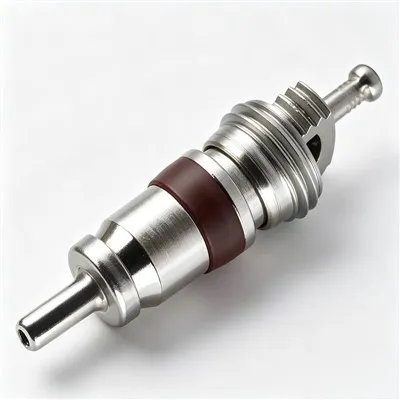
First off, let’s get one thing straight: rubber-metal composite cores aren’t the same as all-rubber or all-metal cores. The rubber (usually EPDM, nitrile, or silicone, depending on what you’re working with) is bonded to a metal base, and that bond is the make-or-break point. Mess with that bond, and you’ve got a core that leaks, sticks, or just stops working entirely. So all the tips I’m gonna share circle back to protecting that bond, not just keeping the rubber soft or the metal rust-free.
Let’s start with the most common mistake people make: ignoring the operating environment. A lot of folks install a valve core and then forget to check if it’s even rated for the stuff it’s moving. For example, if you put an EPDM core (great for water and mild chemicals) in a system with hot oil or harsh solvents, the rubber swells, separates from the metal, and that bond snaps before you know it. I’ve had customers send back cores that looked like they’d been dipped in gasoline—turns out they grabbed the cheapest core at the local hardware store and hoped for the best. My advice here? Don’t cut corners on matching the core to your fluid and conditions. EPDM for most potable water and HVAC systems; nitrile for oil, fuel, and hydraulic fluids; silicone for extreme temps (like hot water up to 450°F) or food-grade applications. If you’re not sure, just shoot us a message—we’ve got a guide for that.
Next up: regular inspections, and I don’t mean the 5-minute “looks good” check you do when you’re changing a filter. We tell all our clients to do a quick visual and functional check every 3 months, or every 1,000 operating cycles, whichever comes first. Here’s what to actually look for. First, the rubber surface: check for cracks, swells, or tiny chunks missing. If you see the rubber is puffy, that’s a sign it’s absorbing something it shouldnbe—and that bond is already weakening. If it’s cracking, that’s from too much temperature swing or being exposed to ozone (like sitting out in the sun, if your valve is outdoors). Then, the metal base: no rust spots, no chipping where the rubber meets the metal. That chip is the first sign the bond is coming loose. I’ve seen cores where the metal base had a tiny rust spot, and over a month, the rust expanded, peeled the rubber right off, and caused a major leak that shut down an entire processing line. Don’t skip the metal check.
Functional checks are just as important, and way easier to mess up. When you open and close the valve, does it stick? If the core is hard to move, that’s not normal. Sticking usually comes from debris building up on the rubber or metal, or the rubber getting too stiff from low temps. Wait till last winter, anyone’s pump valve stuck? That’s likely the core—cold makes rubber harden way more than most people think. Also, check for leak-through when the valve’s closed. A tiny drip that starts small can turn into a flood by next week, and that’s almost always a worn or damaged core. If you notice any of these, don’t wait—pull the core, clean it, and inspect it again. If it’s got major cracks or bond separation, replace it. Don’t try to patch a rubber-metal core—trust me, we’ve seen guys use silicone sealant to glue the rubber back on, and it lasts 2 days before it leaks worse.
Now, the big one: proper cleaning. This is where most people go wrong, and it’s 90% of the reason we get warranty returns that are totally preventable. First, never use harsh cleaners like bleach, acetone, or abrasive scouring pads on your valve core. Bleach eats through EPDM rubber, acetone will dissolve nitrile, and abrasive pads scratch the rubber surface, leaving tiny holes where dirt and fluids can get in and break the bond over time. What do we recommend? For most everyday use, just warm soapy water (mild dish soap, like Dawn—nothing fancy) and a soft bristle brush, like a toothbrush. For heavier gunk, like grease or oil, use isopropyl alcohol (90% or higher, not the rubbing kind with moisturizers) and a lint-free cloth. Let the core air dry completely before putting it back—moisture trapped between the rubber and metal is a recipe for rust, which we already know is bad.
Also, when you’re reinstalling the core, don’t force it. A lot of people jam the core into the valve seat with a screwdriver or a pair of pliers, and that’s a surefire way to crack the rubber or peel it away from the metal. We design these cores to fit snug, but they should go in with just gentle hand pressure. If it doesn’t slide in easy, double-check that the seat is clean and not damaged—don’t brute force it. And for outdoor applications, if your valve sits exposed to rain, UV light, or dust, make sure you put a little thin layer of food-grade silicone grease on the rubber seal when you reinstall it. That keeps the rubber from drying out and prevents debris from getting caught, which wears it down faster.
Wait, what about storage? If you’re holding extra cores for a repair, don’t just toss them in a toolbox with wrenches and nails. Rubber is porous, and it can pick up chemicals from metal shavings or oil, or get nicked by sharp tools. Store them in a cool, dry place—below 80°F, away from direct sunlight, and not near any chemicals like paint thinners or pesticides. And don’t stack heavy stuff on top of them—pressure can flatten the rubber seal, making it leak when you finally use it. We ship our cores in plastic bags with a little desiccant packet, and that’s exactly how you should store them when they’re not in use.
Let’s talk about common myths I hear all the time. First myth: “Metal parts never need maintenance, so this core will last forever.” No way. The rubber is the wearing part, even if it’s bonded to metal. Every time the valve opens and closes, the rubber flexes, gets squeezed, and exposed to whatever fluid is moving through. After a few thousand cycles, it’ll wear out, just like a brake pad on a car. Second myth: “I can use any core as a replacement.” Nope. We get calls all the time from people who bought a cheaper core from a random supplier, and it’s way too big or small, or the rubber is bonded wrong. Our cores are precision-machined so the metal fits exactly into the valve seat, and the rubber is bonded under high pressure to make sure that connection never fails. Generic cores might look the same, but they skip the quality control step for the bond, and that’s where you get leaks.
Another thing: temperature extremes. If your system runs super hot (like over 300°F) or super cold (under -20°F), regular cores won’t cut it. Standard EPDM starts to break down at 300°F, so you need a high-temp silicone composite core there. For cold climates, nitrile gets too stiff below -10°F, so go for a core with a specialized rubber blend that stays flexible in cold. We’ve had clients in Canada run our cold-rated cores through -30°F winters, and they barely need replacement—way better than the standard cores that stick shut every time it drops below zero.
Let me give you a real example, just to drive this home. A few months back, we had a client in the agricultural sector call us panicking—their irrigation pumps were leaking all over the field, costing them thousands in water and crop damage. They’d been buying cheap cores from a local supply store and changing them every 2 months. We sent one of our techs out to check, and the cores they were using had swollen rubber because they were designed for potable water, not the slightly acidic well water their farm uses. The bond between rubber and metal had already broken, so the core wouldn’t seal at all. We swapped them for our acid-resistant EPDM composite cores, and now they only change them once a year. That’s the difference between following basic maintenance and ignoring the details.
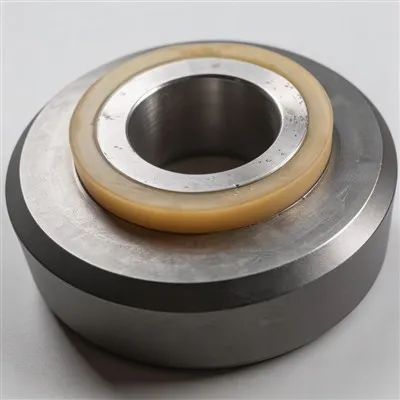
So let’s wrap this up, quick. The main points are: match your core to your exact fluid and operating conditions, inspect every 3 months or 1,000 cycles, clean with mild soap or isopropyl alcohol, don’t force it when installing, store cores properly, and don’t skimp on quality when you need a replacement. These steps don’t take much time, and they’ll make your valve cores last 2x or even 3x longer, saving you from downtime and replacement costs.
Damper If you’ve got questions about which core is right for your system, or you need a bulk order for your operation, don’t hesitate to reach out. We’re not a big, faceless corporation—we’re the people who actually make these parts, so we can answer all your specific questions, no robot chatbots or generic manuals. Just send over your application details, and we’ll hook you up with the right solution and make sure you’ve got the maintenance tips you need to keep your valves running smooth.
References
- ASTM International. (2019). Standard Specification for Rubber-Metal Bonded Assemblies for Hydraulic and Pneumatic Applications. ASTM D4577-19.
- Rubber Manufacturers Association. (2021). Maintenance Guidelines for Rubber-Elastomer Components in Industrial Fluid Systems. RMA Publication 21-02.
- Parker Hannifin Corporation. (2022). Selection and Care Guidelines for Composite Valve Cores for Agricultural and Industrial Applications. Technical Bulletin TC-789.
Tianjin TGE BIAM Graphene Technology Co., Ltd.
Tianjin TGE BIAM Graphene Technology Co., Ltd. is one of the most professional rubber-metal composite valve core manufacturers and suppliers in China, also supports customized service. Please feel free to buy bulk advanced rubber-metal composite valve core in stock here from our factory. For quotation, contact us now.
Address: No. 24 Sanjing Road, Dongli Development Zone, Tianjin City, China.
E-mail: sales@tge-tj.com
WebSite: https://www.tge-valve.com/
