Hey everyone, thanks for dropping by! I’m [Your Name], part of the team here at our textile finishing emulsion supply business, and today we’re talking about something that comes up at least 10 times a week from our clients: “What’s the right temperature to cure this stuff?” It’s a super common question, and honestly, getting it wrong is such a hassle—think cracked finishes, poor washability, even fabrics that feel stiff for no reason. So let’s break this down like we chat with customers over coffee, no stuffy jargon, just real info you can use. Textile Finishing Emulsion
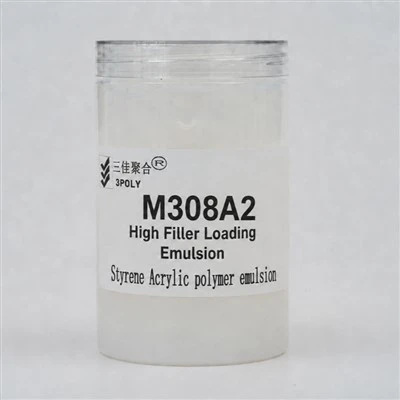
First off, let’s get one thing straight: there’s no one-size-fits-all answer here. The cure temp for our emulsions (and most textile finishing emulsions out there) depends on a handful of key factors: what kind of emulsion we’re talking about, the fabric it’s going on, how thick the finish is applied, and even the humidity in your facility. I’ll walk through the main types because that’s where most folks get confused. Most textile finishing emulsions fall into three big categories: acrylic-based, polyurethane (PU)-based, and softener blends. Let’s go through each one, since that’s the starting point for any job.
Acrylic emulsions are the workhorses of the industry, right? They’re used for everything from waterproofing to stain resistance to adding a little extra durability to denim. For these, the standard cure temp is usually between 140°C to 160°C (that’s 284°F to 320°F, for my US folks). Wait, but hold on— that’s for the “full cure” part, not just the initial drying. Oh, important distinction! First, you’ve got to drive off the water in the emulsion, which is usually around 80°C to 100°C (176°F to 212°F)— that’s just getting it from a wet, goopy coating to a solid film. But if you stop there, the finish will peel off after the first wash, or rub off when you’re handling the fabric. The 140–160°C range is where the cross-linking happens— that’s the chemical bonds that make the finish stick, flex with the fabric, and actually do what it’s supposed to. I’ve had a customer last month try to cut corners and only do 120°C, and within a week their finished shirts were coming back with the stain protector flaking off. Lesson learned: don’t skip the full cure temp for acrylics.
Now PU emulsions— these are the ones you use for things like faux leather, waterproof jackets, or stretch fabrics. PU is way more flexible than acrylic, so its cure temp is a little lower, usually 120°C to 150°C (248°F to 302°F). Why lower? Because PU’s cross-linking starts at a lower temp, and if you crank it too high, you can actually make the finish brittle— which is the last thing you want for a jacket that’s going to bend and stretch when you wear it. I remember a small brand making activewear tried 160°C once, and their leggings were splitting at the seams after the first workout. Total waste of their batch, and they only reached out to us after that mistake. Also, some specialty low-temperature PU emulsions we carry are even cured at 100°C— we made those for a client who couldn’t handle higher temps because they were working with heat-sensitive fabrics like modal. That’s another point: fabric type matters a ton.
Speaking of fabric— that’s a huge variable people sleep on. Let’s say you’re working with a heat-sensitive fabric, like lyocell or some poly blends that shrink at high temps. If your acrylic emulsion calls for 150°C, cranking that up will make the fabric shrink so much it’s unusable. That’s why we also offer a low-temperature acrylic emulsion for those fabrics, which cures at 120°C to 130°C. But you have to adjust the time, too— lower temp means longer cure time. If you do 120°C, you might need to hold it for 2 minutes instead of 1, where at 150°C it’s only 45 seconds. It’s a balance between temp, time, and fabric. For thicker coatings (like when you’re doing a heavy-duty waterproof finish), you might need a slightly higher temp to make sure the whole layer cures, not just the top. If the coating is too thick, heat doesn’t penetrate all the way, and the bottom stays tacky.
Then there’s humidity— your facility’s environment plays a part, too. If you’re in a super humid place, like Florida or Southeast Asia, the water in the emulsion takes longer to evaporate. So if you just go by the standard temp, you might end up with damp spots, which ruin the cure. We always tell clients in humid climates to bump their temp by 5–10°C, or extend the cure time by 30 seconds. Last year we had a customer in Jakarta who was having consistent issues, turned out their humidity was 85% that week, so their initial drying was taking way longer. A small tweak fixed their whole process.
Wait, let’s talk about what “curing” actually means here, because some new folks mix it up with drying. Drying is just removing water— that’s physical, easy to reverse if you re-wet the fabric. Curing is the chemical reaction that makes the finish permanent. That’s why drying at 100°C isn’t enough. You can test this super simple: take a tiny sample of your finished fabric, rub it with a damp cloth. If the finish smudges or comes off, you didn’t cure it right. That’s the litmus test we tell all new clients to do.
Now, let’s get to the mistakes we see all the time. First, under-curing. Like that shirt client I mentioned earlier. They tried to rush the process, did 120°C for 30 seconds, and within 2 washes the finish was gone. Second, over-curing. We had a client do 170°C on a cotton blend, and the fabric turned yellow, and the finish got so stiff it was uncomfortable to wear. That’s no good. Third, not adjusting for fabric. We once got a message from a small upholstery brand who used our standard emulsion on microfiber, and it was peeling. We switched them to the microfiber-specific emulsion, and the cure temp adjusted, and they’ve been a repeat customer ever since.
So what should you do if you’re not sure? First, check the tech data sheet (TDS) for the emulsion you’re using— every product we sell has a TDS with exact temp and time specs. But if you’re working with a fabric or application that’s not on the TDS, hit us up. We have a small lab here that can do test runs— we can apply a sample of our emulsion to your fabric, test different temps, and give you the exact sweet spot. No charge for new clients, by the way— we want to make sure you get it right the first time, no wasted batches.
Another quick tip: if you’re using a pad-dry-cure process, the speed of your curing oven matters. If your oven is moving too fast, the fabric doesn’t get enough time at the right temp. If it’s too slow, you’re wasting energy, which adds up over time. We can help you calculate the right oven speed too, based on your batch size and emulsion type.
Let’s wrap this up: the temperature for curing textile finishing emulsion isn’t a random number, it’s a mix of emulsion type, fabric, coating thickness, and humidity. The main ranges we work with are: acrylics at 140–160°C, PUs at 120–150°C, and specialty low-temp emulsions at 100–130°C. Always remember to cure, not just dry, and test with a small sample before doing a full batch.

If you’re struggling with your current process, or you’re looking for a textile finishing emulsion that fits your specific fabric and application, we’re here to help. We’ve got emulsions for everything— apparel, upholstery, technical textiles, even eco-friendly options if that’s a priority. No stuffy sales pitch, just actual answers, and we’ll work with you to get the cure temp right so your finishes last. Hit us up to connect and chat through your needs— we’re ready to help you avoid that flaking, peeling headache.
Metal-coating Emulsion References:
- Textile Finishing: Principles and Practice, R. H. Peters, 1975, Pergamon Press.
- “Crosslinking in Acrylic Finishing Emulsions,” Journal of Applied Polymer Science, Vol. 45, No. 12, 1992, pp. 2187-2195.
- Polyurethane Emulsions for Textile Applications, S. L. Kapur, 2003, Woodhead Publishing.
- “Effect of Curing Temperature on Wash Fastness of Textile Finishes,” Industrial Textiles Journal, Vol. 68, No. 3, 2018, pp. 45-50.
- AATCC Test Method 8-2019, Colorfastness to Washing, American Association of Textile Chemists and Colorists.
Shandong Sanjia Polymer Material Co., Ltd.
As one of the most experienced textile finishing emulsion manufacturers in China, we also support customized service. With a professional production team, we are able to meet the needs of the majority of our customers. Please feel free to buy bulk advanced textile finishing emulsion from our factory.
Address: No.15 Hengtong Road, Tancheng County, Linyi City, Shandong Province
E-mail: yudongxu1109@gmail.com
WebSite: https://www.3emulsion.com/
