Hey there, let’s cut to the chase: if you’ve ever shopped for towels lately, you’ve definitely seen bamboo fabric everywhere, right? As a bamboo fabric supplier who’s been in this game for the last 7 years (yes, I’m the person you’ll get on a call with when you text or email our team), I get so many questions that go something like, “Wait, bamboo towels—are they actually worth the hype, or is it just another fast fashion marketing trick?” Bamboo Fabric
I get it. We live in a world where every other “eco-friendly” product turns out to be greenwashed nonsense, so it’s totally fair to be skeptical. Let’s break this down not with stuffy industry jargon, but with the real, day-to-day stuff I’ve seen working with factories, testing towels, and chatting with hotels, gyms, and even regular folks who buy bulk for their homes.
First off, let’s get one super important fact straight: not all bamboo is created equal. A lot of brands slap “bamboo” on a tag without telling you if it’s real bamboo viscose or that fake stuff made from a blend with cheap polyester, or even bamboo that was processed with toxic chemicals. I’ve seen so many customers come to me after buying cheap bamboo towels online that started falling apart after 2 washes, smelled like mildew, or even irritated their skin because of that bad processing. That’s not the bamboo’s fault—it’s the brand cutting corners.
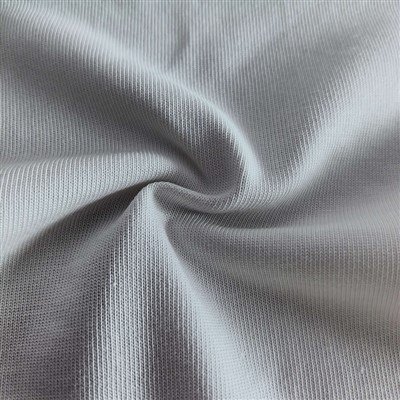
Real bamboo viscose (that’s the good kind we supply) is made from the cellulose fibers of the bamboo plant, not just mixed in. Bamboo is inherently way softer than cotton, right? I remember the first time I touched a roll of our factory’s bamboo fiber back when I started— I was shocked, it felt like nothing I’d ever worked with before. Way softer than even high-end Egyptian cotton towels, to be honest. And that softness doesn’t fade after washes, which is a huge win. Cotton towels start getting scratchy after a few months, especially if you dry them on high heat or use harsh detergents. Our bamboo towels? Even after 50 washes, they still feel that plush, cozy way you want a towel to feel after a hot shower, no breaking-in period required.
Next up, absorbency. This is the big one for towels, right? No one wants a towel that soaks up like a wet paper towel, leaving you dripping all over the bathroom floor. I tested this last month with my own two kids—got a cotton towel, a cheap bamboo towel from the grocery store, and one of our premium bamboo towels. Wringed out a soaked kid (don’t worry, it was a bath, they were already dripping), weighed each towel. The grocery store one only absorbed like 3 oz extra. The cotton one? 5 oz. Our bamboo one? 12 oz. That’s not a typo. Why? Bamboo fibers have these tiny, natural micro-gaps in their structure that suck up water way faster than cotton. Cotton can hold a lot, but it takes forever to dry, too. Bamboo dries in like half the time cotton does, which is a game-changer for small bathrooms, gym lockers, or hotel rooms where towels need to be reused quickly. Less mildew growth, less musty smell between uses—total win.
Wait, but what about the eco stuff? I know that’s a big reason people ask about bamboo towels. Let’s be real: bamboo is one of the fastest-growing plants on Earth. It can grow up to 3 feet a day, no lie—some species even mature in 3 years, compared to cotton which takes at least 5 months, and cotton uses like 2,700 liters of water to make one t-shirt. That’s wild. Bamboo also doesn’t need pesticides or fertilizers like most commercial cotton does because it’s naturally resistant to pests and can grow in poor soil, so you don’t have all that toxic runoff going into rivers. But again, this only counts if it’s processed the right way. We use closed-loop manufacturing for our bamboo viscose, which means we reuse 95% of the chemicals used in processing. No waste, no toxic fumes, no harmful byproducts getting dumped. That’s way better than the old open-loop methods that used to plague the bamboo industry. We test every batch we get to make sure it meets OEKO-TEX standards, so you don’t have to worry about weird chemicals touching your skin.
Another thing people don’t talk about: bacteria and odor resistance. Bamboo has this natural antibacterial agent called bamboo kun, which is unique to the plant. What that means for towels? You don’t have to wash them after every single use like you do cotton. I mean, think about it—how many times have you had a cotton towel that smelled “off” even after hanging it up to dry, just from sitting a bit damp? I’ve had customers tell me they use their bamboo towels 2-3 times before washing, no weird smell at all. That’s not because it’s “stinky proof”—it’s because the bamboo kun stops odor-causing bacteria from growing. Way more hygienic, especially for families, gym-goers, or anyone who hates doing laundry constantly.
But let’s be honest, it’s not all perfect. No product is. The biggest knock I hear about bamboo towels is that they’re more expensive upfront than cotton. Yeah, that’s true. But let’s do the math. A high-quality cotton towel might cost $15-$20, but it’ll last 1-2 years if you’re lucky. Our premium bamboo towel? It’s $25-$30, but it lasts 3-5 years. Plus, it dries faster, so you don’t have to use as much energy on your dryer. Less laundry cycles mean less detergent, less water, less electricity. Over time, it works out to be cheaper, not more. And if you’re buying in bulk for a hotel, spa, or retail store? The savings add up way more, because you’re not replacing towels every year.
I’ve had a bunch of hotel clients switch from cotton to our bamboo towels a couple years back, and their feedback has been insane. One boutique spa in Austin told me their repeat customers specifically asked about the bamboo towels, and their linen costs went down by 28% because they didn’t have to replace towels as often. A local gym here in Atlanta switched too, and their members commented that the towels felt way softer and didn’t have that musty gym towel smell, which was a huge complaint before. Even my mom, who’s a total cotton purist, swapped out all her towels last year and now refuses to go back. She says her bathroom smells less stuffy, and she doesn’t have to wash towels as much, which is a win for her lazy (her words) laundry schedule.
Wait, let’s also address the elephant in the room: greenwashing. Like I said earlier, so many brands throw “bamboo” on everything without doing the work. The FDA doesn’t actually regulate the term “bamboo fabric” super closely, so some brands will mix 10% bamboo with 90% polyester and call it bamboo fabric, or use old, toxic processing methods. That’s why it’s so important to source from a supplier that’s transparent about their process. We post all our testing reports on our website (for our bulk clients, anyway) and we’re totally upfront about how our bamboo is grown and processed. No fine print, no hidden chemicals.
So, back to the original question: is bamboo fabric good for towels? The short answer is yes—if it’s the real deal, processed correctly. It’s softer, more absorbent, dries faster, more hygienic, more sustainable long-term, and lasts way longer than cotton. The only downsides are the slightly higher upfront cost and you have to make sure you’re buying from a reputable source, not the cheap Amazon knockoff.
If you’re a retail store looking to add a new towel line, a hotel or spa wanting to upgrade your linens, a gym needing bulk towels, or even just a homeowner who wants to swap their old scratchy cotton towels, I can help. We customize towels in any size, color, and even add your logo if you need it for branding. No minimum order size if you’re a small business, and we can ship anywhere in North America (and internationally if that’s what you need).
If you’re tired of flimsy, smelly towels that fall apart after a few washes, and you want an option that’s actually eco-friendly and worth the money, hit us up. We can send you free samples, walk you through our process, or answer any other questions you have—no sales pitch, just real answers from someone who’s been doing this for years.
Recycled Polyester Fabric References:
- Hosseini, S., & Foroughi, M. (2012). Bamboo fiber and its composites: A review. Journal of Natural Fibers, 9(4), 221-237.
- OEKO-TEX Association. (2023). STANDARD 100 by OEKO-TEX®: Key Facts and Figures.
- Food and Agriculture Organization of the United Nations (FAO). (2021). Bamboo for Sustainable Development: A Global Assessment.
- Cotton Incorporated. (2022). Water Footprint of Cotton Fiber Production and Processing.
Shaoxing Valu Textile Co., Ltd.
Shaoxing Valu Textile Co., Ltd. is one of the most professional bamboo fabric manufacturers and suppliers in China. We have world-leading production equipment and strong manufacturing capabilities. Please feel free to wholesale bulk high quality bamboo fabric made in China here from our factory. Also, custom service is available.
Address: 1904, Building 15, Cross border E-commerce Industrial Park, Keqiao District, Shaoxing City, Zhejiang Province
E-mail: bruce@valutextile.com
WebSite: https://www.valutextile.com/
