Hey everyone, let’s talk about something that doesn’t get nearly enough hype in industrial setups: low-temperature industrial connectors. I run an industrial connectors supply business, and I can’t tell you how often customers brush off “extreme temp specs” until they’re stuck with a whole line of machinery dead in sub-zero conditions. That’s the thing—your standard off-the-shelf connector works great in a 70°F office, but stick it in a frozen outdoor worksite or a cold storage warehouse, and suddenly it’s flaking out, corroding, or just failing. That’s where these bad boys come in. Let’s break this down like we chat on a work floor, no jargon overload, just straight-up stuff you need to know. Industrial Connectors
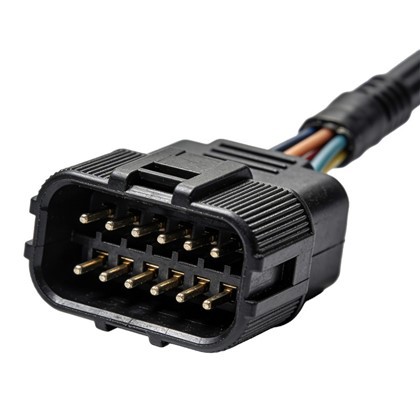
First, let’s define what we’re actually dealing with here. These aren’t your grandma’s pin connectors. Low-temp industrial connectors are purpose-built parts made to operate reliably in temps way below what your average industrial connector can handle. Most of them work in ranges from -40°F all the way down to a brutal -200°F, and some even lower for super niche stuff. But here’s the key: it’s not just “cold resistance.” They have to hold up under mechanical stress too—vibration, rough handling, dust, moisture—because if you’re in a low-temp spot, that environment is already harsh enough without your connector quitting when you need it most.
Why do regular connectors suck in the cold? Let’s be real, off-the-shelf ones are cheap, right? They’re made with standard plastics like ABS and bronze alloy terminals, and regular sealants. When the temp drops, those materials do weird things. The plastic gets brittle—cracks if you even look at it wrong. The terminals expand and contract at different rates (that’s called thermal mismatch, if you wanna get fancy), so the connection gets loose. The sealant turns hard and crumbly, so moisture (and not just regular water—think condensation that freezes solid) seeps in. Even the metal can corrode faster because low temps hold moisture longer, so it sits on the contacts instead of evaporating. That’s a recipe for downtime, and downtime costs you money—trust me, I’ve heard horror stories of food processing plants losing thousands an hour when their conveyor line connectors die in the walk-in freezers.
Now, what makes a low-temp connector actually work? Let’s get into the nitty-gritty without boring you. First, the materials. The plastic housings aren’t your run-of-the-mill stuff. We’re talking high-performance polymers like PEEK, PPS, or TPU that stay flexible even in deep freeze. TPU is great for places that need a little give—like connectors that get yanked around a lot in cold loading docks. PEEK is for super high-stakes stuff, like aerospace or oil rigs where temps are way below zero and vibration is nonstop. The terminals? No more bronze—we use things like gold-plated copper, stainless steel, or even phosphor bronze with a special coating that prevents brittleness. Gold plating is a big one because it doesn’t corrode easily, and it stays conductive even when cold. The seals? They’re made from silicone or EPDM rubber, not regular neoprene. Silicone stays rubbery at -100°F, while neoprene would turn to a rock and crack.
Then there’s the design stuff. A lot of low-temp connectors have a hermetic seal—meaning air and moisture can’t get in, period. That’s super important for places like cold storage, where every time you open a door, warm air rushes in and condenses on the connector. The contact design is also different—they’re usually a multi-point or spring-loaded design that compensates for that thermal expansion mismatch. So even if the metal parts shrink at different rates, the contacts stay pressed together, no loose connections. Some also have locking mechanisms that don’t freeze shut. I’ve seen regular connectors lock up because the sealant froze around the latch, so you can’t pull them apart when you need to. Low-temp ones have latches made of the same flexible rubber/plastic that doesn’t get brittle, so you can disconnect and reconnect them no problem, even with frozen gloves on.
Who uses these things? Let’s name the main industries, because if you’re not in one of these, you might still need ’em. First up: food and beverage. Walk-in freezers, cold storage warehouses, blast freezers for frozen goods. Imagine a frozen pizza line—your conveyor belts rely on these connectors to run 24/7, and if one fails, you’re throwing out thousands of dollars of product. Then there’s oil and gas—offshore drilling rigs in the Arctic, or pipelines running through cold northern states. Those setups are in temps way below -40°F, and if a connector fails out there, you’re not just fixing it—you’re waiting for a crew to fly out, and that’s expensive. Next: aerospace and defense. Satellites, military equipment, aircraft that fly at high altitudes where temps are super cold. Even renewable energy—wind turbines in places like Minnesota or Canada, where winter temps drop to -30°F. The turbine sensors and control boxes need connectors that don’t quit when it’s freezing. Oh, and medical devices—like cryogenic storage units for vaccines or lab samples, which need connectors that don’t fail when they’re sitting at -80°F or lower.
Now, common mistakes people make with these connectors. I see this all the time. First, buying the cheapest one you can find because you “only need it for cold.” No—if it’s rated for -20°F, and you’re running it in a -40°F freezer, that connector is gonna die fast. Always check the temp rating, and go a little lower than you actually need—like if your environment is -30°F, get a connector rated for -50°F, just to be safe. Second, not considering the other conditions. A connector rated for -100°F is useless if it’s also getting blasted with saltwater (like offshore rigs) and no corrosion resistance. Or if it’s in a place with super high vibration—you need a locking design that can handle that. Third, mixing and matching parts. Don’t use a standard seal with a low-temp housing. That’s like putting snow tires on a sports car in the summer—doesn’t mix, and it’ll fail when you need it. Fourth, not testing them. A lot of people just install them and cross their fingers. We always recommend doing a quick test—expose the connector to your actual low temp for a few days, check for continuity, make sure it doesn’t crack or leak, before you deploy it full-time.
Wait, let’s talk about a recent example that stuck with me. Last winter, we had a customer who ran a cold storage warehouse in upstate New York. They were using standard connectors on their inventory tracking scanners, and every time the temp dropped below -20°F, the scanner wouldn’t connect to the network. They had to replace connectors every week, which was a huge headache. We sent over a set of low-temp TPU connectors with gold-plated contacts and silicone seals. They’ve been using them for 6 months now, no issues. That’s the real payoff—these things aren’t just a cost, they’re an investment that saves you from downtime and replacement costs.
Another thing: maintenance. Even the best low-temp connectors need a little love. You can’t just install them and forget them. Check them periodically for any cracking in the housing, loose seals, or corrosion. If you see a seal starting to harden, replace it before it fails. And don’t use regular lubricants on the contacts—use a dielectric grease that’s rated for low temps, so it doesn’t get sticky or freeze.
Now, let’s bust a myth I hear all the time: “Low-temp connectors are only for super cold places.” No, not exactly. Some low-temp connectors are also designed for thermal cycling—so if your workspace goes from 70°F during the day to -40°F at night, those connectors handle the expansion and contraction way better than standard ones. They’re also more durable in general, so they last longer even in moderate temps, which is a bonus.
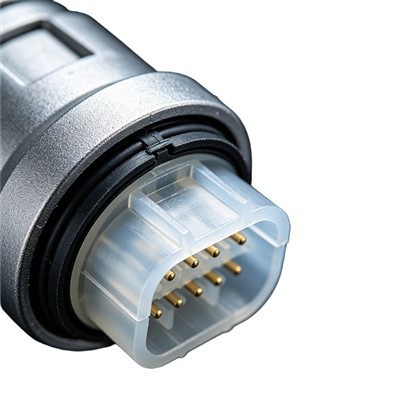
Wait, what about the different types? Let’s keep this simple, no long names. There’s circular low-temp connectors—those are the round ones, super common for industrial machinery, sensors, and field equipment. They’re rugged, easy to connect/disconnect, and have great seals. Then there’s rectangular low-temp connectors—flat, good for control panels, conveyor systems, and things that need to fit in tight spaces. They’re compact, so perfect for setups where space is limited. And there’s hermetic low-temp connectors—for super critical stuff, like cryogenic tanks or aerospace, where zero moisture or air can get in. They’re sealed so tight, they’re almost airtight, which makes them way more reliable in extreme conditions.
Now, if you’re in the market for these, what should you look for? First, match the temp rating exactly (with a little buffer). Second, check the material specs—housing material, contact plating, seal material. Third, think about the environment: vibration, moisture, dust, any chemicals. Fourth, make sure it’s compatible with your existing equipment—you don’t wanna have to rewire your whole setup just to switch connectors. And finally, work with a supplier that actually knows their stuff. A lot of suppliers just sell “industrial connectors” and don’t have a clue about low-temp specs. We test every low-temp connector we carry in our own lab, so we can tell you exactly what works for your setup, not just regurgitate specs off a website.
Here’s the thing I always tell customers: downtime in industrial settings isn’t just inconvenient—it costs you money, and sometimes even safety. If you’re working with products that need to stay frozen, or equipment that’s in a remote cold spot, a failing connector isn’t just a part to replace—it’s a line that’s down, or a repair crew waiting, or product that’s ruined. Low-temp connectors aren’t some fancy, overpriced part—they’re the thing that keeps your operation running when the temps drop.
At the end of the day, not all industrial connectors are created equal. Standard ones work for 90% of your setup, but the 10% that’s in cold conditions? That’s where low-temp industrial connectors earn their keep. If you’re dealing with temps below -20°F, or have had issues with connectors failing in cold environments, we’re here to help. We can walk you through what you need, answer any questions, and make sure you get the right connectors that fit your setup without overpaying for stuff you don’t need. Don’t wait till your next cold-weather breakdown—reach out anytime to talk through your needs. We’re not just a connector supplier, we’re the people who help you keep your operation running, no matter how cold it gets.
Connector Accessories References
- Industrial Connector Technology: Low-Temperature Performance and Material Selection, IEEE Transactions on Components and Packaging Technologies
- Handbook of Industrial Connectors: Design, Materials, and Application, CRC Press
- Low-Temperature Durability Testing Standards for Electrical Connectors, International Electrotechnical Commission (IEC) 60512-1-1
Modelon Precision Industry (Suzhou) Co., Ltd.
With abundant experience, we are one of the most professional industrial connectors manufacturers and suppliers in China. Welcome to buy customized industrial connectors at competitive price from our factory. If you have any enquiry about pricelist, please feel free to email us.
Address: 1st Floor, Building 22, No. 2628 North Gate Road, Kunshan City, Jiangsu Province, P.R.China
E-mail: jessica_huang2025@163.com
WebSite: https://www.modeloncn.com/
