If you’ve ever worked on a home renovation project, a DIY custom part, or a small industrial repair, chances are you’ve had to choose the right adhesive or bonding material to get the job done. As a polyester resins supplier, I get asked one question more often than any other: Can you use polyester resin on plastic? It’s a straightforward question, but the answer isn’t a simple yes or no. The truth depends on the type of plastic, the surface preparation, and the specific grade of polyester resin you’re working with—all of which I’ve learned through years of not just selling these materials, but testing them in our own lab and troubleshooting for hundreds of customers. Polyester Resins
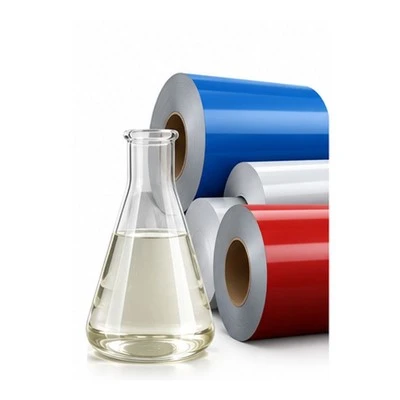
Let’s start with the basics, because a lot of confusion comes from mixing up different types of plastic and different formulations of polyester resin. First, polyester resin (the type we supply, often called unsaturated polyester resin, or UPR for short) is a thermoset polymer, meaning it hardens into a permanent, rigid shape when mixed with a catalyst. It’s most commonly used for fiberglass layup, casting molds, boat repairs, and even automotive body filler. Plastics, on the other hand, come in two broad categories: thermoplastics (which melt when heated and can be reshaped) and thermoset plastics (which harden permanently and don’t melt). That difference is the first big factor in whether your bond will hold.
For starters, polyester resin works surprisingly well on many common thermoplastics—just not all of them. Let’s talk about the ones that do work: ABS (acrylonitrile butadiene styrene), PVC (polyvinyl chloride), and acrylic (PMMA, often called plexiglass). I see this all the time with small business customers who make custom plastic sign frames or repair broken ABS toy parts. Last year, a local woodworking client of ours needed to repair a broken ABS handle for a vintage router. He tried epoxy first, which cracked after two uses, then reached out for our general-purpose polyester resin. We advised him to lightly scuff the plastic surface, wipe it with isopropyl alcohol, and use a small amount of our resin mixed with a 2% methyl ethyl ketone peroxide (MEKP) catalyst, which is standard for most repairs. He told us later the bond has held for over a year of heavy use. Why does that work? ABS and PVC have relatively high surface energy, which means the resin’s molecules can spread out and create mechanical bonds when the surface is properly prepped, rather than just sitting on top. Acrylic works too, though it’s trickier: acrylic can sometimes be dissolved by certain chemicals in polyester resin, so we always recommend testing a small, unseen spot first. If the acrylic doesn’t fog or soften, the bond will hold strong.
Now, the plastics that don’t play nice with polyester resin: polyethylene (PE) and polypropylene (PP). These are low-surface-energy plastics, often used for milk jugs, plastic bags, food containers, and outdoor furniture. Their smooth, non-porous surface means polyester resin can’t get a firm mechanical grip, so the bond will almost always peel or crack over time. A lot of first-time DIYers don’t know this—they’ll grab a can of polyester resin for a garden chair repair, only to have the whole patch fall off after a week. We’ve had to walk dozens of customers through this mistake, explaining that for PE and PP, you need a special adhesive primer first, or a modified polyester resin formulated to stick to low-surface-energy materials. That’s one of the reasons we carry specialty grades of polyester resin, not just the standard fiberglass layup type. We also offer a bonding primer designed specifically for plastic, which is a cheap, easy fix for those tricky PE and PP repairs.
Surface preparation is the make-or-break step, even when you’re working with the right plastic and the right resin. I’ve seen customers skip this step and get frustrated when their bond fails, and it’s almost always because they didn’t prep the surface correctly. Let’s break down the steps we recommend every time you bond polyester resin to plastic, no matter the type. First, clean the surface thoroughly. Any dirt, grease, dust, or old adhesive will create a barrier between the resin and the plastic. We use isopropyl alcohol (91% or higher, never rubbing alcohol with added moisturizers) because it evaporates quickly and leaves no residue. If the plastic has old paint or a glossy factory finish, you need to scuff it. Light sanding with 120 to 220-grit sandpaper creates tiny grooves for the resin to grip into. Don’t overdo it—you just need to remove the glossy layer, not sand down the entire part. For the specialty low-surface-energy plastics like PE and PP, we also recommend applying a thin coat of our plastic primer, letting it cure for 15 minutes, before applying the polyester resin. That small step can turn a failed bond into a permanent one.
Another common mistake: using the wrong grade of polyester resin for the job. If you’re bonding a small part for a kids’ toy, a general-purpose room-temperature-curing resin works fine. But if you’re doing a structural repair for a boat hull or a heavy-duty automotive part, you need a higher-strength, corrosion-resistant grade. A few years ago, a boat builder came to us with a problem: he’d tried to bond a new PVC keel guard to his boat’s ABS hull using a cheap, low-grade polyester resin he bought at a hardware store. Within a month, the guard had pulled away, and the resin had started to degrade in saltwater. We switched him to our marine-grade polyester resin, which has additives that resist water and UV damage, and advised him to use a slightly higher catalyst ratio (2.5% instead of 2%) for a faster, stronger cure. He reported that the bond is still intact after three seasons in the ocean. That’s why it’s important to match your resin grade to both the plastic and the environment it’s in.
I also want to address a question I get a lot from industrial customers: Can you use polyester resin to coat plastic parts for industrial use? The short answer is yes, but again, it depends on the plastic and the coating’s purpose. If you’re looking to add a scratch-resistant layer to plastic machine parts, polyester resin works well as a coating, especially if the plastic is ABS or PVC. The resin’s rigid structure protects the plastic from abrasion, and it can be pigmented or textured to match the part’s design. But if you’re coating a part that will be exposed to harsh chemicals, like solvents or acids, polyester resin is not the best choice—epoxy or polyurethane coatings are more resistant. We always advise customers to share what the part will be used for, so we can point them to the right resin or alternative material, rather than guessing.
What about myths I hear all the time? One big one is that polyester resin will melt plastic. That’s not true for most common plastics, as long as you use the right grade. The only time this happens is with certain thin, heat-sensitive plastics like polystyrene (the foam used in packaging or disposable cups). Polystyrene is very vulnerable to the solvents in polyester resin, so applying resin to it will cause it to dissolve or warp. That’s why we always warn customers to test an inconspicuous spot first, especially with less common plastics. Another myth: any polyester resin will work on any plastic. We’ve had customers bring in parts that failed because they used a resin formulated for fiberglass layup on a small plastic casting. That resin is too thick, and it cures too fast for thin plastic parts, leading to a weak bond. Our specialty casting-grade resin is thinner, so it spreads evenly on plastic surfaces and cures to a flexible but strong finish, perfect for small repairs or custom plastic parts.
As a supplier, our job isn’t just to sell you polyester resin—it’s to make sure you use it correctly, so your projects work the way you want them to. I’ve seen too many people waste time and money on the wrong resin or bad prep work, which is why we make a point to walk every customer through the details, even if it’s just a small repair. Whether you’re a DIY homeowner fixing a patio chair, a small business owner making custom plastic components, or a large industrial manufacturer needing a consistent resin for production, we can help you find the right product and the right process for your needs.
If you’re working on a project and aren’t sure if polyester resin will work for your plastic part, we’re here to help. We’ve tested our resin on dozens of plastic types, and we can guide you through surface prep, resin selection, and cure times to make sure your bond holds. Contact our team to discuss your project, and we’ll provide the tailored advice and materials you need to get it done right.
Polyester Resins References
- Calcano, C., & Hine, P. J. (2018). Adhesion mechanisms between thermoset polyester resins and thermoplastic substrates. Journal of Adhesion Science and Technology
- American Composites Manufacturers Association. (2021). Guide to Selecting Polyester Resins for Composite Repairs
- Plastics Industry Association. (2020). Surface Preparation Best Practices for Bonding Thermoplastics
Ping Yuan Wen Te Industry Co., Ltd.
As one of the most professional polyester resins manufacturers and suppliers in China, we also support customized service. Please feel free to wholesale high quality polyester resins in stock here from our factory. Welcome to contact us for quotation.
Address: Longmen Economic Development Zone, Pingyuan County, Dezhou City, Shandong Province
E-mail: pywente@outlook.com
WebSite: https://www.wenteglobal.com/
