Proper storage of header connectors is crucial for maintaining their quality and functionality. As a supplier of header connectors, I understand the significance of this aspect. In this blog, I’ll share some in – depth knowledge on how to store header connectors properly. Header Connector
Understanding the Characteristics of Header Connectors
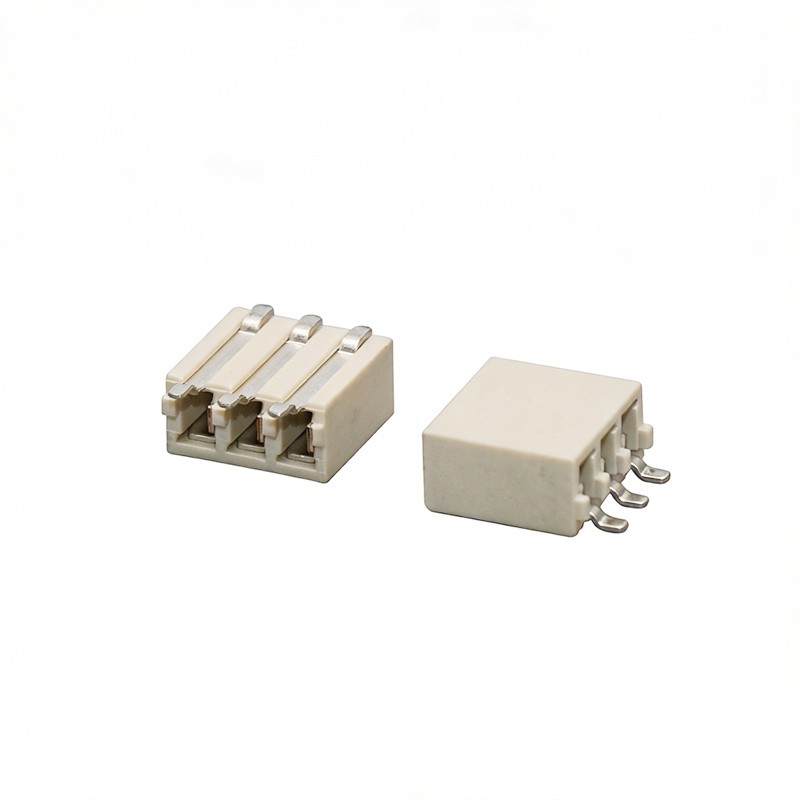
Before delving into storage methods, it’s essential to understand the nature of header connectors. Header connectors are typically made of metal pins and plastic housings. The metal pins are prone to oxidation, corrosion, and mechanical damage, while plastic housings can be affected by environmental factors such as temperature, humidity, and UV radiation.
Environmental Conditions for Storage
Temperature
The ideal temperature range for storing header connectors is between 10°C and 35°C. Extreme temperatures can cause several problems. High temperatures can lead to the softening of the plastic housing, which may result in deformation of the connector. This deformation can affect the proper mating of the connector with other components, leading to poor electrical conductivity. On the other hand, low temperatures can make the plastic brittle, increasing the risk of cracking during handling.
For instance, if the header connectors are stored in a warehouse where the temperature exceeds 35°C for an extended period, the plastic housing might start to lose its shape. The pins may also expand due to thermal expansion, which can cause misalignment. In a cold environment below 10°C, when the connectors are moved or installed, the brittle plastic may break, rendering the connector useless.
Humidity
Humidity is another critical factor. The relative humidity should be maintained between 30% and 60%. High humidity can cause moisture to condense on the metal pins of the header connectors. This moisture can accelerate the oxidation process, forming a layer of oxide on the surface of the pins. Oxidation increases the electrical resistance of the pins, which can lead to signal loss, overheating, and even complete failure of the electrical connection.
In areas with high humidity, such as coastal regions, special attention must be paid to humidity control. For example, if the relative humidity in a storage area reaches above 60% for a long time, the metal pins of the header connectors will gradually turn dull due to oxidation. In contrast, extremely low humidity (below 30%) can cause static electricity to build up. Static discharge can damage the sensitive electronic components within the connector, especially in high – speed or high – precision applications.
Light and UV Radiation
Header connectors should be stored in a dark or low – light environment. Prolonged exposure to direct sunlight or strong artificial light, especially UV radiation, can cause the plastic housing to degrade. UV radiation breaks down the chemical bonds in the plastic, making it brittle, discolored, and less durable. This can compromise the mechanical integrity of the connector and affect its ability to hold the pins securely.
Storage Containers and Packaging
Anti – Static Bags
Using anti – static bags is a fundamental step in storing header connectors. These bags are designed to prevent the build – up and discharge of static electricity. Static electricity can cause electrostatic discharge (ESD) events, which can damage the internal circuitry of the connectors. Anti – static bags are made of materials that dissipate static charges, protecting the connectors from ESD damage.
When placing header connectors in anti – static bags, it’s important to ensure that the bags are sealed properly. Any opening in the bag can allow static electricity to enter and potentially damage the connectors. Additionally, the bags should be labeled clearly with information such as the type of connector, quantity, and date of storage.
Plastic Trays or Boxes
Plastic trays or boxes can be used to organize and protect header connectors. These containers provide physical protection against mechanical damage. They can prevent the connectors from being crushed, bent, or scratched during storage and handling.
When using plastic trays or boxes, it’s advisable to separate different types of header connectors. This helps in easy identification and retrieval. For example, you can use dividers within the tray to keep connectors of different sizes and pin configurations separate. Also, the trays or boxes should be made of high – quality plastic that is resistant to environmental factors such as temperature and humidity.
Vacuum Packaging
For long – term storage, vacuum packaging can be an excellent option. Vacuum packaging removes the air from the packaging, reducing the presence of oxygen and moisture. This helps to prevent oxidation of the metal pins and degradation of the plastic housing.
However, it’s important to note that not all header connectors are suitable for vacuum packaging. Some connectors with special coatings or materials may be affected by the vacuum conditions. Before using vacuum packaging, it’s necessary to consult the manufacturer’s recommendations.
Storage Location
Clean and Dust – Free Areas
Header connectors should be stored in clean and dust – free areas. Dust particles can accumulate on the pins and in the housing of the connectors. These particles can act as insulators, increasing the electrical resistance between the pins and other components. They can also cause mechanical interference, preventing the proper mating of the connectors.
Regular cleaning of the storage area is essential. This can be done by using vacuum cleaners or compressed air to remove dust from the shelves, floors, and storage containers.
Away from Chemicals and Solvents
Header connectors should be kept away from chemicals and solvents. Chemicals such as acids, alkalis, and organic solvents can react with the metal pins and plastic housing of the connectors. These reactions can cause corrosion of the pins, discoloration of the plastic, and even structural damage to the connector.
For example, if a storage area is near a chemical storage room where acids are stored, the fumes from the acids can corrode the metal pins of the header connectors over time.
Handling During Storage
Proper Lifting and Placement
When handling header connectors during storage, proper lifting and placement techniques should be followed. Connectors should be lifted gently to avoid bending or breaking the pins. They should be placed in the storage containers carefully to prevent any impact damage.
For instance, if a worker grabs a large quantity of header connectors roughly and throws them into a tray, some of the pins may get bent. This can make the connectors unusable or require additional rework.
Inventory Management
Maintaining an accurate inventory is crucial for proper storage. By keeping track of the quantity, location, and age of the header connectors, you can ensure that older stock is used first. This is known as the “first – in, first – out” (FIFO) principle. It helps to prevent the storage of connectors for an extended period, which can increase the risk of degradation.
Monitoring and Maintenance
Regular Inspections
Regular inspections of the stored header connectors are necessary. These inspections can help to detect any signs of damage, oxidation, or degradation early. Inspectors should check the condition of the metal pins, the integrity of the plastic housing, and the overall appearance of the connectors.
If any signs of damage or degradation are found, appropriate measures should be taken immediately. For example, if oxidation is detected on the pins, the connectors can be cleaned using a suitable cleaning agent.
Environmental Monitoring
Continuous monitoring of the storage environment is essential. Temperature and humidity sensors can be installed in the storage area to keep track of the environmental conditions. If the temperature or humidity goes out of the recommended range, corrective actions such as adjusting the heating or cooling systems or using dehumidifiers or humidifiers should be taken.
Conclusion

Proper storage of header connectors is a multi – faceted process that requires attention to environmental conditions, storage containers, storage location, handling, and monitoring. By following these guidelines, you can ensure that your header connectors remain in good condition for a long time, maintaining their quality and functionality.
BMS Connector As a reliable supplier of header connectors, I am committed to providing high – quality products and sharing professional knowledge. If you are interested in our header connectors or need more information on storage and usage, feel free to contact me for procurement discussions. I look forward to serving you and meeting your connector needs.
References
- “Electronic Component Packaging and Storage Guidelines” by industry experts in electronics.
- Technical reports from major connector manufacturers focused on header connector storage.
- Research papers on the impact of environmental factors on electronic components.
Wenzhou JKUN Connector Co., Ltd.
As one of the most professional header connector manufacturers and suppliers in China, we’re featured by quality products and low price. Please rest assured to wholesale bulk customized header connector from our factory. For quotation and free sample, contact us now.
Address: No.2667, Ningkang East Road, Yueqing City, Zhejiang Province, China
E-mail: sales@cnjkun.com
WebSite: https://www.jkunjcj.com/
