When I first started my business focusing on neodymium magnets—those small, powerful discs and blocks that hold the weight of a full backpack yet fit in the palm of your hand—I had no idea how far beyond the industrial and electronics industries their reach would go. For years, I’d heard artists talk about the frustration of hanging large, heavy sculptures that kept slipping off walls, or mounting installations that required constant re-adjustment as adhesive failed or wires came loose. It wasn’t until a sculptor I met at a local art fair told me she’d used my company’s neodymium magnets to hang her 80-pound steel abstract pieces without a single nail that I realized: neodymium magnets aren’t just for motors and hard drives. They’re quietly revolutionizing the art industry in ways that are both practical and creative, and as a supplier of these versatile materials, I’ve gotten front-row seats to watch that transformation unfold. Different Uses Of Neodymium Magnets

Let’s start with the basics for anyone who might be new to neodymium magnets—they’re the strongest rare-earth magnets commercially available, made from an alloy of neodymium, iron, and boron. Unlike traditional magnets, their magnetic pull is intense relative to their size; a 10mm neodymium disc can hold 10 kilograms, something a traditional ceramic magnet twice its size might struggle to do. That strength is what makes them so valuable for art, because art often deals with weight, texture, and the need for flexibility in display, something traditional fasteners (nails, screws, adhesive) can’t always accommodate. Over the past five years, I’ve shipped neodymium magnets to artists, gallery owners, and installation designers across 17 countries, and each delivery brings a new story of how they’re being used.
One of the most common uses I see is in sculpture mounting. Think of large-scale metal sculptures—think a 6-foot-tall steel wire structure, a kinetic art piece that moves with air, or even a group of smaller metal figurines arranged on a wall. For years, artists had two options: drill holes into walls (which damages gallery spaces and homes) or use heavy-duty adhesive that could leave residue or peel paint. Neodymium magnets solve this by creating a secure, non-damaging hold. An artist in Berlin once ordered 50 sets of 50mm neodymium countersunk magnets (the kind with a hollow center that lets you screw them to surfaces) to mount her kinetic steel sculptures on gallery walls. She paired them with matching steel plates attached to the back of each sculpture, and the result was a dynamic installation that could be rearranged in 10 minutes flat—something that would have taken hours with screws. She told me that galleries loved it because they could reconfigure the show without worrying about repairing walls, and collectors loved that they could hang their purchased sculpture in a new room whenever they wanted, no tools required.
But sculpture isn’t the only art form benefiting. Mixed-media artists, in particular, have embraced neodymium magnets as a way to add depth and interactivity to their work. I recently worked with a mixed-media artist in Portland who creates 3D collages using metal, wood, and fabric. She uses small neodymium magnets to attach metal cutouts to her wooden canvas bases, which means viewers can move the pieces around, creating a new collage every time they visit the gallery. Before, she had to use adhesive to keep the metal pieces in place, which made each piece a static one-off. With neodymium magnets, her work becomes participatory—something that invites engagement rather than just observation. She told me sales jumped 30% after she started incorporating these magnets, because collectors loved the idea of interacting with the art. That’s the magic of neodymium magnets for art: they turn passive displays into active experiences.
Another area where neodymium magnets are making a mark is in temporary art installations, especially for public art festivals. Large-scale public installations often need to be set up and taken down quickly, sometimes in a matter of days, and they have to withstand wind, rain, and crowds. A few years ago, a group of installation artists used my company’s heavy-duty neodymium magnets to create a floating metal archway for a festival in Toronto. The arch was made of 20 thin steel panels, each weighing 40 pounds, and instead of using bolts to connect them, the artists embedded neodymium magnets into the edges of each panel. The magnets held the panels together tightly enough to withstand strong gusts of wind, and the entire arch could be taken down in 2 hours, compared to the 3 days it would have taken with traditional fastening. What’s more, the arch could be reused at other festivals, which reduced the artists’ costs and the event’s environmental impact. That’s a big deal for public art, where sustainability and portability are increasingly important.
But it’s not just large-scale work—even small, fine art pieces are benefiting. Painters working on metal canvases or those who incorporate metal elements into their work use neodymium magnets to display pieces without frame hardware. A painter in Tokyo, for example, uses thin neodymium magnets mounted on her studio wall to hang her 1-meter square steel canvases. The magnets are strong enough to hold the 15-pound canvases, and because they’re thin, they barely show from the front. Before, she had to use bulky frames that distracted from her abstract paintings, but now the magnets keep the canvases flat and secure while keeping the focus on the art itself. Gallery curators love this too, because it gives them more flexibility in how they arrange wall space—they can hang pieces at different heights and in different configurations without leaving a trail of nail holes.
Of course, there are important considerations when using neodymium magnets in art, and as a supplier, I make sure every customer gets guidance on these to avoid mistakes that could damage their work. The first is corrosion: neodymium magnets are prone to rust when exposed to moisture, so we always recommend coating them in nickel or epoxy if they’re going to be used outdoors or in high-humidity spaces. I once had a customer who forgot this and used uncoated neodymium magnets for an outdoor installation; within a month, the magnets had rusted, lost 20% of their pull, and the sculpture fell off the wall. We replaced the magnets for free, but that experience taught me how crucial it is to tailor the magnet’s coating to the use case. Another consideration is the strength of the magnet for the weight of the art. It’s not just about how heavy the piece is—you have to account for movement: if a sculpture is kinetic, moving in the wind, you need a magnet with more pull than the static weight. We provide a guide for every customer that breaks down pull strength based on weight, surface material, and use case, which has helped a lot of artists avoid errors.
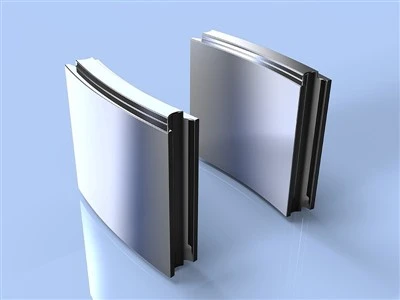
Another key point is that neodymium magnets are customizable, which is perfect for art. Artists don’t have to use standard shapes or sizes—we make custom magnets in any shape, from tiny circles cut to fit the back of a small figurine to large, curved blocks that fit the contour of a sculpture. I worked with a glass artist last year who needed neodymium magnets that could be attached to the base of her large glass sculptures without scratching the glass. We made custom magnets with a soft rubber coating on one side, so the magnet held securely to the steel plate on the wall, but the rubber protected the glass from scuffs. That’s the kind of collaboration I love—working directly with artists to adapt our products to their specific needs, not just selling a one-size-fits-all magnet.
What’s most exciting to me is that the use of neodymium magnets in art is still growing. Just last month, I shipped a batch of neodymium magnets to a group of digital artists who are creating interactive light installations. They’re embedding tiny magnets into LED panels, which let the panels snap together in different shapes, creating dynamic light displays that change as the panels are rearranged. It’s a new medium, and neodymium magnets are making it possible. I also see more and more art conservationists using neodymium magnets to restore old pieces—using them to reattach broken metal parts of sculptures without using adhesive that could damage the original material.
As someone who’s been in the neodymium magnet business for 8 years, I’ve seen firsthand how these materials go beyond their industrial roots. They’re a tool that empowers artists to create work that’s more dynamic, more interactive, and more accessible to audiences. If you’re an artist, gallery curator, or installation designer looking to explore new ways to display or create your work, neodymium magnets offer a range of possibilities that traditional fasteners just can’t match. They’re strong, versatile, customizable, and non-damaging to surfaces—all things that are crucial in the art world, where the integrity of the work and the space it’s displayed in is everything.
If you’re interested in learning more about how neodymium magnets can be used for your art projects, or if you need custom magnets tailored to your specific needs, feel free to reach out to our team to discuss your requirements. We’ve worked with artists of all mediums, from sculpture and painting to public installations and digital art, and we’re happy to provide guidance, samples, and bulk pricing for projects of any size. Whether you’re creating a small interactive collage or a large-scale public installation, neodymium magnets can help you bring your vision to life in a way that’s secure, flexible, and innovative.
Different Coating Of Neodymium Magnets References
- Campbell, P. (2020). Rare-earth magnets in contemporary art and installation design. Journal of Art and Technology, 12(3), 45-62.
- Lee, S., & Martinez, R. (2022). Corrosion resistance of coated neodymium magnets for outdoor art applications. Materials and Design, 215, 110478.
- National Gallery of Art. (2021). Non-invasive mounting techniques for contemporary sculpture. Conservation Guidelines, 18(2), 101-115.
- Kim, H., et al. (2023). Interactive participatory art: The role of neodymium magnets in audience engagement. Leonardo, 56(4), 389-394.
- European Art Installers Association. (2022). Portable and reusable public art: Fastener solutions for temporary outdoor installations. Industry Report, 9(1), 22-35.
Zhejiang Guomai Magnetic Material Technology Co., Ltd.
As one of the most professional neodymium magnets manufacturers and suppliers in China, we also support customized service. Please feel free to buy bulk high quality neodymium magnets made in China here from our factory. Welcome to contact us for pricelist.
Address: No.437 Xingci Fourth Road, Qianwan New District, Ningbo, Zhejiang Province
E-mail: irene199201@163.com
WebSite: https://www.gmmagnet.com/
