If you’ve ever worked in a garden, construction site, or even a busy backyard, you know a wheelbarrow is one of the hardest-working tools around. But if you’re a supplier of wheelbarrows—like I am—you’ll also know that good design and solid build quality only get you so far. The way a wheelbarrow is stored can make a huge difference in how long it lasts, how well it performs, and how many times a customer has to replace it. I’ve seen this firsthand over the years: customers who store their wheelbarrow haphazardly come to me within a year with rusted axles, warbed tubs, or cracked handles, while those who follow proper storage practices have theirs still running like new after five or more years. So today, I want to share what I’ve learned about the best way to store a wheelbarrow, drawing on both my experience as a supplier and the science of tool durability. Wheelbarrows
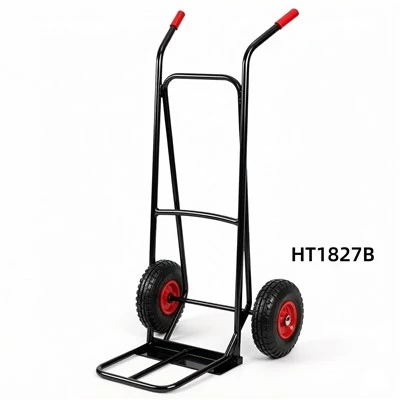
First, let’s talk about why storage matters. A wheelbarrow isn’t just a metal tub with handles and a wheel—it’s a system of materials that interact with the environment. Most wheelbarrow components are made of steel (for the tub, axles, and wheel frame), wood or plastic (for handles), and rubber (for the tire and inner tube). Each of these materials has its own vulnerabilities. Steel rusts when exposed to moisture, wood rots or warps if it stays damp, plastic can become brittle in extreme temperatures, and rubber cracks if it’s not protected from sun and cold. Bad storage accelerates all of these issues, turning a reliable tool into a scrap heap before its time. That’s why getting storage right isn’t just about keeping your space organized—it’s about protecting an investment.
Let’s start with the most basic rule: keep it off the ground. I can’t tell you how many customers tell me they leave their wheelbarrow in the yard, dumped in a flower bed, or propped against a wall with one wheel on the grass. Grass and soil hold moisture, and when a wheelbarrow sits with its tub in contact with wet ground, the steel tub starts rusting from the bottom up. Even if it’s a plastic tub, sitting in standing water can cause the tire to get flat spots, and the wooden handles (if that’s what you have) can absorb water and split. The science here is simple: moisture is the enemy of metal and wood. When two dissimilar materials (like steel and damp soil) sit together, electrolysis can start, speeding up rust. So off the ground is non-negotiable.
What’s the best way to get it off the ground? There are a few options, depending on your space. If you have a garage or a shed, wall mounts are ideal. These are simple brackets that screw into a stud in the wall, holding the wheelbarrow by its handles (or sometimes by the wheel) so the tub is suspended several inches above the floor. I recommend mounts that angle the tub slightly downward—this is important for drainage. Any water that gets into the tub (from rain, mud, or cleaning) will flow out instead of pooling at the bottom, which prevents rust. For customers who don’t want to install wall mounts, I often recommend a wheelbarrow stand. These are lightweight, portable metal stands that hold the wheelbarrow upright, keeping the tub off the ground and the wheel off a flat surface. They’re perfect for people who store their wheelbarrow in a driveway or patio, where drilling into the wall isn’t an option.
Next, let’s think about wheel care. The wheel is a often overlooked part of storage, but it’s one of the most used. A flat or improperly inflated tire can develop permanent flat spots if left sitting in the same position for weeks or months. Even if it’s a pneumatic tire (the kind with an inner tube, like a bike tire), low pressure makes the sidewall stretch, leading to weak spots or even a blowout when you use it next time. So when storing a wheelbarrow, make sure the tire is properly inflated. For pneumatic tires, that means checking the pressure with a gauge—most wheelbarrow tires need between 20 and 30 PSI. For flat-free tires (the solid rubber kind), you don’t have to worry about pressure, but you still want to make sure the tire isn’t sitting on a hard surface for long. If your driveway is concrete, putting a piece of plywood or a rubber mat under the tire can prevent it from cracking over time, especially in cold weather.
Moisture control is another big one. Even if your wheelbarrow is off the ground, if it’s stored in a damp space, it will still rust. Basements, unheated garages, and sheds that leak are all bad for wheelbarrows. If you have to store your wheelbarrow in a damp area, a simple trick I recommend is to put a bag of silica gel (the kind that comes with shoes or electronics) inside the tub. Silica gel absorbs moisture from the air, keeping the inside of the tub dry. Alternatively, you can wipe the entire wheelbarrow down with a dry cloth before storing it—this is a habit I tell all my customers to get into. If you’ve used the wheelbarrow for a muddy job, like moving compost or soil, hosing it off and drying it completely before putting it away is non-negotiable. Even a thin layer of mud or dirt holds moisture, which can trap it against the metal tub and cause rust to start.
Temperature and sunlight also play a role, especially for rubber and plastic components. If you store your wheelbarrow outside in direct sunlight all year, the UV rays from the sun will break down the rubber tire, making it brittle and cracked. Plastic tubs can fade and become brittle too, and wooden handles can dry out and split in extreme heat. On the flip side, storing a wheelbarrow in an unheated space where temperatures drop below freezing can be bad for pneumatic tires, as cold makes rubber less flexible and more prone to cracking. The best storage space is a cool, dry, shaded area—like a garage, a shed, or a covered patio. If you have to leave it outside for a short time, invest in a heavy-duty wheelbarrow cover. These are waterproof, UV-resistant, and fit snugly over the entire tool, protecting it from rain, snow, and sun. I sell these covers as part of my product line, and they’re one of the most popular accessories my customers buy, because they’re cheap and extend the life of the wheelbarrow by years.
Another common mistake I see is storing the wheelbarrow with the tub full of debris. A lot of people will dump a load of mulch or concrete in the tub and leave it there for weeks, thinking it’s easier than cleaning it out. But wet concrete is highly corrosive—it will eat through metal in a matter of months, and even a layer of dry dirt can hold moisture against the tub. Wood handles can also get warped if they’re pressed against a heavy load that’s sitting in the tub. So before storing your wheelbarrow, always empty the tub completely. If you have leftover material, store it in a sealed container or bag, not in the wheelbarrow.
What about different types of wheelbarrows? I sell a range of wheelbarrows—from small plastic tub ones for gardening to heavy-duty steel tub ones for construction, and even two-wheeled models for people who need more stability. The storage rules apply to all, but there are small adjustments for each. For two-wheeled wheelbarrows, it’s even more important to keep the tub off the ground, because the two wheels mean more surface area in contact with the ground. Wall mounts work well here, as they lift both wheels off the floor. For small garden wheelbarrows, which are often used more frequently, you might be tempted to leave them in the garden, but even a small plastic tub will get dirty and dull if left exposed. A covered stand near the garden gate is a good compromise, so it’s easy to grab when you need it, and protected from the elements.
I also want to talk about long-term storage, if you’re not going to use your wheelbarrow for months—like if you live in a place with harsh winters, and you store it over the cold season. For long-term storage, I recommend taking a few extra steps. First, give the entire wheelbarrow a deep clean: wash the tub, scrub the handles, and wipe down the wheel. Then, lubricate the axles and the wheel mechanism. A light coat of WD-40 or a similar lubricant will prevent rust from forming on the moving parts, so when you take it out next spring, it will roll smoothly. For the tire, if it’s a pneumatic one, you can let the air out slightly (not completely) to take pressure off the sidewall, which prevents flat spots. Then, cover it with a tarp or a cover, and store it in a dry place.
Over the years, I’ve tested all of these practices with my own tools, and I’ve seen the difference they make. Last year, a customer brought in a wheelbarrow he’d had for 12 years—he’d stored it on a wall mount in his insulated garage, always cleaned and dried it after use, and used a cover during the summer when he wasn’t using it. The tub was almost rust-free, the tire still held air, and the handles were solid. That’s the kind of durability I want all my customers to get from a wheelbarrow they buy from me.
At the end of the day, storing a wheelbarrow isn’t complicated. It’s about keeping it dry, off the ground, protected from sun and rain, and clean. These simple steps prevent the small problems that add up to big repairs or replacements. As a supplier, my goal isn’t just to sell a wheelbarrow—it’s to make sure our customers get years of use out of it. That’s why I always include a storage guide with every wheelbarrow we sell, and I encourage customers to reach out if they have questions about storage, maintenance, or anything else related to their tools.

If you’re in the market for a new wheelbarrow, or if you want to stock up for your business, we have a range of options—from light-duty garden models to heavy-duty construction ones, plus all the accessories you need for storage and maintenance. Whether you’re a homeowner looking for a reliable tool for your backyard, or a contractor needing durable wheelbarrows for a job site, we can help you find the right fit. Don’t hesitate to get in touch to discuss your needs, ask questions, or place an order. We’re here to make sure your wheelbarrow lasts as long as it should.
Hand Trucks References:
- Tool Storage and Durability: A Guide to Preserving Hand Tool Lifespan. DIY Research Institute, 2022.
- Corrosion Prevention for Metal Tools. National Association of Corrosion Engineers, 2021.
- Rubber Tire Degradation from UV Exposure and Temperature Fluctuations. Rubber Manufacturers Association, 2020.
- Best Practices for Wood Tool Handle Care. American Woodworking Association, 2023.
- Wheelbarrow Maintenance and Storage Guidelines. Construction Equipment Industry Association, 2022.
Qingdao Herzhe Tools Manufacturing Co., Ltd.
Qingdao Herzhe Tools Manufacturing Co., Ltd. is one of the most professional wheelbarrows manufacturers and suppliers in China. We have world-leading production equipment and strong manufacturing capabilities. Please feel free to buy advanced wheelbarrows at competitive price from our factory.
Address: No. 406 Shuangfushan Road, Baoshan Town, Qingdao CHINA
E-mail: herzhetool@163.com
WebSite: https://www.herzhetoolsmfg.com/
