If you’ve ever held a perfectly smooth, blemish-free mechanical part—think a valve seat that seals airtight, a bearing race that spins with minimal friction, or a semiconductor wafer flat enough to pass nanoscale thickness tests—you’ve likely seen the result of flat lapping. As a supplier who’s worked with this material for more than 12 years, I’ve learned that the quality of a lapping job depends far more on choosing the right compound than on the lapping machine or technique. Too many buyers reach for the first generic compound they find, only to end up with scratches, uneven material removal, or parts that fail tolerance checks. The truth is, flat lapping compounds aren’t one-size-fits-all; they’re formulated for specific applications, materials, and desired outcomes. Today, I’m breaking down the most common types, how they work, and what to look for when picking one for your next job. Flat Lapping Compound

First, let’s start with the basics of how flat lapping works, to set context. Lapping is a controlled abrasive process that removes small amounts of material from a part’s surface by pressing it against a rotating lapping plate (usually cast iron, steel, or glass) that holds the lapping compound. The compound’s abrasive particles embed slightly in the plate, creating sharp edges that carve tiny, consistent cuts into the part. The size, hardness, and shape of those particles determine how much material is removed, how smooth the final surface is, and how quickly the job gets done. A compound that works for polishing aluminum, for example, will tear soft metal like brass or even plastic apart, while a too-hard compound will scratch brittle ceramics.
1. Aluminum Oxide Lapping Compound
Aluminum oxide (Al₂O₃) is the workhorse of flat lapping compounds, and for good reason. It’s affordable, versatile, and available in a wide range of particle sizes, making it suitable for 70% of the general lapping jobs we see every day. Most of the compounds we supply in this category are made from sintered aluminum oxide particles, which are harder than most non-ferrous metals and soft ceramics, but not so hard that they cause excessive scratching on delicate parts.
What’s aluminum oxide best for? We recommend it for lapping ferrous metals (steel, cast iron, stainless steel), non-ferrous metals like brass, copper, and aluminum, and even some softer polymers. Its medium hardness balances cutting speed and surface finish: a coarse aluminum oxide (320 grit, for example) can remove up to 0.05mm of material per pass, making it ideal for flattening warped parts or fixing surface imperfections like mill marks. Finer grades (1200 grit, 0.5 micron) deliver a smooth, consistent surface finish without leaving deep scratches, so they’re perfect for finishing parts that will be coated or moving against other surfaces, like pump components or hydraulic seals.
That said, aluminum oxide has a downside: it’s not great for hard materials like sapphire, silicon carbide, or titanium. Because it’s less hard than those materials, it will glide across the surface instead of cutting, leading to slow removal rates or uneven results. We also don’t recommend it for parts that will be used in high-precision optical applications, where even tiny abrasive particles can leave defects. For those jobs, we reach for a different compound.
2. Silicon Carbide Lapping Compound
Silicon carbide (SiC) is next on the list, and it’s the go-to compound for hard, brittle materials that aluminum oxide can’t handle. Silicon carbide is produced by heating silica sand and coke in an electric furnace, resulting in particles that are sharper and harder than aluminum oxide—about 9.5 on the Mohs scale, compared to aluminum oxide’s 9. That extra hardness makes it perfect for lapping ceramics, silicon wafers, glass, and carbides, which are common in aerospace and semiconductor manufacturing.
A common mistake we see with silicon carbide is using the wrong grit size. Coarse silicon carbide (180 to 400 grit) is used for rough lapping, like flattening a warped glass plate or removing a thick layer of damaged material from a ceramic bearing. Its sharp, angular particles dig into brittle surfaces without chipping, which is key—chipping is a major problem with ceramics, and softer compounds often cause more chipping than controlled material removal. For fine finishing, we supply silicon carbide in grit sizes as small as 0.25 micron, which delivers a mirror-smooth surface ideal for optical lenses and semiconductor wafers.
One thing to note about silicon carbide: it’s more brittle than aluminum oxide, so its particles tend to fracture as they work, creating fresh, sharp edges throughout the lapping process. That makes it more consistent than aluminum oxide for hard materials, where a blunted particle would stop cutting and require more frequent compound changes. The only downside? Silicon carbide is more expensive than aluminum oxide, so it’s not practical for large-scale jobs on soft metals. We reserve it for high-value, high-precision parts where quality can’t be compromised.
3. Diamond Lapping Compound
If aluminum oxide and silicon carbide are the workhorses, diamond is the high-performance premium compound. Made from natural or synthetic diamond particles, diamond lapping compound is the hardest abrasive commercially available—10 on the Mohs scale—so it’s the only choice for ultra-hard materials like sapphire, diamond, tungsten carbide, and cubic boron nitride (CBN). It’s also the most expensive, but for the right applications, it’s worth every penny.
Diamond compound is unique because it’s available in a range of forms, not just paste. We supply diamond as a paste, slurry, and even loose particles for specific lapping processes. The particle sizes here are measured in microns (and sub-microns, down to 0.025 micron) because even a 1-micron particle can cause a scratch on a hard, precision part. For rough lapping of tungsten carbide tooling, we use 9 to 15 micron diamond paste, which can remove up to 0.1mm of material per pass—faster than any other compound on the market for that material. For finishing, sub-micron diamond slurries deliver a surface finish with less than 0.1 Ra (roughness average), which is required for parts like hard disk drive platens, laser mirrors, and high-performance bearings.
Another advantage of diamond compound is that it doesn’t fracture easily. Unlike silicon carbide, which breaks into smaller particles as it cuts, diamond particles stay sharp longer, so they last through multiple lapping passes. That means less compound waste and more consistent results, especially for jobs that require multiple steps from rough flattening to final polishing. The only caveat: diamond will cut steel, too, so you should never use it on ferrous parts unless you plan to recondition the lapping plate immediately. It’s designed for hard, non-ferrous materials, and using it on steel will cause excessive plate wear and unnecessary material removal.
4. Ceramic Lapping Compound
A relative newcomer to the lapping compound market, ceramic lapping compound has grown in popularity over the last decade, thanks to its unique blend of hardness, self-sharpening properties, and consistent particle size. Made from fine, polycrystalline ceramic particles (often aluminum oxide combined with other oxides like zirconia), it’s harder than standard aluminum oxide but softer than diamond, making it ideal for medium-hard materials that demand a balance of speed and finish.
Ceramic compound’s big selling point is its self-sharpening ability. As the particles wear during lapping, they fracture into smaller, equally sharp edges, so they don’t become blunted like aluminum oxide or silicon carbide. That means you can lapping larger batches of parts without changing the compound as often, which cuts down on labor and material costs for high-volume jobs. We commonly recommend ceramic compound for lapping stainless steel components, medical implants (like bone screws, where a smooth surface reduces infection risk), and turbine blades, where consistent surface finish and material removal are critical.
It’s also worth noting that ceramic compound produces fewer micro-scratches than aluminum oxide, even at similar grit sizes. That’s because the particles are more uniform in shape and size, so they create evenly spaced cuts instead of random deep gouges. For parts that will be used in medical or aerospace applications, where surface integrity is non-negotiable, ceramic is often the sweet spot between cost and performance. It’s more expensive than aluminum oxide but cheaper than diamond, making it a middle-ground option that works for a lot of applications that once required more expensive compounds.
5. Oil-Based vs. Water-Based Lapping Compounds
Beyond the abrasive itself, the carrier (the liquid that suspends the abrasive particles) is a key type of lapping compound that many buyers overlook. Compounds are split into two main categories based on their carrier: oil-based and water-based, and each has its own use cases.
Water-based compounds are the most common, especially for general lapping jobs. They’re easy to clean up, non-flammable, and work well with most lapping machines. Their cooling properties also help reduce heat buildup during lapping, which is important for soft metals that can warp if they get too hot. We recommend water-based compounds for jobs on steel, aluminum, and copper, as long as you don’t mind the slight tendency for them to dry out quickly, requiring regular replenishment.
Oil-based compounds, on the other hand, are used for high-precision jobs where lubrication is critical. The oil reduces friction between the abrasive particles and the part’s surface, leading to a smoother finish and fewer scratches, especially on soft or delicate parts. They also don’t dry out as fast as water-based compounds, so they’re ideal for long lapping passes, like flattening large bearing races or semiconductor wafers. The downside? Oil-based compounds are harder to clean, and they’re not recommended for jobs where leftover oil could contaminate the part later—like medical devices or parts that will be welded.
How to Choose the Right Compound for Your Job
After 12 years as a flat lapping compound supplier, the question I get most is: “Which compound do I need?” The answer always starts with two factors: the material you’re lapping and your desired outcome. If you’re lapping a soft steel gear and just need to remove a small amount of material to fix a surface mark, aluminum oxide is perfect. If you’re lapping a silicon wafer for a semiconductor chip, you’ll need a combination of silicon carbide for rough flattening and diamond for final polishing. If you’re working on a medical implant made of titanium, ceramic compound will give you the smooth, scratch-free surface you need without the cost of diamond.
Avoid the trap of buying a compound that’s too hard for your job. We’ve had customers come to us with parts that were ruined because they used diamond on aluminum, leaving deep scratches that took twice as long to fix as the original job. It’s always better to start with a less aggressive compound and move to a finer one than to jump to a hard abrasive that can damage your parts.
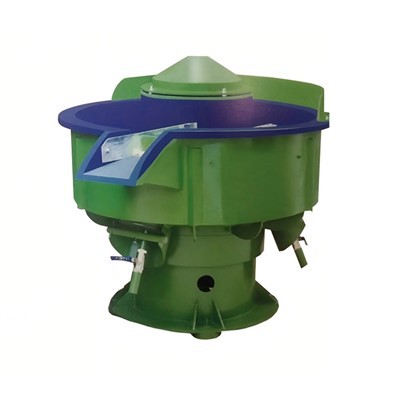
If you’re not sure which compound is right for your specific application, or if you need advice on grit size, carrier type, or compound quantity for your lapping machine, don’t hesitate to reach out. We’ve helped thousands of customers across industries—from automotive to aerospace, semiconductors to medical devices—find the right lapping solution, and we’re ready to assist with your next project.
Dewatering Drying Machine References
- Lakshminarayanan, P. S. (2012). Precision Engineering: Design and Fabrication of Microcomponents. CRC Press.
- Tönshoff, H. K., Arendt, C., & Ben Amor, R. (2000). Abrasive finishing of ceramics. CIRP Annals, 49(2), 627-645.
- Shaw, M. C. (1996). Principles of Abrasive Processing. Oxford University Press.
- Kalpakjian, S., & Schmid, S. R. (2019). Manufacturing Processes for Engineering Materials (7th ed.). Pearson.
Dongguan Xindingsheng Intelligent Grinding Technology Co., Ltd.
Dongguan Xindingsheng Intelligent Grinding Technology Co., Ltd. is one of the most reliable flat lapping compound manufacturers and suppliers in China, also supports customized service. Please feel free to wholesale bulk high quality flat lapping compound in stock here from our factory. Contact us for pricelist.
Address: Room 101, Building 1, No. 73 Dahuangmei Road, Dalingshan Town, Dongguan City, Guangdong Province, China
E-mail: cndskj@126.com
WebSite: https://www.xdsfinishing.com/
