If you’ve ever held a makeup foundation that feels silky, popped a pain reliever that doesn’t irritate your sensitive skin, or walked across a gym floor with rubberized mats that aren’t slick, you’ve probably interacted with talc—even if you didn’t realize it. For the past 12 years, I’ve been a talc supplier, working directly with manufacturers across the personal care, pharmaceutical, plastics, and construction industries, and I get asked this question all the time: what is talc, really? It’s not just the vague “powdery stuff” you might have heard about, and separating the science from the hype is part of what makes my job worthwhile every day. Talc
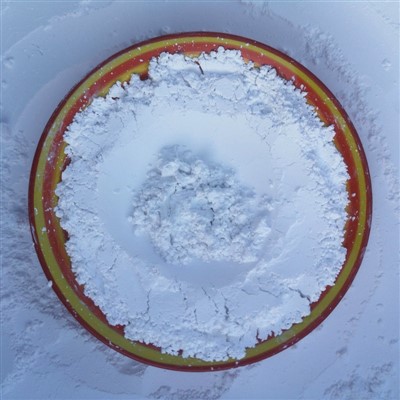
Let’s start with the geologic basics, because that’s where talc begins. Talc is a hydrous magnesium silicate mineral, part of the phyllosilicate group, which means it forms in thin, sheet-like layers that slide easily past one another. Chemically, its formula is Mg₃Si₄O₁₀(OH)₂—sounding like a mouthful, but that’s just the mix of magnesium, silicon, oxygen, and water that gives it its unique properties. It forms when other magnesium-rich rocks, like serpentinite or dolomite, get altered by low-temperature metamorphism, usually near fault lines where hot fluids circulate through the Earth’s crust. Most commercial talc deposits are found in places like the United States, Brazil, India, and China, but not all talc is the same; the color, purity, and texture depend on what other minerals got mixed in during formation, how it’s mined, and how it’s processed.
That’s a key point I learn working with mining teams across three continents: natural talc isn’t a one-size-fits-all product. Some deposits have tiny amounts of calcite, dolomite, or chlorite, while others are nearly 100% pure talc. Pure talc is white or pale green, feels so soft it has a soapy, slippery texture (in fact, it’s the softest mineral on the Mohs Hardness Scale, scoring a 1—so soft that you can scratch it with your fingernail), and has excellent oil and moisture absorption. Impure talc might have a gray, brown, or even pink hue, and its performance changes depending on those extra minerals. For example, a talc with a small amount of dolomite might work better as a filler in plastics, while ultra-pure talc is required for personal care and pharmaceutical uses, where even tiny impurities can cause issues.
Processing is where a lot of the magic happens, and where my team and I spend most of our time. Once mined, talc goes through several steps to turn raw rock into a fine, consistent powder ready for manufacturers. First, it’s crushed into small chunks, then ground into a coarse powder. Next comes beneficiation, which separates talc from any unwanted rock or mineral fragments—for high-purity grades, this might use flotation, electrostatic separation, or even hand-sorting for very pure deposits. After that, it’s milled again to get the desired particle size; some products are ground into powder with particles smaller than 10 microns, perfect for blending into foundation, while coarser talc, with particles around 50 microns, is used as a filler in plastic buckets or as a coating on roofing materials. We also do surface treatments for some grades, like coating talc particles with silanes to make them more compatible with plastic resins, so they don’t clump and improve the plastic’s strength.
Now, let’s talk about why this matters, because talc’s unique properties make it indispensable in dozens of industries. As a supplier, I see it every day: no other mineral can match its combination of softness, absorbency, chemical inertness, and lubricity. For personal care brands, talc is a staple in everything from face powders and eyeshadows to body powders and even some skincare creams. It absorbs excess oil and sweat, leaving skin feeling smooth and matte, and because it’s so soft, it doesn’t irritate delicate areas like underarms or around the eyes. I’ve worked with a small indie makeup brand that switched to our high-purity talc from a cheaper competitor, and they told me their product no longer caused breakouts in sensitive skin users—small changes like that make all the difference.
In pharmaceuticals, talc has been used for decades for its inertness, meaning it doesn’t react with other ingredients in drugs. It’s a common excipient, used as a filler to help bind tablets together, prevent them from sticking to manufacturing equipment, and improve their flowability, so pills are consistent in size and shape. I’ve also supplied talc to companies that make topical creams and ointments, where it helps them spread smoothly and stay on the skin without feeling greasy. There’s a lot of misinformation about talc in pharma, but the key is purity—grades used here have to meet strict regulatory standards, like those set by the USP (United States Pharmacopeia) or EP (European Pharmacopoeia), which limit heavy metals, asbestos, and other impurities. That’s why we test every batch we send out three times before it leaves our facility; one failed batch could shut down a whole production line, so reliability is non-negotiable.
Another big use case is in plastics and polymers. Talc added to plastic resins acts as a reinforcing filler, making finished products stiffer, more heat-resistant, and less likely to warp or shrink when molded. I worked with a manufacturer that makes plastic car interior parts—they switched to our fine-mesh talc a few years ago, and their defect rate for dashboard panels dropped by 12%, because the talc improved the plastic’s dimensional stability even in extreme temperature changes. It’s also used in packaging plastics, to make them more rigid without adding extra weight, which helps with shipping costs and sustainability goals. In fact, the global demand for talc in plastics has grown steadily over the past decade, as more manufacturers look for affordable, natural alternatives to synthetic fillers.
We can’t forget construction, either. Talc is used in paint as an extender, which improves the paint’s coverage, durability, and flow, and reduces the amount of more expensive pigments needed. It’s also a component in roofing materials, joint compounds for drywall, and even sealants, where it helps control viscosity and prevents cracking. I remember a large construction company that reached out to us a few years ago because their usual talc supplier was struggling with consistent particle size, leading to uneven paint jobs on commercial buildings. We adjusted our milling process to match their exact specs, and they’ve been a repeat customer ever since—building long-term relationships is the best part of this job, not just selling a product.
Of course, I’d be remiss if I didn’t address the conversation around talc safety, because it’s a topic that comes up in almost every inquiry I get. For decades, there have been concerns about asbestos in talc, but that’s a key distinction: asbestos is a separate mineral, and while it can sometimes be found near talc deposits in the Earth’s crust, commercial talc products are rigorously tested for asbestos, and reputable suppliers remove all traces during processing. The FDA, EPA, and other global regulatory bodies have set strict limits on asbestos in talc for personal care and pharmaceutical use, and all the grades we supply meet or exceed those standards. For personal use, the International Agency for Research on Cancer (IARC) has classified inhaled talc that’s not cosmetic-grade as a possible carcinogen, but that applies to industrial-grade talc used in mining or manufacturing settings where workers are exposed to large amounts of fine particles over time—not the cosmetic-grade talc used in makeup or body powder, where exposure is minimal and skin contact is the primary use. As a supplier, transparency is everything, which is why we provide full test reports for every batch, and work with customers to make sure they’re using the right grade for their application.
Over the years, I’ve seen the talc industry adapt a lot, responding to new regulatory rules, customer demands for sustainability, and emerging technologies. We’ve invested in more efficient mining and processing to reduce our environmental footprint, working with local communities to minimize disruption to their land and water. We’ve also expanded our product lines to include custom-grade talc, tailored to each customer’s exact specs, because one size rarely fits all. A few months ago, I worked with a new client that makes eco-friendly bioplastics, and they needed a talc that would work with their plant-based resins without compromising the plastic’s biodegradability. Our R&D team adjusted the surface treatment on our talc particles, and we landed on a grade that’s now used in their compostable cutlery—small, innovative projects like that are why I stay in this business.
At the end of the day, talc is a mineral that’s been part of human life for thousands of years, even if we didn’t always know its name. Ancient civilizations used it for pottery, cosmetics, and carving ornamental objects, long before we understood its geologic origins or its modern industrial uses. Today, it’s still a quiet workhorse across so many products we use every day, from the foundation we put on in the morning to the plastic water bottle we grab for lunch. As a talc supplier, my job isn’t just to sell a powder—it’s to provide a consistent, safe, high-quality product that helps my customers make better products, whether that’s a gentler makeup, a more durable plastic part, or a more effective medication.

If you’re a manufacturer in personal care, pharma, plastics, construction, or any industry that uses talc, I’d be happy to walk you through our product lines, share test reports, and help you find the right talc grade for your specific needs. We work with clients of all sizes, from small indie brands to large multinational corporations, and we pride ourselves on being responsive and flexible. Whether you’re looking for ultra-pure pharmaceutical-grade talc, a custom-milled filler for plastics, or a consistent extender for paints, we have the expertise to meet your requirements. Reach out to start a conversation—we can chat through your challenges, our solutions, and make sure you get the talc product that works best for your business.
Volcanic Rock References
American Geological Institute. "Talc: The Softest Mineral." Mineralogy Series.
International Agency for Research on Cancer. "Monograph on Talc." IARC Press, 2020.
United States Pharmacopeia. "Talc Monograph." USP 43-NF 38, 2020.
Plastics Hall of Fame. "Mineral Fillers in Modern Polymers." 2019.
Lingshou County LM Mineral Products Co., Ltd.
As one of the most professional talc manufacturers and suppliers in China, we’re featured by quality products and good service. Please rest assured to buy customized talc made in China here from our factory. Contact us for more details.
Address: Dongzhuang Village, Nanyanchuan Township, Lingshou County, Shijiazhuang City, Hebei Province
E-mail: lmwtwz@163.com
WebSite: https://www.lmwtz.com/
