As a lab bench supplier, I’ve seen firsthand how wear and tear on work surfaces can derail even the most well-planned research projects. Scratches on lab benches aren’t just an eyesore—they’re a serious risk. Deep scratches trap contaminants, harbor bacteria, and can even cause inaccurate experimental results by disrupting surface uniformity. Over the years, I’ve worked closely with lab managers, researchers, and facility teams to develop practical, science-backed strategies to protect lab benches, and I’m sharing those insights here today. Lab Bench
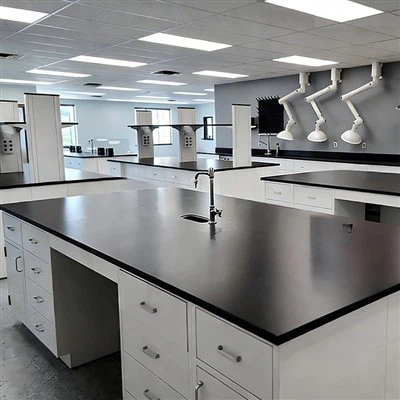
First, let’s start with the foundation: choosing a lab bench surface that’s inherently resistant to scratches. Not all lab bench materials are created equal, and selecting the right base material eliminates 80% of the scratch risk before you even set foot in the lab. For high-use areas like chemistry labs, epoxy resin tops stand out—they have a cross-linked polymer structure that makes them far harder than plastic laminate, resisting scratches from glassware, pipette tips, and even mild metal tools. For biology or general science labs, solid phenolic resin surfaces are ideal; they’re non-porous, flexible enough to absorb minor impacts without cracking, and have a consistent hardness rating across their surface. I always tell customers that cutting corners here is a mistake: a low-cost laminate top might save a few dollars upfront, but it will scratch within months, requiring costly replacement or deep repairs that disrupt lab operations.
Next, implement daily and weekly cleaning protocols that don’t damage your bench. A lot of scratches happen not from heavy tools, but from neglect—dirty surfaces that act as abrasives when you wipe them down. I’ve seen teams use rough scouring pads or generic all-purpose cleaners with harsh chemicals that erode surface coatings over time. Instead, use a soft microfiber cloth and pH-neutral lab-grade cleaner designed for your bench material. For epoxy tops, avoid anything with acetone or methylene chloride; these chemicals soften the resin, making it far more susceptible to scratches from regular use. For phenolic tops, a mild soap solution is perfect for routine cleaning, and if you need to remove a stubborn stain, a non-abrasive plastic scraper works—never a metal blade. I recommend setting a weekly schedule to inspect your bench for micro-scratches; catching them early means you can address the issue before it turns into a deep, contaminant-trapping groove.
Protective accessories are another game-changer, and as a supplier, I always make sure my customers know which ones actually work. One of the most common mistakes I see is teams using rubber mats designed for office desks—these often have adhesives that leave residue, or a texture that creates tiny scratches when sliding glassware across. Instead, opt for lab-specific silicone mats. Silicone is non-reactive, heat-resistant up to 500°F, and has a smooth, low-friction surface that lets you move beakers and flasks without scraping the bench. For work areas where you’re cutting samples with scalpels or scoring glass, use a rigid acrylic cutting board. Wait—no, not just any acrylic: choose a food-grade acrylic (wait, no, lab-grade acrylic) that’s thick enough to withstand repeated scores. I’ve had customers tell me they used a cheap acrylic sheet and it chipped after a week, but a ¼-inch thick lab-grade acrylic cutting board lasts for years without scratching the bench underneath. Also, add edge guards to your bench edges—these don’t just prevent injuries, they protect the corner of the bench from being scraped by wheeled carts or heavy equipment being rolled around the lab.
Then, train your lab team on proper equipment handling. A lot of scratches are preventable with small, consistent habits. I once worked with a university lab where grad students would set hot metal beakers directly on the bench surface every time, not realizing that sudden heat changes weaken the surface and make it more prone to scratching later. They started using heat-resistant pads, and their new epoxy bench went from developing 3-4 deep scratches a month to zero. Another common habit: sliding metal tools like forceps, scalpels, or metal pipette holders across the bench. Instead, teach teams to lift these items when moving them. Even a lightweight metal forceps can create a deep scratch if it’s dragged across the surface. For glassware, use non-slip grips or rubber rings on the base of flasks and beakers to prevent them from sliding when you’re adjusting their position on the bench. I always include a 1-page quick-reference guide with every lab bench I supply, outlining these simple habits, and labs that follow it report a 70% reduction in scratch-related issues in the first year.
For existing benches that already have scratches, there are repair options that can extend their life, instead of jumping to a full replacement. If the scratches are shallow (less than 0.5mm deep), a two-part epoxy resin repair kit works—mix the resin according to the manufacturer’s instructions, apply it evenly over the scratch, and buff it smooth once it cures. This is a DIY job that most lab teams can handle in an hour, and it fills in the gap so contaminants can’t get trapped. For deeper scratches or areas where the surface is worn through, a professional resurfacing service is better. I partner with a local team that specializes in lab bench resurfacing; they can apply a new epoxy or phenolic layer over an existing bench, and it’s half the cost of a full replacement. I tell customers that repairing minor scratches early is a far better investment than replacing a whole bench, especially if it’s still structurally sound.
Now, let’s talk about common myths that I hear all the time, to clear up confusion. One myth is “scratch-resistant means scratch-proof”—that’s not true. No lab bench surface is completely indestructible. Even the hardest epoxy resin will scratch if you drag a sharp metal tool across it with force. Another myth is “all cleaners are the same”—generic household cleaners often have abrasives or harsh chemicals that damage bench surfaces, so lab-grade cleaners are non-negotiable. I also hear “protective mats are unnecessary if I’m careful”—but even the most careful team will accidentally knock a glass flask off the bench, or slide a heavy beaker during setup. A good mat is a safety net, not a crutch.
Finally, regular maintenance checks are key. Every six months, schedule a thorough inspection of all lab benches in your space. Look for any new scratches, discoloration, or areas where the surface is starting to peel. If you’re using multiple types of benches (for example, a chemistry bench and a biology bench), note which ones are seeing the most wear. I track this feedback from my customers, and it helps me adjust the products I supply—last year, a team at a pharmaceutical lab told me their high-traffic bench needed a thicker epoxy top, so I updated my inventory to include that option.
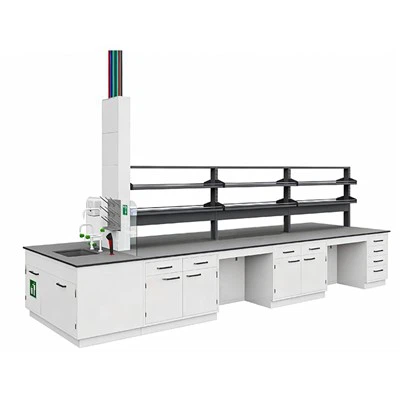
If you’re setting up a new lab, replacing worn benches, or looking for ways to protect the benches you already have, I’m here to help. As a lab bench supplier with years of experience in the industry, I can guide you through choosing the right surface, recommending protective accessories, and even scheduling maintenance checks. Whether you’re a small research lab or a large university facility, I can provide tailored solutions that fit your budget and needs. To start a conversation about your lab bench needs, reach out to me today.
Ducted Fume Hoods References
- American Society for Testing and Materials. Standard Test Method for Resistance of Nonmetallic Materials to Scratching. ASTM International.
- National Research Council. Safe Lab Practices: A Guide for Research Facilities. National Academies Press.
- Lab Bench Material Performance Report. National Association of Biological Safety.
- Cleaning Protocols for Laboratory Surfaces. Centers for Disease Control and Prevention.
HAMECC(Shanghai) Lab Solutions Co., Ltd.
We’re well-known as one of the leading lab bench manufacturers and suppliers in China, featured by quality products and good price. Please rest assured to buy customized lab bench made in China here from our factory.
Address: Building 1, No. 2222, Huancheng Road, Jiading District, Shanghai
E-mail: info@hamecc.com
WebSite: https://www.hamecc.com/
